
Will new windows stop condensation and mould?
New windows are often bought to cure condensation and mould, and they can reduce condensation on the glass by giving it a warmer surface. But they do not remove the moisture from the home — and by sealing up draughts they can push condensation onto the next-coldest surface, sometimes making wall mould worse. Whether new windows help depends entirely on whether ventilation is addressed too.
 Reviewed by George Sora, Certified Passive House DesignerUpdated June 2026
Quick answer & key takeaways
6 min read- New windows give the glass a warmer surface, so condensation on the glass usually reduces.
- They do not remove household moisture, which can then condense elsewhere.
- Sealing up draughty old windows without ventilation can worsen wall and reveal condensation and mould.
- Condensation and mould are a moisture-and-ventilation problem, not only a glazing one.
- Biggest misconception: new windows cure condensation. Without ventilation they can relocate it.
- Retrofit IQ's approach: address glazing and ventilation together, guided by measurement.
What this usually means
Condensation forms where humid indoor air meets a surface below its dew point. On old single glazing the glass is the coldest surface, so it condenses there first — which is why people blame the windows. New, warmer glazing raises the glass temperature, so condensation on the glass itself usually decreases. To that extent, new windows do help.
But the moisture in the air has not gone anywhere. If the home is under-ventilated, that moisture remains and simply condenses on the next-coldest surface instead — typically the window reveals, the wall behind furniture, or cold corners. Worse, the old draughty windows were providing accidental ventilation; sealing them up removes that, so indoor humidity can actually rise, and wall mould can appear or worsen even as the glass stays clear.
So the honest answer is that new windows can reduce condensation on the glass but will not, on their own, cure a condensation-and-mould problem driven by too much moisture and too little ventilation. The reliable fix combines warmer surfaces with controlled ventilation — and that is best decided by measuring the home's humidity and ventilation, not by assuming the windows are the cure.
Common causes
Moisture not removed
New windows warm the glass but do not remove household moisture, which can condense elsewhere.
Loss of accidental ventilation
Sealing up draughty old windows removes ventilation, raising humidity unless it is replaced.
Cold surfaces remaining
Cold reveals, walls and corners stay below the dew point, so condensation migrates to them.
No trickle vents
New windows fitted without trickle vents leave the home with no background ventilation.
Underlying ventilation shortfall
If the home was under-ventilated, new windows alone do not address the root cause.
Signs and symptoms
Glass clear but walls now damp
Condensation moving from the glass to the walls or reveals after new windows shows the moisture was relocated, not removed.
Mould appearing after window replacement
New or worsening wall mould following new windows points to lost ventilation and rising humidity.
Condensation on the reveals
Damp on the reveals rather than the glass indicates cold reveals and a ventilation shortfall.
Stuffier rooms after sealing up
A stuffier feel after new windows confirms ventilation was reduced.
Persistent high humidity
Humidity that stays high regardless of the glazing shows a ventilation rather than a window problem.
What most people check first
- Whether condensation is on the glass or has moved to reveals and walls.
- Whether new or replacement windows include trickle vents.
- Whether the home feels stuffier since the windows were sealed up.
- Whether indoor humidity is high regardless of the glazing.
What most people miss
- That new windows relocate rather than remove moisture without ventilation.
- That sealing up draughty windows can worsen wall mould.
- That condensation and mould are a moisture-and-ventilation problem.
- That glazing and ventilation must be planned together.
The building physics
Condensation is governed by the relationship between indoor humidity and surface temperatures. New glazing raises the coldest surface (the glass) above the dew point more of the time, so the glass condenses less. But the indoor humidity — set by moisture production and ventilation — is unchanged, so the dew point is unchanged; any surface still below it will condense. With the glass warmer, that surface is now the reveal, the wall behind furniture, or a cold corner.
Ventilation is the lever that actually removes moisture. Old, leaky windows ventilated accidentally, keeping humidity (and the dew point) lower than it would otherwise be. Replacing them with sealed units removes that accidental ventilation; unless trickle vents or mechanical ventilation are provided, humidity rises and condensation risk increases overall — even though the glass is warmer. This is the mechanism behind the common complaint of mould appearing after new windows.
The durable solution treats both halves of the dew-point balance: warmer surfaces (better glazing and insulated reveals) and lower humidity (controlled ventilation). Measuring the home's humidity and ventilation alongside the glazing shows whether windows will help, and ensures any window work is paired with the ventilation needed to remove the moisture rather than relocate it.
How to actually stop condensation and mould
Pair warmer surfaces with controlled ventilation. New windows can be part of the answer, but only alongside removing the moisture.
- 01
Measure humidity and ventilation
Log humidity and assess ventilation to confirm whether the problem is moisture-and-ventilation rather than glazing.
- 02
Provide controlled ventilation
Ensure trickle vents, continuous extract or MVHR remove household moisture so the dew point stays low.
- 03
Warm the cold surfaces
Improve glazing where it is genuinely cold, and insulate cold reveals so condensation has nowhere to form.
- 04
Fit trickle vents with new windows
If replacing windows, include trickle vents so you do not remove ventilation along with the draughts.
- 05
Address moisture sources
Reduce indoor drying and use extract while cooking and bathing.
- 06
Verify
Re-measure humidity and check that condensation and mould have gone, not just moved.
How to prevent it coming back
- Always provide ventilation when fitting sealed new windows.
- Keep indoor humidity down with extract and good background ventilation.
- Insulate cold reveals so condensation does not migrate there.
- Treat condensation and mould as a moisture-and-ventilation issue, not just glazing.
How Retrofit IQ investigates this
We measure humidity, ventilation and surface temperatures so window decisions actually reduce condensation rather than move it.
Do not spend money fixing symptoms before you understand the cause — investigate first, then build with confidence.
Do I need a professional investigation?
It is worth measuring before buying new windows to cure condensation or mould, because without addressing ventilation they may relocate the problem or make it worse. A short assessment of humidity, ventilation and surfaces shows whether windows will help and what else is needed.
Where to go next
Relevant services
Related comparisons
From the Academy
- Mould after new windows — why upgrading glazing can backfire.
- Surface condensation and mould — the mechanism, and the real fix.
- High-performance windows — U-values, glazing and comfort.
- Ventilation and mould prevention — the humidity connection.
- Dew point explained — the temperature where condensation begins.
Related case studies
Evidence from Real Projects (12)
Real project and investigation images from our own fieldwork, matched to this page — not stock photography.
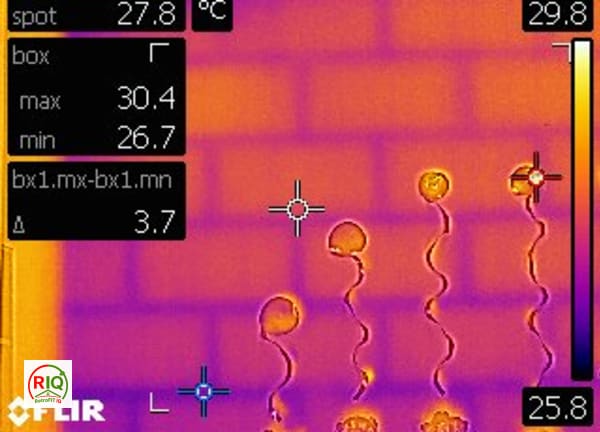
Thermal Bridging Visible Through Masonry Blockwork Wall

Sample Building Performance Investigation Report — Thermal Imaging

Thermal Bridge at Internal Corner Wall Junction

Thermal Bridge at Wall-Ceiling Junction Near Window

Airtightness Testing in a Stratford Victorian Terrace

Completed brick cladding system on a contemporary new-build
No related investigations yet.
Browse all investigationsFrequently asked questions
Will new windows stop condensation and mould?+
They can reduce condensation on the glass by warming its surface, but they do not remove household moisture. Without ventilation, the moisture condenses elsewhere — on reveals and walls — and mould can even worsen.
Why did I get mould after new windows?+
Because the new, sealed windows removed the accidental ventilation the old draughty ones provided. Indoor humidity rose, and condensation and mould appeared on the next-coldest surfaces such as walls and corners.
Do new windows need trickle vents?+
Yes, in most cases — trickle vents replace the background ventilation lost when draughty old windows are sealed up, helping keep humidity and condensation down.
Does double glazing stop condensation?+
It reduces condensation on the glass by keeping its surface warmer, but it does not remove moisture. If the home is under-ventilated, condensation can still form on cold reveals and walls.
Is my condensation a window problem or a ventilation problem?+
Usually a moisture-and-ventilation problem that the cold glass merely reveals. Measuring humidity and ventilation shows whether glazing will help or whether ventilation is the real fix.
What actually stops condensation and mould?+
Warming the cold surfaces and removing the moisture with controlled ventilation, together. New windows can help with the surfaces, but ventilation removes the moisture.
How do you decide if new windows will help?+
We log humidity, assess ventilation and map cold surfaces, then recommend glazing and ventilation together so condensation is reduced rather than relocated.
Stop guessing — find the real cause
Do not spend money fixing symptoms before you understand the cause. Every home behaves differently, and the only reliable way to know what is happening in yours is professional building performance diagnostics. At RetrofitIQ we verify buildings using the right combination of investigations:
- Thermal imaging
- Blower door testing
- Moisture & dew point readings
- Ventilation review
- Building physics assessment
- Passive House methodology