
The symptoms
- New double or triple glazing, then mould appears on walls, corners and reveals
- Less condensation on the glass, but more on cold walls
- A stuffier, more humid feeling indoors
- Old draughty windows that 'never had this problem'
The building physics: you removed the accidental ventilation
Old windows leaked air constantly — around the frames, through worn seals, via sash boxes. That accidental ventilation was wasteful, but it quietly removed moisture and kept indoor humidity down. New, well-sealed windows stop that leakage. Unless ventilation is deliberately replaced — trickle vents, continuous extract or MVHR — the moisture from cooking, washing, drying and breathing now stays in the home. Humidity rises, and it condenses on the next-coldest surfaces: the walls, corners and reveals, where mould grows.
There is a second effect. With warmer glass, the windows no longer condense — so the moisture that used to appear harmlessly on the glass (where you wiped it away) now condenses invisibly on cold walls instead. The total moisture has not changed; it has just moved to where it does more harm.
The likely causes
- Loss of accidental ventilation when leaky windows were replaced
- No replacement ventilation strategy (trickle vents disabled or absent)
- Cold walls and reveals now becoming the coldest surfaces
- Existing high indoor moisture load (cooking, washing, drying, breathing)
Why this is not a reason to keep old windows
New windows are a genuine improvement — warmer, quieter, more secure and more efficient. The problem is not the windows; it is that ventilation was not upgraded alongside them. The right response is to add the controlled ventilation the old draughts used to provide, so you keep all the benefits of the new windows without the condensation. This is exactly the kind of joined-up thinking a building-performance approach brings.
Common mistakes homeowners make
- Taping up or refusing to open trickle vents on the new windows
- Blaming the windows rather than the missing ventilation
- Bleaching the new mould without controlling humidity
How RetrofitIQ resolves post-glazing mould
- Humidity logging to confirm indoor moisture has risen since the windows changed
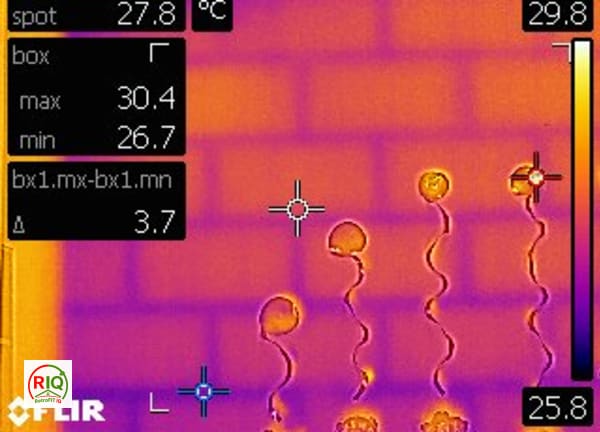
- Thermal imaging and surface-temperature readings to find the new cold spots
- A ventilation assessment to size continuous extract or MVHR
- A combined plan: controlled ventilation plus, where needed, warmer surfaces
- Verification that humidity is back in the healthy 40–60% band