
Will new windows make my house warmer?
New windows will usually make a home feel a little warmer — modern glazing has a colder-resistant inner surface and is less draughty — but they are rarely the biggest source of heat loss, so they often deliver less than homeowners expect for the cost. Most homes lose far more heat through their walls, roof and air leakage than through their windows, which are a relatively small area of the total envelope. Replacing the windows while leaving the dominant losses untouched changes little, and can disappoint. Whether new windows are worth it for warmth depends on how much heat your windows actually lose compared with everything else — which is worth measuring before committing to an expensive replacement.
 Reviewed by George Sora, Certified Passive House DesignerUpdated June 2026
Quick answer & key takeaways
8 min read- New windows help, but windows are usually a small part of total heat loss.
- Walls, roof and air leakage typically lose far more heat than windows.
- Replacing windows alone often delivers less warmth than expected.
- Draught-proofing and upgrading can give much of the benefit for less.
- Biggest misconception: new windows transform a cold house. They are rarely the biggest lever.
- Retrofit IQ's approach: measure where the heat goes before spending on windows.
What this usually means
New windows do bring real benefits: modern double or triple glazing has a warmer inner surface than old single glazing, so it feels less cold to sit near and is less prone to condensation, and a new, well-fitted window leaks less air than a worn one. These improvements add comfort. But the question 'will they make my house warmer?' is really about heat loss, and here the windows are usually a modest player. Windows typically make up a relatively small fraction of a home's external surface area, so even though glass loses more heat per square metre than an insulated wall, the total heat lost through the windows is often much less than that lost through the larger areas of wall and roof, and through air leakage.
This is why window replacement so often disappoints as a warmth measure. A homeowner spends a large sum on new windows expecting a transformation, but if most of the home's heat was leaving through uninsulated walls, a poorly insulated roof and draughts around floors, doors and junctions, replacing the windows reduces only a small slice of the total loss — and the house still feels cold. The new windows were not faulty; they simply were not where most of the heat was going. The marketing of replacement windows tends to overstate their thermal impact, which sets up the disappointment.
So whether new windows are worth it for warmth depends entirely on how much your windows actually contribute to the heat loss, relative to the walls, roof and air leakage — and that is measurable. If the windows are a genuinely large, leaky, single-glazed proportion of the envelope, replacing them can make a real difference; more often, draught-proofing and upgrading the existing windows captures much of the comfort benefit for far less, and the budget is better spent first on insulating the walls or roof and sealing the leakage that dominate the loss. An assessment that measures where the heat goes shows whether windows are a priority or a minor part of the picture, so the spend delivers the warmth it should rather than replacing the wrong element.
Common causes
Windows are a small area
Windows are usually a modest fraction of the envelope, so their total heat loss is limited.
Walls and roof lose more
The larger wall and roof areas typically lose far more heat than the windows.
Air leakage dominates
Draughts through floors, doors and junctions often lose more than the glazing.
Overstated window marketing
Replacement windows are often promoted as a bigger thermal fix than they are.
Existing windows upgradeable
Draught-proofing and upgrading old windows can give much of the benefit for less.
Signs and symptoms
Cold despite recent new windows
Little warmth gain after replacing windows shows they were not the main loss.
Cold walls and roof
Cold large surfaces indicate the dominant heat loss is the fabric, not the windows.
Persistent draughts
Air leakage that remains after new windows points to other leakage paths.
Single-glazed, leaky windows
Where windows are a large, leaky single-glazed area, replacing them may help more.
High bills unchanged
Bills barely moving after new windows confirms the loss was elsewhere.
What most people check first
- How much heat the windows lose relative to the walls, roof and air leakage.
- Whether the walls and roof are the dominant, unaddressed losses.
- Whether draught-proofing and upgrading the windows would suffice.
- Whether the windows are a large, leaky proportion of the envelope.
What most people miss
- That windows are usually a small part of total heat loss.
- That walls, roof and air leakage typically dominate.
- That upgrading old windows can capture much of the benefit.
- That measuring the losses first prevents an over-spend.
The building physics
A home's fabric heat loss is the sum over each element of area times U-value times temperature difference, so the contribution of the windows depends on both their poorer U-value and their limited area. Glazing has a higher U-value than an insulated wall, but windows usually occupy a relatively small share of the total external surface, so their absolute heat loss is frequently exceeded by that of the much larger wall and roof areas, even at those elements' lower U-values. Add the ventilation and infiltration loss — which in a draughty home can be a major term and is unrelated to the windows' thermal performance — and the windows commonly account for a minority of the total, which is why replacing them moves the total modestly.
The comfort benefits of new windows are real but partly distinct from the heat-loss reduction. A warmer inner glazing surface raises the local radiant temperature and reduces the cold downdraught and condensation at the window, improving perceived comfort near it; and a new, well-sealed window reduces the air leakage at that opening. These can be delivered substantially by draught-proofing and upgrading existing windows — for instance with slim double or secondary glazing — at a fraction of replacement cost, capturing most of the local comfort gain without the expenditure of full replacement, and without discarding sound, durable joinery.
Prioritising spend therefore requires apportioning the heat loss across the elements, which is a measurement task. A heat-loss assessment quantifies each element's contribution and the infiltration; thermal imaging shows where the fabric is cold; and a blower door test measures the leakage. Where the windows are a large, leaky, single-glazed proportion of the envelope, replacement can yield a meaningful reduction; far more often, the assessment shows the walls, roof and air leakage dominate, so insulating and sealing those first delivers far more warmth per pound, with the windows draught-proofed or upgraded rather than replaced. Measuring before committing is what ensures new windows are bought when they are genuinely a priority, rather than as an over-marketed default that leaves the dominant losses open.
How to decide whether new windows will warm your home
Measure where the heat actually goes first — if the windows are a large, leaky part of the loss, replacing them helps; otherwise insulate the walls and roof, seal the leakage, and upgrade the windows for less.
- 01
Measure the heat loss
Quantify how much the windows lose relative to the walls, roof and air leakage.
- 02
Identify the dominant losses
Establish whether the walls, roof or leakage are the bigger, unaddressed losses.
- 03
Upgrade rather than replace where possible
Draught-proof and add slim or secondary glazing to capture comfort for less.
- 04
Insulate and seal first
Where they dominate, insulate the walls and roof and seal the leakage before windows.
- 05
Replace where windows dominate
Where the windows are a large, leaky single-glazed area, replacement can be worthwhile.
- 06
Verify the gain
Confirm the chosen measures reduce the loss and warm the home as intended.
How to prevent it coming back
- Measure the loss before spending on windows.
- Prioritise the walls, roof and air leakage where they dominate.
- Upgrade old windows rather than replacing where it suffices.
- Treat window marketing's warmth claims with caution.
How Retrofit IQ investigates this
We measure where your home loses heat so window spend is judged against the walls, roof and air leakage.
Do not spend money fixing symptoms before you understand the cause — investigate first, then build with confidence.
Do I need a professional investigation?
Before spending on replacement windows for warmth, it is worth measuring how much the windows actually lose compared with the walls, roof and air leakage. A heat-loss assessment, thermal imaging and a blower door test show whether windows are a priority or a minor part of the picture — so the budget goes to the elements that deliver the warmth rather than to an over-marketed replacement.
Where to go next
Relevant services
Related comparisons
From the Academy
Related case studies
Evidence from Real Projects (17)
Real project and investigation images from our own fieldwork, matched to this page — not stock photography.
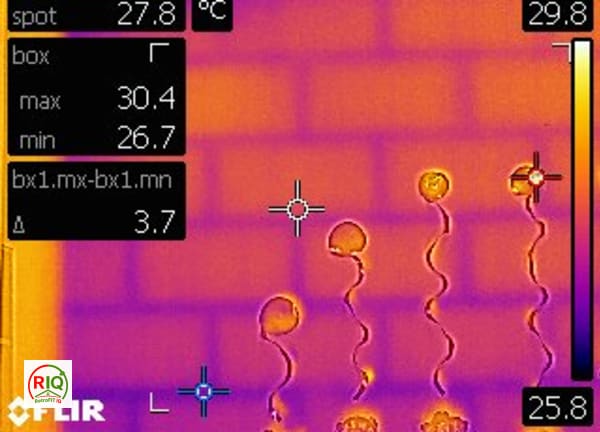
Thermal Bridging Visible Through Masonry Blockwork Wall

Sample Building Performance Investigation Report — Thermal Imaging
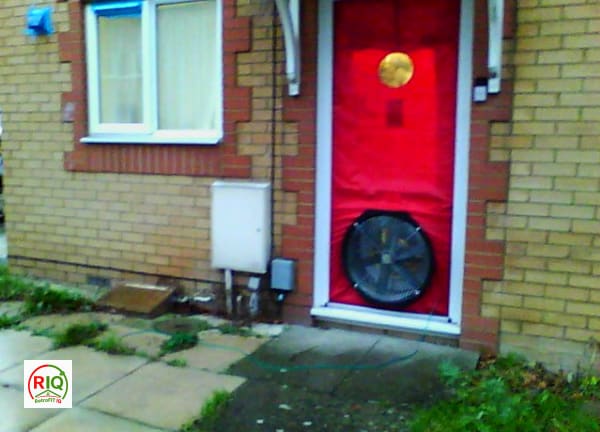
Blower Door Airtightness Test Setup

Thermal Bridge at Wall-Ceiling Junction Near Window

Thermal Bridge at Internal Corner Wall Junction

Ceiling / external-wall junction
No related investigations yet.
Browse all investigationsFrequently asked questions
Will new windows make my house warmer?+
A little — modern glazing has a warmer inner surface and is less draughty, which adds comfort. But windows are usually a small part of a home's total heat loss, so replacing them rarely transforms a cold house. Most homes lose far more through the walls, roof and air leakage, so it is worth measuring where the heat actually goes before committing to expensive new windows.
Why didn't my new windows warm the house?+
Most likely because the windows were not where most of the heat was going. If the walls, roof and draughts dominate the loss, replacing the windows reduces only a small slice of it, and the house still feels cold. The windows were not faulty — they just weren't the main lever.
Aren't windows the worst for heat loss?+
Per square metre, glass does lose more than an insulated wall — but windows are usually a much smaller area than the walls and roof, so their total heat loss is often less. Combined with air leakage, the larger fabric areas typically dominate the overall loss.
Is it better to insulate or replace windows?+
Usually to insulate and seal first, where the walls, roof and air leakage dominate — that delivers far more warmth per pound. New windows become worthwhile where they are a large, leaky, single-glazed proportion of the envelope. A heat-loss assessment shows which applies to your home.
Can I improve my old windows instead?+
Often, yes. Draught-proofing and adding slim double or secondary glazing captures much of the comfort benefit — a warmer surface and less draught — for a fraction of replacement cost, while keeping durable existing joinery. It is frequently the better-value step.
How do you decide if windows are worth it?+
We measure how much the windows lose relative to the walls, roof and air leakage with a heat-loss assessment, thermal imaging and a blower door test — so window spend is judged against the dominant losses, and you replace them only when they are genuinely a priority.
Stop guessing — find the real cause
Do not spend money fixing symptoms before you understand the cause. Every home behaves differently, and the only reliable way to know what is happening in yours is professional building performance diagnostics. At RetrofitIQ we verify buildings using the right combination of investigations:
- Thermal imaging
- Blower door testing
- Moisture & dew point readings
- Ventilation review
- Building physics assessment
- Passive House methodology