
Why are my energy bills so high?
If your heating bills feel disproportionate to the comfort you get, the building is almost certainly losing heat faster than it should. The cheapest unit of energy is the one you never have to buy — so the fix starts with measuring where it escapes.
 Reviewed by George Sora, Certified Passive House DesignerUpdated June 2026
Quick answer & key takeaways
5 min read- High heating bills are usually a symptom of high heat loss, not high tariffs alone.
- Most of the loss is through uninsulated walls, roofs and floors plus uncontrolled air leakage.
- You can't fix what you haven't measured — guessing at upgrades wastes money.
- Reducing heat loss cuts bills permanently; turning the heating down only trades comfort for savings.
- Biggest misconception: switching supplier or boiler is the main lever. The fabric loss dominates.
- Retrofit IQ's approach: quantify heat loss with thermal imaging and a blower door, then prioritise by payback.
What this usually means
Your bill is, in effect, paying to replace heat that escapes. The faster a home loses heat, the more energy you must buy to stay comfortable. So a high bill in a cold or draughty home is a direct readout of excessive heat loss — fabric losses through walls, roof and floor, plus ventilation and infiltration losses as warm air leaks away.
That means the largest, most permanent savings come from reducing the loss, not from chasing tariffs or running the heating less. But because every home loses heat differently, the only way to spend efficiently is to measure where your particular building leaks before committing to works.
Common causes
Uninsulated walls
Solid or unfilled-cavity walls are often the single biggest loss, with U-values several times higher than an insulated wall.
Air leakage
Uncontrolled draughts through floors, lofts, chimneys and penetrations carry paid-for heat straight out, and can rival the fabric loss.
Roof and floor losses
Thin or missing loft insulation and cold suspended floors add substantial, often-overlooked losses.
Inefficient or oversized heating
A poorly controlled or oversized system, or one run at high flow temperatures, wastes energy on top of the fabric loss.
Cold surfaces forcing higher thermostat settings
Cold walls make rooms feel colder, so occupants set the thermostat higher than they would in a warm-surfaced home — raising the bill.
Signs and symptoms
Bills high relative to comfort
You spend heavily on heating yet the home is still cold or only just comfortable.
Home cold or draughty despite heavy use
Running the heating hard does not deliver warmth, because the heat escapes as fast as it is made.
Heating running long hours
The system rarely switches off, a direct symptom of high heat loss.
Cold walls prompting higher settings
Cold surfaces make rooms feel chilly, so the thermostat is set higher than it would otherwise need to be.
What most people check first
- Recent bills versus comfort — high cost with poor comfort points to fabric loss.
- Loft insulation depth and whether walls are insulated.
- Obvious draughts and single glazing.
- Heating controls and flow temperature settings.
What most people miss
- Air leakage, which is invisible and only quantified by a blower door test.
- That the order and combination of measures determines the real saving and the moisture safety.
- Thermal bridges that quietly inflate the loss beyond what U-values suggest.
- That measuring first avoids spending on the wrong upgrade.
The building physics
Annual heating energy is broadly the heat loss rate integrated over the heating season. The loss rate is the fabric loss (sum of area × U-value) plus the ventilation and infiltration loss (air changes carrying heat out), multiplied by the indoor-to-outdoor temperature difference. Reduce any of those terms and the energy needed — and the bill — falls proportionally.
Crucially, comfort interacts with the bill. Because operative temperature depends on surface temperatures, a home with cold walls needs warmer air to feel comfortable, so occupants run the thermostat higher. Insulating raises surface temperatures and lets the same comfort be achieved at a lower setting, compounding the saving.
This is why a measured, fabric-first approach beats blanket upgrades. Knowing which losses dominate your home lets you spend where the payback is greatest, rather than on whatever measure is most marketed.
How to fix it — the right way
High bills are cut permanently by reducing heat loss — measured and sequenced by payback, not by chasing tariffs or simply heating less.
- 01
Measure the losses
Thermal imaging, a blower door test and a heat-loss calculation rank where your home loses heat and money.
- 02
Insulate the biggest losing elements first
Target the loft, walls and floor in the order the measurements show will save most.
- 03
Seal air leakage
Close the draughts and penetrations that carry paid-for heat straight out — often a large hidden cost.
- 04
Optimise the heating once the fabric improves
Lower flow temperatures and better controls then deliver the same comfort for less energy.
- 05
Sequence the works moisture-safely
Combine measures in an order that protects the building's moisture behaviour and pairs sealing with ventilation.
How to prevent it coming back
- Keep insulation continuous and undisturbed after any work.
- Re-test airtightness after building works.
- Service and optimise the heating controls and flow temperature.
- Maintain seals and keep ventilation balanced.
How Retrofit IQ investigates this
We turn a vague 'bills are too high' into a costed, prioritised plan by measuring where the heat — and the money — is going.
Do not spend money fixing symptoms before you understand the cause — investigate first, then build with confidence.
Do I need a professional investigation?
If bills are high and comfort is poor, a heat-loss assessment with thermal imaging and a blower door will rank the losses so you spend where the payback is greatest, rather than on whatever measure is most marketed.
It is essential before a heat pump, which only runs economically once the fabric loss has been reduced.
Where to go next
Relevant services
Related comparisons
From the Academy
Evidence from Real Projects (21)
Real project and investigation images from our own fieldwork, matched to this page — not stock photography.
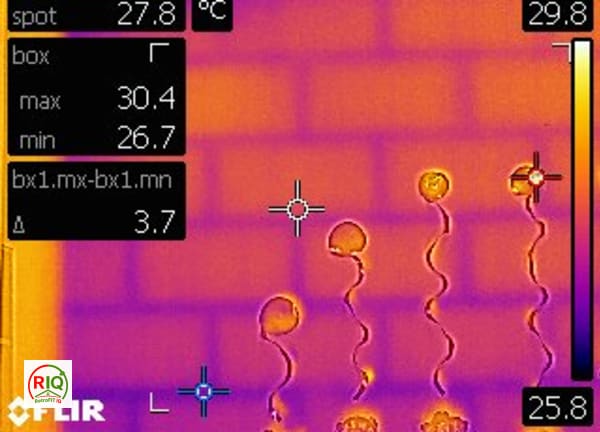
Thermal Bridging Visible Through Masonry Blockwork Wall

Sample Building Performance Investigation Report — Thermal Imaging
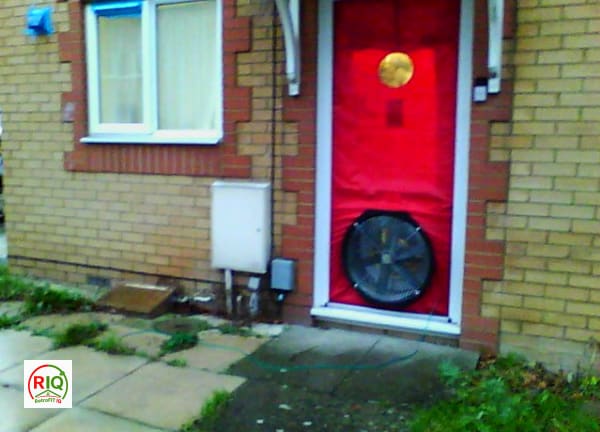
Blower Door Airtightness Test Setup

Thermal Bridge at Wall-Ceiling Junction Near Window

Thermal Bridge at Internal Corner Wall Junction

Ceiling / external-wall junction
No related investigations yet.
Browse all investigationsFrequently asked questions
Why are my energy bills so high if my boiler is efficient?+
Because the building loses heat fast. An efficient boiler still has to replace all the heat escaping through uninsulated fabric and air leakage.
What's the cheapest way to cut my heating bills?+
Reduce heat loss — insulation and airtightness, prioritised by a survey. The cheapest energy is the heat you never lose.
Will switching energy supplier make a big difference?+
Tariff changes are marginal compared with the loss in a leaky, uninsulated home. The fabric is the dominant lever.
How do I know which upgrade saves the most?+
A heat-loss assessment with thermal imaging and a blower door ranks the losses, so you spend where the payback is greatest.
Does air leakage really cost much?+
Yes — in draughty homes infiltration can rival the fabric loss, and it's invisible until measured with a blower door.
Will a heat pump lower my bills?+
Only if the fabric loss is addressed first, so the pump can run efficiently at a low flow temperature. Otherwise running costs stay high.
Is it worth measuring before doing works?+
Almost always. Measuring first prevents spending on the wrong upgrade and ensures the work is moisture-safe.
Stop guessing — find the real cause
Do not spend money fixing symptoms before you understand the cause. Every home behaves differently, and the only reliable way to know what is happening in yours is professional building performance diagnostics. At RetrofitIQ we verify buildings using the right combination of investigations:
- Thermal imaging
- Blower door testing
- Moisture & dew point readings
- Ventilation review
- Building physics assessment
- Passive House methodology