
What 'fabric first' means
Fabric first means treating the building envelope — insulation, airtightness, thermal bridges and ventilation — before sizing and installing the heating. By cutting the heat demand first, you can run a heat pump at a low flow temperature with smaller, cheaper plant, while improving comfort and cutting bills whatever heating you use. It reverses the usual order, in which the heating is chosen first and the building is left as it is.
The fabric-first sequence
- Insulate the elements losing the most heat — usually the roof first, then floors and walls
- Air-seal to remove uncontrolled leakage, then add controlled ventilation
- Reduce thermal bridges that cause cold spots and condensation
- Right-size the emitters for low-temperature heat
- Only then size and install the heat pump to the reduced demand
Why the order matters so much
If you install the heat pump first and improve the fabric later, you will likely oversize the unit for a demand you are about to reduce — and run it inefficiently in the meantime. Doing the fabric first lets you size the system correctly once, choose a smaller and cheaper unit, and lock in a low flow temperature and a high SCOP from day one. The sequence is not a detail; it determines the economics of the whole project.
Comfort and health, not just carbon
Fabric-first works deliver benefits a heat pump alone cannot: warmer wall and floor surfaces, no cold draughts, stable temperatures, lower condensation and mould risk, and better air quality through controlled ventilation. These comfort and health gains arrive immediately, regardless of when the heat pump is fitted — which is why fabric-first is worthwhile even if a heat pump is years away.
How RetrofitIQ delivers a fabric-first heat-pump retrofit
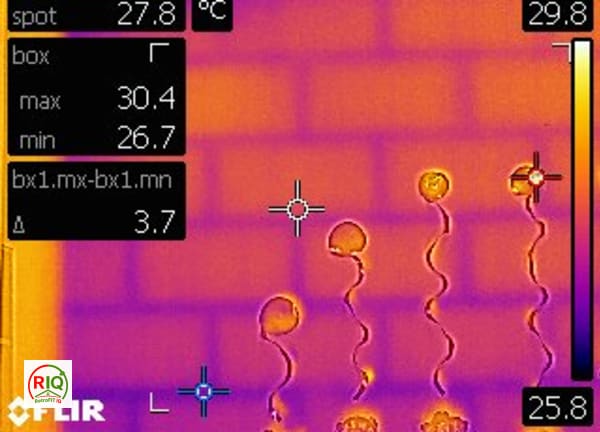
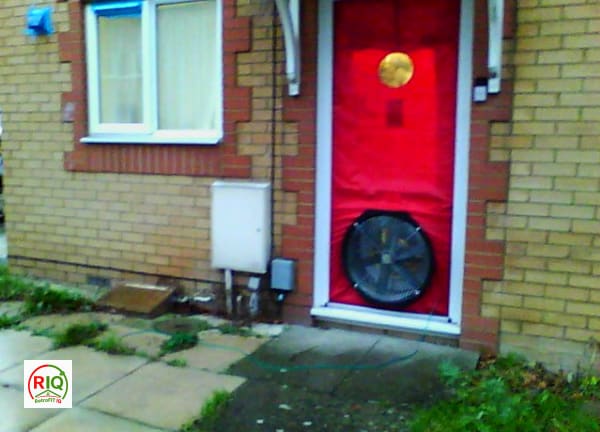
- Measure heat loss and air leakage with a fabric survey, thermal imaging and a blower door test
- Design a moisture-safe, prioritised fabric improvement plan
- Pair the fabric works with the right controlled ventilation
- Review and specify emitters for low-temperature operation
- Verify the reduced heat loss before the heat pump is sized, and hand a clear readiness brief to your MCS installer