
Whole-House vs Single-Measure Retrofit: Why the Plan Matters
Whole-house retrofit plan vs Single-measure retrofit.
 Reviewed by George Sora, Certified Passive House DesignerUpdated June 2026
Quick answer & key takeaways
4 min read- Bottom line: A whole-house plan models and sequences measures so they work together and do not create new problems; single-measure retrofit fits one improvement at a time without considering the interactions.
- When Whole-house plan is enough: You want a coherent, low-risk outcome over time
- When Single measure is the better choice: A genuinely isolated, low-interaction measure with no moisture implications
- When you need both: Commission the whole-house plan, then deliver individual measures within it as budget allows
- Biggest misconception: “Doing measures one at a time is always safe.” — Because the building is one system, a single measure can shift moisture or thermal-bridge risk elsewhere if interactions are ignored.
- Retrofit IQ’s approach: We model the whole building before recommending any single measure, because heat, air and moisture are linked.
Quick answer
A whole-house plan models and sequences measures so they work together and do not create new problems; single-measure retrofit fits one improvement at a time without considering the interactions. Because insulation, airtightness, ventilation and heating are physically linked, piecemeal measures can shift condensation risk or lock in poor decisions. A whole-house plan can still be delivered in stages — the point is that the stages are coordinated, not that everything happens at once.
At a glance
| Attribute | Whole-house retrofit plan | Single-measure retrofit |
|---|---|---|
| Scope | Coordinated, building-wide | One measure at a time |
| Models interactions | Yes | No |
| Moisture-risk management | Designed in | Often overlooked |
| Sequencing | Planned (can be phased) | Ad hoc |
| Risk of lock-in | Low | Higher |
| Upfront effort | Higher (assessment/plan) | Lower |
| Long-term outcome | Coherent, low-risk | Mixed; risk of rework |
What is Whole-house retrofit plan?
A coordinated strategy that models the building's heat, air and moisture behaviour and sequences measures so they work together — insulation, airtightness, ventilation, glazing and heating — even when carried out in stages. It manages the interactions and the risks between measures.
What is Single-measure retrofit?
Fitting one improvement at a time — loft insulation, new windows, a boiler or a single wall — to convention or grant criteria, without modelling how it affects the rest of the building. It delivers a benefit, but can shift moisture or thermal-bridge risk elsewhere.
What each method measures — and what it doesn’t
Whole-house plan
- How heat, air and moisture move through the whole building
- The interactions and risks between measures, sequenced over time
- A coordinated target (comfort, demand, EnerPHit) the stages build towards
- Does not avoid the upfront cost of assessment and planning
Single measure
- The performance of the single measure being fitted
- How the measure affects the rest of the building
- Whether it shifts condensation or thermal-bridge risk elsewhere
- Whether it forecloses better future options (lock-in)
The building science
A building behaves as a single system for heat, air and moisture, so changing one element changes the others. Insulating a wall raises some surface temperatures but can create new cold spots at untreated junctions; improving airtightness reduces accidental ventilation, which can raise indoor humidity unless ventilation is upgraded too; new windows can make the surrounding reveals the new coldest surface, moving condensation there. These interactions are invisible if you look at one measure in isolation.
A whole-house plan models these relationships first — typically with building physics or PHPP — and then sequences the measures so each is safe in the context of the others. Critically, it treats ventilation as part of the package, not an afterthought, because almost every fabric improvement reduces leakage and shifts the moisture balance. The plan can absolutely be delivered in stages to suit budget; what matters is that the stages are designed against a coherent end-state rather than chosen one at a time.
Single-measure retrofit, by contrast, optimises one thing and ignores the rest. It often delivers a real benefit — loft insulation almost always helps — but it can also shift risk: airtightness without ventilation breeds condensation; partial insulation creates thermal-bridge mould; a measure chosen for a grant can lock in a layout that makes the next, better step impossible or expensive. The classic failure is sealing a home up for energy and then battling damp, because the moisture consequences were never modelled.
Key differences
- A whole-house plan models interactions; single measures ignore them.
- A whole-house plan designs in moisture and ventilation; single measures often overlook them.
- A whole-house plan sequences measures (even if phased); single measures are ad hoc.
- Single measures risk shifting condensation or thermal-bridge risk elsewhere.
- A whole-house plan reduces the risk of lock-in and costly rework.
Common misconceptions
Myth: Doing measures one at a time is always safe.
Because the building is one system, a single measure can shift moisture or thermal-bridge risk elsewhere if interactions are ignored.
Myth: A whole-house plan means doing everything at once.
No — it can be delivered in stages; the point is that the stages are coordinated against a coherent end-state.
Myth: Airtightness alone saves energy with no downside.
Without upgrading ventilation, increased airtightness can raise humidity and cause condensation; the two must be planned together.
Real-world situations
Considering a single grant-funded measure
Get a whole-house plan first so the measure fits a coherent strategy and does not foreclose better future steps.
Phased retrofit over several years on a budget
A whole-house plan with a sequenced, staged programme — coordinated stages, not isolated measures.
Damp appeared after recent energy works
Investigate the moisture balance the works altered; usually airtightness rose without matching ventilation, which the plan should have addressed.
Which do you actually need?
When Whole-house plan is enough
- You want a coherent, low-risk outcome over time
- Measures interact (insulation, airtightness, ventilation, heating)
- You are phasing works and want to avoid lock-in
When Single measure is the better choice
- A genuinely isolated, low-interaction measure with no moisture implications
- A stop-gap repair where a full plan will follow
When you need both
- Commission the whole-house plan, then deliver individual measures within it as budget allows
What Retrofit IQ checks on site
We model the whole building before recommending any single measure, because heat, air and moisture are linked. That lets us sequence works so each stage is safe in the context of the others — avoiding the common pattern of an energy upgrade that quietly creates a damp problem.
- Whole-house building physics or PHPP modelling of heat, air and moisture
- Thermal imaging and airtightness testing to establish the baseline
- Condensation-risk and interstitial assessment for each proposed measure
- Ventilation strategy reviewed alongside every fabric improvement
- A sequenced, phased programme designed against a coherent end-state
- Identification of lock-in risks so early measures do not foreclose better steps
What a Certified Passive House Designer recommends
Retrofit goes wrong far more often from a missing plan than from a bad product. A building is one system, so a measure that looks sensible in isolation — sealing up for energy, or insulating one wall — can move condensation risk to a junction or a reveal that was never considered.
A whole-house plan does not mean spending everything at once; it means modelling the interactions and sequencing the measures, even over years, against a coherent end-state. Done that way, each stage is safe and additive. Done piecemeal, you risk solving one problem and buying another.
— George Sora, Certified Passive House Designer, Founder, RetrofitIQ
Reviewed using current building physics principles and Passive House methodology.
Related services
Related comparisons
Related investigations
Compare another way
Closely related comparisons our clients read next.
EnerPHit vs Standard Retrofit
EnerPHit applies verified Passive House targets and a whole-house plan to retrofit; standard retrofit fits individual measures without that framework.
Read comparisonInternal vs External Wall Insulation
EWI is generally the better building-physics solution because it keeps the wall warm and the insulation continuous, reducing thermal bridges and condensation risk.
Read comparisonInvestigation-led Retrofit vs Build First, Diagnose Later
Investigation-led retrofit measures and diagnoses the cause before any work is specified; 'build first, diagnose later' recommends work from visible symptoms and fixes problems afterwards.
Read comparisonThermal Bridging vs Air Leakage as Heat Loss
Thermal bridging is conductive heat loss through interruptions in the insulation; air leakage is convective heat loss carried out by moving air.
Read comparisonEvidence from Real Projects (13)
Real project and investigation images from our own fieldwork, matched to this page — not stock photography.
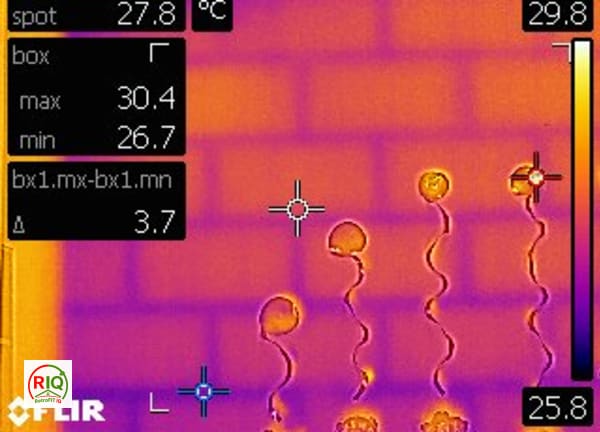
Thermal Bridging Visible Through Masonry Blockwork Wall

Thermal Bridge at Internal Corner Wall Junction

Sample Building Performance Investigation Report — Thermal Imaging

Thermal Bridge at Wall-Ceiling Junction Near Window
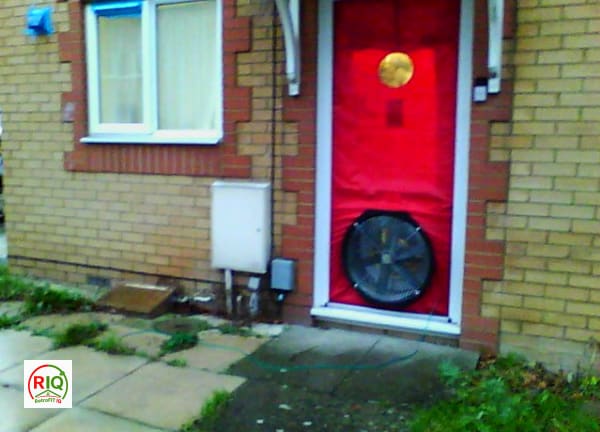
Blower Door Airtightness Test Setup
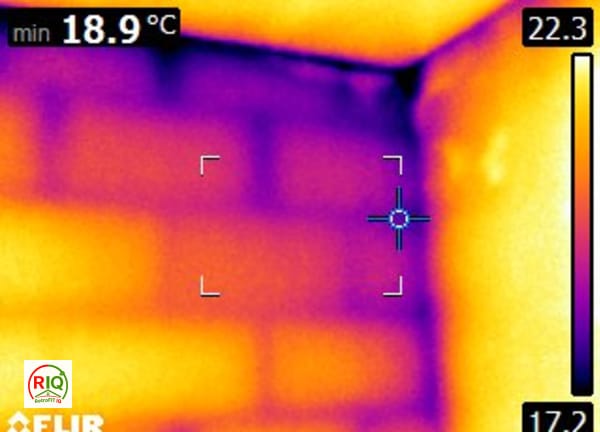
Cold wall surface vs warm ceiling
No related investigations yet.
Browse all investigationsFrequently asked questions
Is it safe to do retrofit measures one at a time?+
Only if their interactions are understood. Because the building is one system, a single measure can shift moisture or thermal-bridge risk elsewhere if it is not planned.
Does a whole-house plan mean doing everything at once?+
No. It can be delivered in stages; the point is that the stages are coordinated against a coherent end-state, not chosen ad hoc.
Why did damp appear after my energy upgrade?+
Usually because airtightness increased without upgrading ventilation, raising indoor humidity. A whole-house plan would have addressed both together.
What does a whole-house plan include?+
Modelling of heat, air and moisture, a baseline survey, condensation-risk checks, a ventilation strategy and a sequenced programme of measures.
Is a whole-house plan worth it for a small project?+
Even a modest plan prevents lock-in and moisture risk, so it is usually worth it before committing to measures that interact.
Can I still use grants with a whole-house plan?+
Yes — the plan helps you choose grant-funded measures that fit a coherent strategy rather than working against it.
What is lock-in?+
When an early measure forecloses or makes more expensive a better later step — for example a layout or detail that blocks future insulation or ventilation.
How does this relate to EnerPHit?+
EnerPHit's component route is a whole-house plan delivered in stages, upgrading elements to certified standards against an overall target.
Need professional advice?
A comparison like this helps you understand the theory, but every property behaves differently. The only reliable way to establish the real cause in your home — rather than guessing — is professional building performance diagnostics. At RetrofitIQ we verify buildings using the appropriate combination of investigations:
- Thermal imaging
- Blower door testing
- Moisture investigation
- Building physics assessment
- Passive House methodology