
The symptoms
- Heating bills that rise year on year with no extra comfort
- The heating runs long and often, yet rooms still feel cold
- Cold walls, cold floors and noticeable draughts
- Condensation or mould despite all the heating you are paying for
The building physics: energy in, energy straight back out
High bills with low comfort is the classic signature of high fabric heat loss combined with air leakage. Energy goes in, but the leaky, under-insulated envelope lets it straight back out. The thermostat keeps calling for heat because the building never holds it, so the system runs and runs. You are, quite literally, paying to warm the air that then escapes through the walls, floor and gaps.
The cheapest unit of energy is the one you never have to buy. Reducing the heat loss cuts the demand at source, which is why fabric and airtightness improvements deliver more reliable savings than switching supplier or upgrading the boiler.
The likely causes
- Uninsulated walls, floors or loft letting heat escape continuously
- Air leakage — often the single biggest hidden cost in an older home
- Inefficient or oversized heating compensating for the losses
- Cold surfaces making you turn the thermostat higher to feel comfortable
Where the fastest paybacks usually are
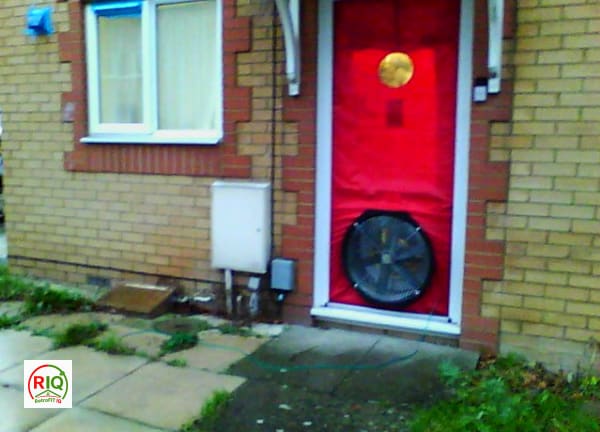
In many older homes, the quickest, cheapest win is air-sealing — sealing the draught paths a blower door test reveals. Loft insulation (or topping up and de-compressing existing insulation) is another high-value, low-cost step. More expensive measures like wall insulation deliver big savings but over a longer payback. The point of measuring is to rank the improvements by impact per pound, so you spend in the right order.
Common mistakes homeowners make
- Switching energy supplier to cut bills while ignoring the heat loss driving them
- Buying a new boiler to 'save money' without reducing demand
- Spending on visible upgrades (e.g. new radiators) before the invisible losses
How RetrofitIQ investigates high bills and a cold home
- Blower door testing to quantify and locate air leakage — often a fast, low-cost win
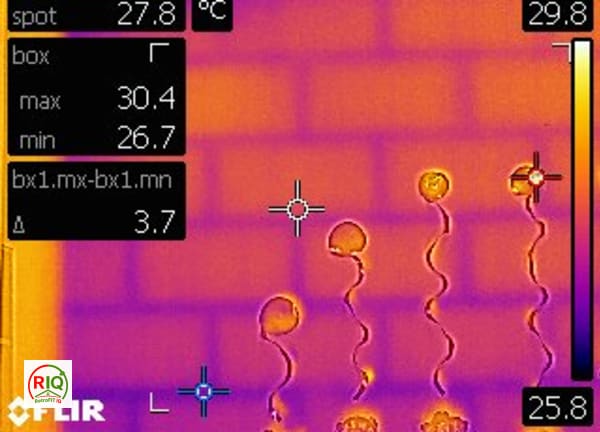
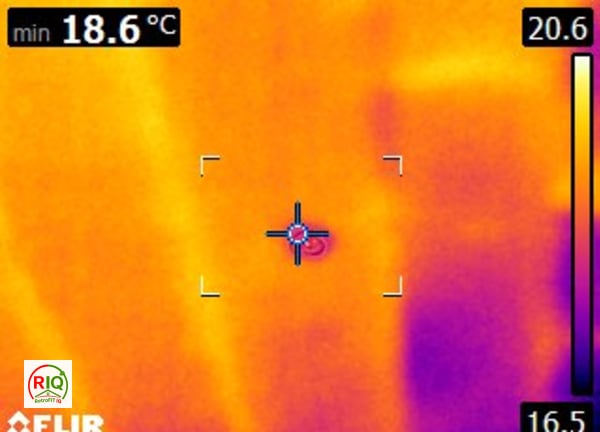
- Thermal imaging to find missing insulation and the coldest, most wasteful surfaces
- A measured heat-loss picture so improvements are ranked by impact per pound
- A fabric-first plan that cuts demand and therefore running cost
- Verification so you can see the bills and comfort actually change