
The symptoms
- Cold air movement felt near floors, skirtings, windows and doors
- Curtains or candle flames moving on a still day
- Cold spots that come and go with the wind
- A house that is cold and expensive to heat despite insulation
The building physics: the stack effect
Warm air rising in a heated house creates a 'stack effect' — like a chimney — that pulls cold air in low down and pushes warm air out high up. Every gap in the building envelope becomes a draught path. This is why you feel cold air at floor level and around skirtings even when the obvious draughts (letterbox, keyholes) are dealt with: the air is being drawn in through dozens of hidden gaps, then escaping through gaps high in the house.
As you improve insulation, this uncontrolled leakage becomes a proportionally bigger share of your remaining heat loss — which is why a well-insulated but leaky home can still feel cold and cost a lot to heat. Wind makes it worse, which is why draughts come and go with the weather.
The likely culprits
- Suspended floor perimeters and gaps between floorboards
- Loft hatches, service penetrations and recessed downlights
- Open or unused chimney flues acting as continuous chimneys for warm air
- Sash-window and door perimeters with worn or missing seals
Why one obvious draught is rarely the whole story
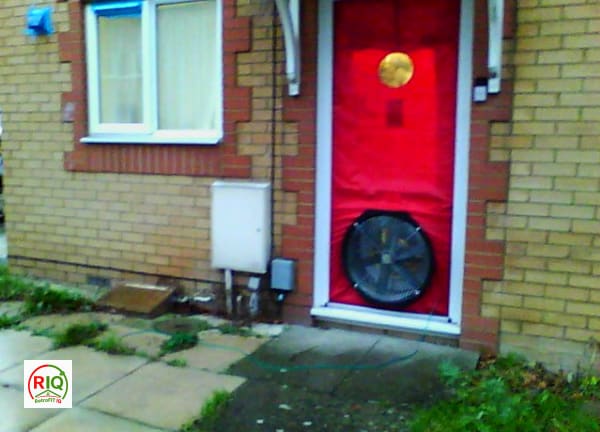
Homeowners often chase a single felt draught — a rattling window, a cold doorway — and seal it, only to find the house is still draughty. That is because the air is moving through many paths at once, most of them hidden. A blower door test depressurises the whole house and makes every path visible at once, so sealing is comprehensive rather than piecemeal.
Common mistakes homeowners make
- Chasing one obvious draught while dozens of hidden paths remain
- Sealing everything with no ventilation strategy, causing condensation and mould
- Assuming new windows alone will fix draughts (the perimeters often still leak)
How RetrofitIQ investigates draughts
- A blower door test to measure total air leakage (ACH₅₀) and depressurise the house
- Smoke tracing at every suspected leak path to make the draughts visible
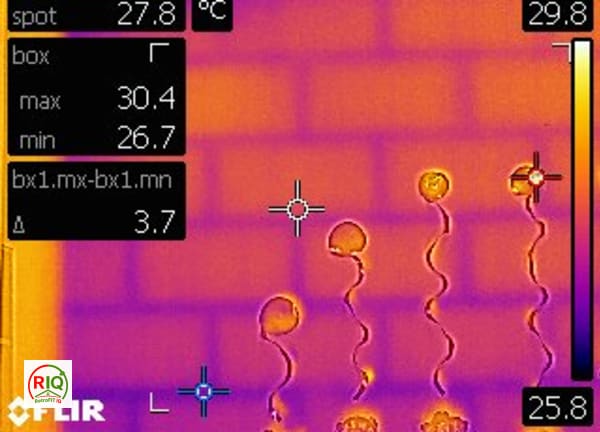
- Thermal imaging under depressurisation to show cold air pushing in through each gap
- A documented, prioritised leak inventory with photos and locations
- An air-sealing plan paired with the right controlled ventilation