
The symptoms
- Cold air felt around the edges of windows and doors, not just through them
- Draughts continuing after new double or triple glazing was installed
- Condensation or mould forming on cold reveals around openings
- Whistling or air movement at frame perimeters in windy weather
The building physics: the frame-to-wall junction
When a window or door is installed, a gap is left between the frame and the structural opening to allow for fitting and movement. That gap must be closed with a continuous air barrier and insulation. Too often it is only filled with expanding foam or simply hidden behind internal trim. Expanding foam insulates but is not a reliable air seal — and trim hides the gap without sealing it. The result is a continuous leakage path running around the entire perimeter of every opening.
Original timber sash windows add their own paths: the box behind the frame and old shutter cavities can act as air channels. Worn brush seals and perished weatherstrips on opening lights and doors complete the picture. And the reveal — the wall surface returning to the frame — is often a cold thermal bridge, so it both leaks and grows mould.
The likely causes
- Unsealed frame-to-wall perimeter behind the trim or architrave
- Worn, missing or compressed weatherseals on opening lights and doors
- Original sash-window boxes and shutter cavities acting as air paths
- Cold, uninsulated reveals and lintels around the opening
Why new windows can still feel draughty
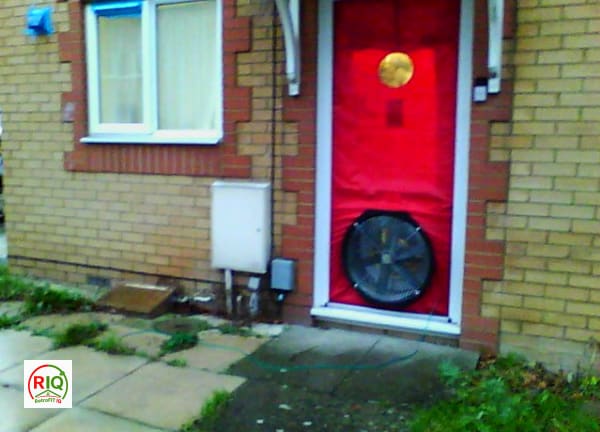
A high-performance window is only as good as its installation. If the installer did not air-seal and insulate the frame-to-wall junction, the new unit sits in a leaky hole and the draughts continue. This is one of the most common post-installation complaints — and the reason we always check the perimeter, not just the glazing, with smoke tracing under a blower door test.
Common mistakes homeowners make
- Replacing the glazing but never sealing the frame-to-wall junction
- Relying on internal trim to 'cover' a draught rather than sealing the air path
- Ignoring cold reveals, which then grow mould
How RetrofitIQ investigates window and door leakage
- Blower door depressurisation with smoke tracing around every frame perimeter
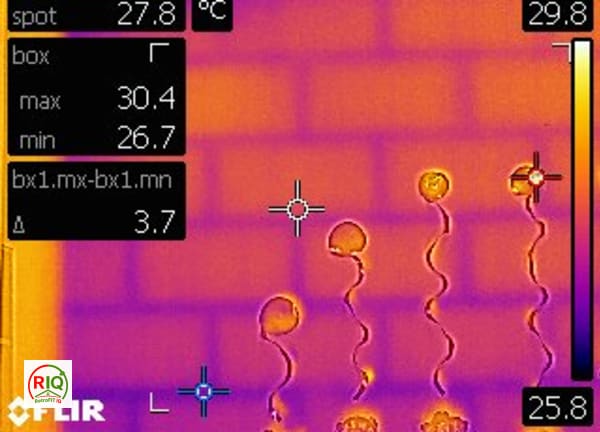
- Thermal imaging to reveal cold air tracking in around frames and reveals
- Surface-temperature checks on reveals to assess condensation risk
- A targeted sealing and reveal-detailing specification
- Verification that the perimeter leakage has actually been reduced