The symptoms
- Water on the inside of windows, worst in the morning and in winter
- Pooling water on sills, with peeling paint or black mould on the frame
- Worst in bedrooms, kitchens and bathrooms
- Misting between panes (a different problem — failed sealed units)
The building physics: humidity and the dew point
Indoor air holds moisture from breathing, cooking, washing and drying clothes. Warm air holds more moisture than cold air. Every batch of air has a 'dew point' — the temperature at which it becomes saturated and water condenses out. When warm, humid indoor air meets a surface colder than its dew point, moisture condenses on that surface. Glass, even double glazing, is usually the coldest surface in the room, so it condenses first.
Persistent window condensation therefore means two things: indoor humidity is high, and/or ventilation is too poor to remove the moisture. It is condensation — moisture from the room air — not rising or penetrating damp. But it is an early warning, because if the relatively warm glass is condensing, the colder wall corners and reveals are condensing too, out of sight, where mould grows.
The likely causes
- High indoor humidity from everyday moisture sources
- Inadequate ventilation to remove that moisture
- Cold single glazing or early double glazing with cold edges
- Drying laundry indoors and unvented tumble dryers
Why new windows often don't solve it
Replacing the glazing makes the glass warmer, so it may stay drier — but the moisture in the air does not disappear. It simply condenses on the next-coldest surface instead: a wall corner, a window reveal, behind furniture. People often report more wall mould after fitting new, tighter windows, because the old draughts that were quietly removing moisture have gone. The real fix is moisture control and ventilation, not just better glass.
Common mistakes homeowners make
- Wiping the windows daily and treating it as normal
- Sealing trickle vents and draughts, which traps even more moisture
- Drying washing on radiators, adding litres of water to the air
The dew-point maths, in plain terms
A quick example shows why glass condenses first. Room air at 20 °C and 60% relative humidity has a dew point of about 12 °C — meaning any surface colder than 12 °C will run with condensation. Single glazing on a cold night can easily sit at 6–8 °C internally, well below that dew point, so it streams with water. Older or cold-edged double glazing might sit at 10–13 °C — borderline, condensing on the coldest mornings. The same room air will also condense on a wall corner or reveal that drops below 12 °C, which is why window condensation and corner mould so often appear together: they are the same humidity meeting different cold surfaces.
Why the moisture just moves to the walls
Upgrading to warm, well-edged double or triple glazing raises the glass temperature, so the windows may stay dry. But the moisture in the air has not gone anywhere — the household still generates the same litres of water vapour each day. With the glass now warm, that moisture simply condenses on the next-coldest surfaces instead: the wall corners, the window reveals, the cold spots behind furniture. Many people report more wall mould after fitting new windows for exactly this reason. The lesson is that the durable cure is controlling the moisture and warming the cold surfaces, not chasing the symptom from the glass to the walls.
Behaviour, season and the things that make it worse
Window condensation is worst in winter (cold glass, more time indoors with windows shut) and first thing in the morning (after a night of occupants adding moisture to a cooling, closed room). Certain habits push it over the edge: drying laundry indoors or on radiators (several litres of water per load straight into the air), an unvented tumble dryer, cooking without lids or an extractor, long showers without the extract fan running, and — counter-intuitively — taping up trickle vents or blocking draughts to save heat, which removes the ventilation that was keeping humidity down. Recognising these helps, but they are rarely the whole story: the cold surfaces still need addressing.
What to do tonight, and what to fix properly
There are quick steps that reduce window condensation immediately — running extract fans during and after cooking and showering, putting lids on pans, venting the tumble dryer outside, not drying washing on radiators, opening trickle vents, and keeping internal doors to wet rooms closed so moisture does not spread. These manage the symptom. The durable fix, established by measurement, combines controlled ventilation (continuous extract or MVHR) to hold humidity in the healthy 40–60% band with warmer surfaces (insulation and thermal-bridge correction) so the air no longer reaches its dew point on the coldest spots. Together, those two moves take the surface relative humidity safely below the level at which condensation and mould occur.
How RetrofitIQ investigates window condensation
- Humidity and temperature logging to measure indoor moisture and calculate dew point
- Surface-temperature readings on glass, reveals and wall corners
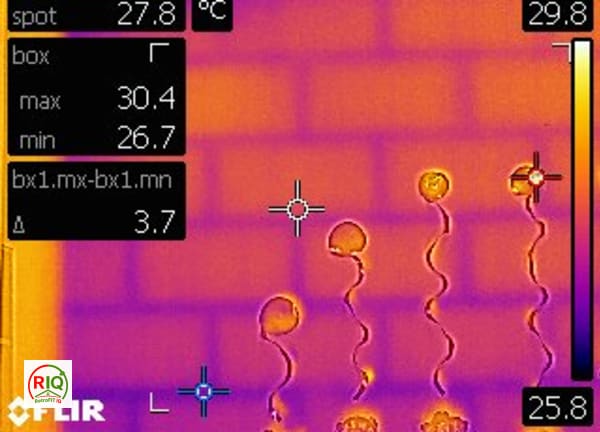
- Thermal imaging to find the coldest surfaces where hidden condensation forms
- A ventilation assessment to check the home can actually remove its moisture load
- A plan combining humidity control, ventilation and warmer surfaces