
Design Heat Loss vs EPC Heat Demand: Which Number to Trust
Design heat loss vs EPC heat demand.
 Reviewed by George Sora, Certified Passive House DesignerUpdated June 2026
Quick answer & key takeaways
4 min read- Bottom line: Design heat loss is a peak-power figure (watts) calculated from the building's real fabric to size heating systems and emitters; EPC heat demand is an annual-energy estimate (kWh/year) from RdSAP for rating and compliance.
- When Design heat loss is enough: You are sizing a heat pump, boiler or emitters
- When EPC demand is the better choice: You need an EPC for sale, let or compliance
- When you need both: Use the EPC for compliance and a design heat-loss calculation for any system sizing — they serve different purposes
- Biggest misconception: “My EPC tells me what size heat pump I need.” — It does not. The EPC is an annual rating using defaults; sizing needs a room-by-room design heat-loss calculation.
- Retrofit IQ’s approach: We calculate design heat loss from surveyed fabric, verified with thermal imaging and airtightness data, and keep it strictly separate from the EPC.
Quick answer
Design heat loss is a peak-power figure (watts) calculated from the building's real fabric to size heating systems and emitters; EPC heat demand is an annual-energy estimate (kWh/year) from RdSAP for rating and compliance. They answer different questions and must not be confused — you size a heat pump from design heat loss, never from an EPC. The EPC tells you roughly how a home compares; design heat loss tells you what the heating system must deliver.
At a glance
| Attribute | Design heat loss | EPC heat demand |
|---|---|---|
| Units | Watts / kW (peak power) | kWh/year (annual energy) |
| Purpose | Size systems and emitters | Rate and compare for compliance |
| Basis | Actual fabric, room by room | Visual survey + RdSAP defaults |
| Accuracy for sizing | High | Not suitable for sizing |
| Granularity | Per room | Whole dwelling rating |
| Used by | Heating/heat-pump designers | EPC assessors, lenders, marketing |
What is Design heat loss?
A calculated peak heat-loss figure (in watts or kW) for the whole house and each room, derived from actual fabric U-values, areas, ventilation and design temperatures. It is the engineering basis for sizing heating systems, heat pumps and emitters.
What is EPC heat demand?
An annual energy estimate (kWh/year) produced by RdSAP for the Energy Performance Certificate, largely from visual survey and default assumptions. It rates and compares homes for compliance and marketing, but is not a design-accurate figure for sizing systems.
What each method measures — and what it doesn’t
Design heat loss
- Peak heat loss per room and whole-house at design conditions
- The basis for sizing the heat source and every emitter
- How fabric measures change the peak load
- Annual energy consumption or the A–G rating used for compliance and lending
EPC demand
- An indicative annual energy demand and A–G rating for compliance
- A standardised comparison between dwellings
- Peak heat loss, so it cannot be used to size a heating system or heat pump
- Room-by-room loads or actual fabric, because it relies on defaults
The building science
These two numbers are often confused because both relate to heat, but they are physically different. Design heat loss is a power — the rate, in watts, at which the building loses heat at a defined design condition (for example, a cold winter day). It is what a heating system must be able to supply at peak, so it sizes the heat pump or boiler and, crucially, every emitter. It is calculated room by room from measured fabric U-values, exposed areas, ventilation rates and design temperatures.
EPC heat demand is an energy — an estimate, in kilowatt-hours per year, of how much heating energy the dwelling uses annually, produced by RdSAP for the Energy Performance Certificate. RdSAP is a reduced, standardised method that fills gaps with default assumptions when the assessor cannot see the construction, so it is built for consistent comparison across millions of homes, not for design accuracy in any single one. It yields a rating and a rough annual figure, not a peak power.
The practical danger is using the EPC to size a heating system. Because RdSAP uses defaults and an annual basis, it cannot tell you the peak room loads, and sizing a heat pump from it leads to oversizing, cycling and poor efficiency. The correct workflow is to use the EPC for what it is — a compliance and comparison rating — and to commission a proper room-by-room design heat-loss calculation whenever a system, and especially a heat pump, is being sized.
Key differences
- Design heat loss is power (watts); EPC demand is annual energy (kWh/year).
- Design heat loss sizes systems; EPC demand rates for compliance.
- Design heat loss uses actual fabric room by room; EPC demand uses RdSAP defaults.
- You size a heat pump from design heat loss, never from an EPC.
- An EPC compares homes; design heat loss specifies what the heating system must deliver.
Common misconceptions
Myth: My EPC tells me what size heat pump I need.
It does not. The EPC is an annual rating using defaults; sizing needs a room-by-room design heat-loss calculation.
Myth: A good EPC means low heat loss.
The rating is indicative and uses defaults; it does not reliably reflect the peak heat loss or real performance.
Myth: Design heat loss and EPC demand should match.
They are different quantities — power versus annual energy — produced for different purposes, so they will not align.
Real-world situations
Sizing a heat pump or heating system
Commission a room-by-room design heat-loss calculation; do not rely on the EPC figure.
Selling or letting a property
The EPC is the required document; it rates the home for compliance and marketing.
Planning a fabric upgrade
Use design heat-loss modelling to see how measures reduce the peak load and improve efficiency, beyond what the EPC shows.
Which do you actually need?
When Design heat loss is enough
- You are sizing a heat pump, boiler or emitters
- You need room-by-room loads
- You are modelling the effect of fabric upgrades on the load
When EPC demand is the better choice
- You need an EPC for sale, let or compliance
- You want a standardised comparison rating
- A lender or grant requires the certificate
When you need both
- Use the EPC for compliance and a design heat-loss calculation for any system sizing — they serve different purposes
What Retrofit IQ checks on site
We calculate design heat loss from surveyed fabric, verified with thermal imaging and airtightness data, and keep it strictly separate from the EPC. That stops the common, costly error of sizing a heat pump from a compliance rating that was never meant for the job.
- Room-by-room design heat-loss calculation from surveyed fabric
- U-value verification with thermal imaging to check insulation continuity
- Ventilation and airtightness inputs, since infiltration drives part of the loss
- Design temperatures appropriate to the location and exposure
- Modelling of fabric measures and their effect on peak load and sizing
- Clear separation of the compliance EPC from the engineering heat-loss figure
What a Certified Passive House Designer recommends
The most damaging confusion in domestic heating right now is treating the EPC as a sizing tool. It is an annual rating built on defaults; it cannot tell you the peak power your heating system must deliver, and using it to size a heat pump is how homes end up with oversized, cycling plant.
Design heat loss is the number that matters for sizing — a peak-power figure, calculated room by room from real fabric. I keep the two firmly apart: the EPC for compliance and comparison, the design heat loss for engineering. Anyone sizing a heat pump from an EPC is guessing.
— George Sora, Certified Passive House Designer, Founder, RetrofitIQ
Reviewed using current building physics principles and Passive House methodology.
Related services
Related comparisons
Related investigations
Compare another way
Closely related comparisons our clients read next.
Heat Pump Sizing: Room-by-Room vs Rule of Thumb
A room-by-room heat-loss calculation sizes the heat pump and emitters from the building's actual fabric and losses; a rule of thumb guesses from floor area or the old boiler.
Read comparisonPHPP vs SAP / RdSAP Energy Modelling
PHPP is a design tool that predicts real energy performance accurately; SAP and RdSAP are compliance and EPC tools, simplified for consistency rather than precision.
Read comparisonU-values vs Thermal Bridging in Heat Loss
U-values describe heat loss through the flat area of walls, roofs and windows; thermal bridges describe extra heat loss at junctions and interruptions.
Read comparisonThermal Imaging vs Heat Loss Survey
Thermal imaging tells you where a home loses heat; a heat loss survey tells you how much it loses and where the biggest losses are in calculated terms.
Read comparisonEvidence from Real Projects (12)
Real project and investigation images from our own fieldwork, matched to this page — not stock photography.

Sample Building Performance Investigation Report — Thermal Imaging

Thermal Bridge at Wall-Ceiling Junction Near Window
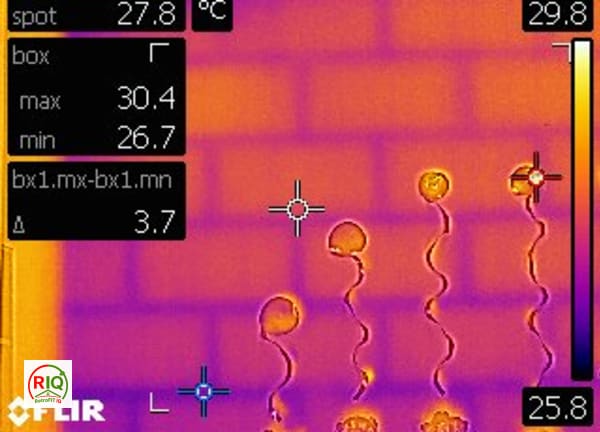
Thermal Bridging Visible Through Masonry Blockwork Wall

Thermal Bridge at Internal Corner Wall Junction
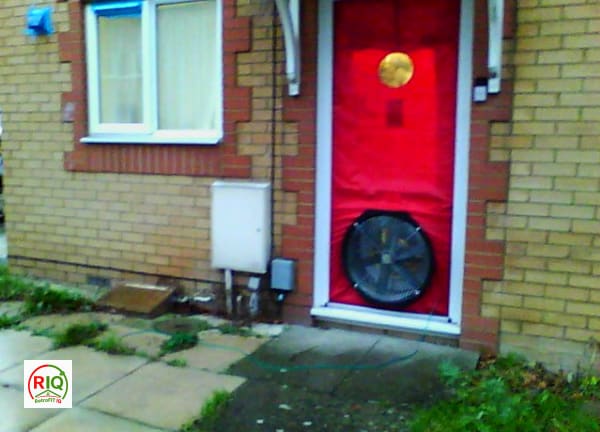
Blower Door Airtightness Test Setup

Acoustic Floor Upgrades: Mineral Wool Insulation Between Joists
No related investigations yet.
Browse all investigationsFrequently asked questions
Can I size a heat pump from my EPC?+
No. The EPC is an annual rating using RdSAP defaults; sizing needs a room-by-room design heat-loss calculation in watts.
What is the difference between heat loss and heat demand?+
Heat loss is a peak power (watts) used to size systems; EPC heat demand is annual energy (kWh/year) used to rate and compare homes.
Why doesn't my EPC match my heating designer's figures?+
They are different quantities for different purposes — the EPC uses defaults and an annual basis, the design heat loss uses real fabric and peak conditions.
Is a good EPC rating enough to plan a retrofit?+
Not for sizing or detailed design. It is a useful comparison, but design heat-loss modelling is what guides system sizing and fabric priorities.
Who calculates design heat loss?+
A competent heating or building-performance professional who surveys the fabric and calculates each room's loss.
Does an EPC measure my real energy use?+
No — it is an indicative, standardised estimate, not a measurement of your actual consumption.
Will fabric improvements show on both?+
Yes, but differently: they lower the design heat loss (peak power) and improve the EPC rating (annual energy), each in its own units.
Which number do I need for a heat pump grant?+
Grants typically require an EPC for eligibility, but the installer must size the system from a design heat-loss calculation.
Need professional advice?
A comparison like this helps you understand the theory, but every property behaves differently. The only reliable way to establish the real cause in your home — rather than guessing — is professional building performance diagnostics. At RetrofitIQ we verify buildings using the appropriate combination of investigations:
- Thermal imaging
- Blower door testing
- Moisture investigation
- Building physics assessment
- Passive House methodology