What's the most cost-effective way to reduce heat loss?
The most cost-effective way to reduce heat loss is not a single measure but a method: measure where your home actually loses heat, then fix the biggest losses with the lowest cost first, in a sensible sequence. For most homes that usually means cheap, high-impact basics — loft insulation and draught-sealing — before bigger investments like wall or floor insulation and glazing. The key is that the right order depends on your specific home, so a measured assessment is what tells you where to start for the best return.
 Reviewed by George Sora, Certified Passive House DesignerUpdated July 2026
Quick answer & key takeaways
7 min read- The most cost-effective approach is to measure first, then fix the biggest, cheapest losses.
- Cheap basics — loft insulation and draught-sealing — usually pay back fastest.
- Bigger measures (walls, floors, glazing) follow, targeted where the loss is greatest.
- The right order depends on your specific home, not a generic checklist.
- Biggest misconception: there's one universal best measure. The best order is home-specific.
- Retrofit IQ's approach: measure the heat loss, then sequence the measures by value.
What this usually means
Cost-effectiveness is about getting the most heat-loss reduction per pound spent, and that depends on two things: how much heat an element is losing, and how much it costs to fix. The best-value measures are those that combine a large heat loss with a low cost to address — which is why draught-sealing and topping up loft insulation so often come first: they are inexpensive and tackle significant losses. Larger measures like solid-wall insulation can save a lot but cost more, so they come later and must be well targeted; glazing is usually further down the list on pure heat-loss value, though it brings comfort and other benefits.
There is no single universally 'best' measure, because homes differ. A home with a cold, leaky loft will get its best value from loft insulation and air-sealing; a solid-walled Victorian terrace may lose most through its walls; a bungalow with a large floor area may lose significantly through the floor. Applying a generic ranking blindly can mean spending on the wrong thing first. What is consistent is the method: establish where your particular home loses heat, then rank the measures by the saving they deliver against their cost, and do them in that order.
Sequencing also matters beyond pure cost, because measures interact. Sealing air leakage makes insulation more effective; doing fabric improvements before sizing heating (or a heat pump) avoids over-sizing expensive plant; and tackling the basics first often defers or reduces the need for larger spends. So the most cost-effective route is a fabric-first, measured, sequenced plan: a heat-loss calculation, thermal imaging and a blower door test reveal where the heat goes, and from that you fix the biggest, cheapest losses first and reassess. This targeting is precisely what separates money well spent from money wasted on the wrong measure.
Common causes
Untargeted spending
Spending on a measure that is not a major loss in your home gives poor value.
Ignoring cheap basics
Overlooking low-cost draught-sealing and loft insulation misses the fastest paybacks.
Following a generic ranking
Applying a one-size-fits-all order can mean fixing the wrong element first.
Doing measures in the wrong order
Insulating before sealing, or sizing heating before improving fabric, reduces value.
No measurement of the losses
Without measuring, the biggest, best-value losses cannot be identified.
Signs and symptoms
Unsure where to start
Uncertainty over which measure to do first is exactly what a measured assessment resolves.
High bills and draughts
Draughts alongside high bills often mean cheap air-sealing is the best first step.
Cold loft or thin loft insulation
A poorly insulated loft is usually a high-value, low-cost early priority.
Considering an expensive measure first
Planning a big spend before the basics suggests the order should be checked.
Money spent with little effect
Past measures that did little point to untargeted spending.
What most people check first
- Where your specific home loses the most heat.
- Which losses are cheapest to address (often draughts and loft).
- Whether the basics have been done before bigger measures.
- Whether measures are sequenced to interact well.
What most people miss
- That cost-effectiveness is a method, not a single measure.
- That cheap basics usually pay back fastest.
- That the best order is specific to your home.
- That measures interact, so sequencing affects value.
The building physics
Each measure's cost-effectiveness can be expressed as the annual energy saving it delivers divided by its cost — and the saving is proportional to the heat loss it removes (area × U-value reduction × heating degree-time) or the air leakage it seals. Measures that combine a large removable loss with a low cost score highest: draught-sealing addresses infiltration cheaply, and topping up loft insulation removes a large fabric loss at low cost. Solid-wall insulation removes a large loss but at higher cost, so it scores well only where the walls dominate the loss; glazing typically removes less heat loss per pound, though it delivers comfort and condensation benefits.
Because the heat-loss distribution differs between homes, the ranking of measures is home-specific, and a generic order can misallocate spending. A measured assessment establishes the actual distribution — a heat-loss calculation apportions the loss across roof, walls, floor, windows and ventilation; thermal imaging locates defects and bridges; a blower door test quantifies infiltration. From this, measures can be ranked by saving-per-cost for that particular dwelling, which is the only reliable basis for 'most cost-effective'.
Sequencing then captures the interactions. Air-sealing raises the effective value of subsequent insulation by removing the bypass that infiltration represents; completing fabric improvements before sizing heating avoids paying for oversized plant and enables low-temperature, heat-pump-ready operation; and doing the cheap, high-impact basics first can defer or shrink larger investments. The most cost-effective strategy is therefore a fabric-first, measured, sequenced plan rather than any one measure — start with the highest saving-per-cost items, reassess, and proceed. This investigation-led prioritisation is what consistently delivers the best return, which is why measuring before spending is the central principle.
How to cut heat loss most cost-effectively
Measure where your home loses heat, rank the measures by saving against cost, and do the biggest, cheapest losses first in a sequenced, fabric-first plan.
- 01
Measure the heat loss
Use a heat-loss calculation, thermal imaging and a blower door test to find where heat is lost.
- 02
Rank measures by value
Order the measures by the saving they deliver against their cost for your specific home.
- 03
Do the cheap basics first
Start with low-cost, high-impact draught-sealing and loft insulation where they apply.
- 04
Target bigger measures
Follow with wall, floor or glazing improvements where those are the dominant losses.
- 05
Sequence for interactions
Seal before insulating and improve fabric before sizing heating, so measures reinforce each other.
- 06
Reassess and proceed
Re-evaluate after each stage so spending continues to target the best remaining value.
How to prevent it coming back
- Always measure before spending on heat-loss measures.
- Prioritise the cheapest, highest-impact losses first.
- Tailor the order to your specific home, not a generic list.
- Sequence measures so they reinforce each other.
How Retrofit IQ investigates this
We measure where the home loses heat and rank the measures by value, producing a sequenced, fabric-first plan.
Do not spend money fixing symptoms before you understand the cause — investigate first, then build with confidence.
Do I need a professional investigation?
If you want to reduce heat loss and bills but are unsure where to start, a measured assessment is the most cost-effective first step, because it reveals where your specific home loses heat and ranks the measures by value. This ensures the cheapest, highest-impact improvements come first and money is not spent on the wrong thing.
Where to go next
Relevant services
Related comparisons
From the Academy
Evidence from Real Projects (26)
Real project and investigation images from our own fieldwork, matched to this page — not stock photography.

Sample Building Performance Investigation Report — Thermal Imaging
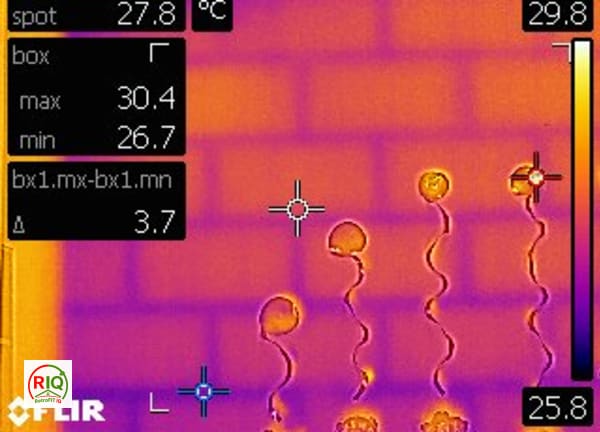
Thermal Bridging Visible Through Masonry Blockwork Wall
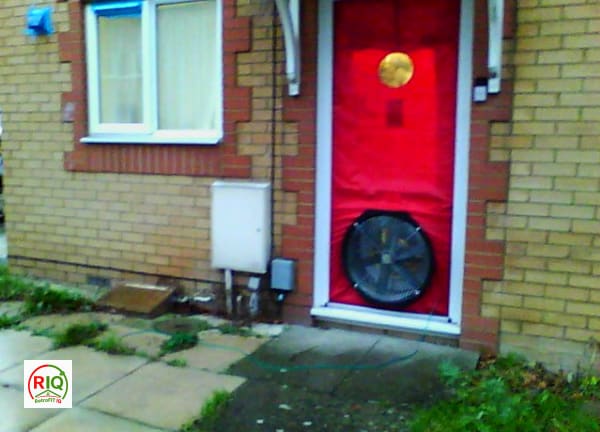
Blower Door Airtightness Test Setup

Thermal Bridge at Internal Corner Wall Junction

Acoustic Floor Upgrades: Mineral Wool Insulation Between Joists

Thermal Bridge at Wall-Ceiling Junction Near Window
No related investigations yet.
Browse all investigationsFrequently asked questions
What's the most cost-effective way to reduce heat loss?+
It is a method, not a single measure: measure where your home actually loses heat, then fix the biggest losses with the lowest cost first. For most homes that means cheap basics — loft insulation and draught-sealing — before bigger measures, but the right order depends on your specific home.
What should I do first to cut heat loss?+
Usually the cheap, high-impact basics — draught-sealing and topping up loft insulation — because they tackle significant losses at low cost and pay back fastest. But a measured assessment confirms the best first step for your particular home.
Is there a single best measure?+
No — homes lose heat differently, so the best-value measure varies. A leaky loft, a solid-walled terrace and a large-floored bungalow each have a different priority. Applying a generic ranking blindly can mean spending on the wrong thing first.
Why does the order of measures matter?+
Because measures interact: sealing draughts makes insulation more effective, and improving the fabric before sizing heating avoids paying for oversized plant. Doing the cheap basics first can also defer or reduce larger spends, improving overall value.
Should I get glazing or wall insulation for best value?+
It depends on where your home loses heat. Wall insulation saves a lot where walls dominate the loss; glazing usually removes less heat loss per pound, though it adds comfort and reduces condensation. Measuring shows which is better value for you.
Do I really need a survey before spending?+
It is the most cost-effective first step, because it reveals where your home actually loses heat and ranks the measures by value. Without it, you risk insulating the wrong element first and getting a disappointing return.
How do you find the most cost-effective measures?+
We measure the heat loss with a calculation, thermal imaging and a blower door test, rank the measures by saving against cost for your home, and produce a sequenced, fabric-first plan that does the biggest, cheapest losses first.
Stop guessing — find the real cause
Do not spend money fixing symptoms before you understand the cause. Every home behaves differently, and the only reliable way to know what is happening in yours is professional building performance diagnostics. At RetrofitIQ we verify buildings using the right combination of investigations:
- Thermal imaging
- Blower door testing
- Moisture & dew point readings
- Ventilation review
- Building physics assessment
- Passive House methodology