
How do I find heat loss in my house?
You find heat loss by measuring it, not by guessing. The professional method combines thermal imaging (where heat escapes), a blower door test (how much air leaks and where), and a heat-loss calculation (how much energy is lost) into one diagnostic picture.
 Reviewed by George Sora, Certified Passive House DesignerUpdated June 2026
Quick answer & key takeaways
5 min read- Heat loss is found by measurement: thermal imaging shows where, a blower door shows air leakage, a calculation shows how much.
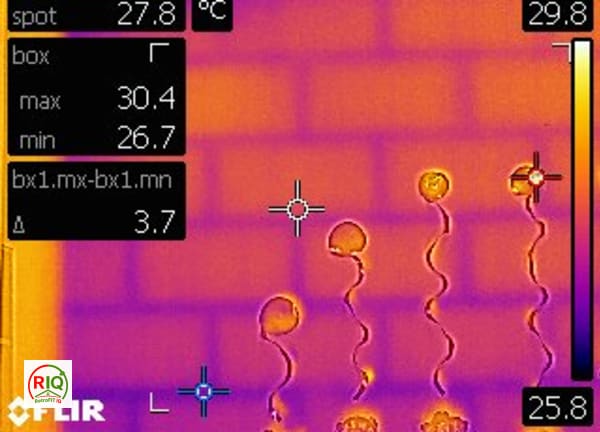
- Thermal imaging reveals missing insulation, thermal bridges and air paths across whole surfaces.
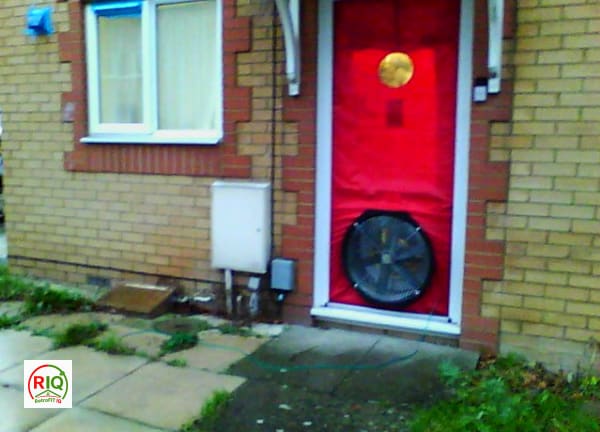
- A blower door test quantifies total air leakage and, with smoke, pinpoints the paths.
- A room-by-room heat-loss calculation ranks the losses so you spend where it matters.
- Biggest misconception: an EPC tells you your heat loss. It's a compliance estimate, not a diagnostic.
- Retrofit IQ's approach: combine all three so location and quantity agree, then prioritise by payback.
What this usually means
Finding heat loss means establishing two things: where the heat escapes, and how much. Neither is visible to the naked eye, which is why DIY inspection and EPC estimates routinely miss the real picture. Instruments turn an invisible problem into a map and a set of numbers.
Done properly, the result is a prioritised plan: the biggest losses identified, located and ranked by the value of fixing them — so money goes to the measures that cut the most heat loss for the least cost, in a moisture-safe order.
Common causes
Hidden missing insulation
Slumped cavity fill, gaps in loft insulation and bridged areas lose heat invisibly until a thermal camera reveals them.
Air leakage paths
Floor perimeters, lofts, chimneys, downlights and service holes leak warm air; only a blower door quantifies and locates them.
Thermal bridges
Junctions, lintels and reveals conduct heat faster than the surrounding fabric and need imaging plus detailing review to find.
Underperforming elements
Walls and roofs that perform worse as-built than on paper — confirmed with in-situ measurement rather than assumed U-values.
Reliance on EPCs
EPCs use standard defaults and visual survey, so they estimate rather than measure and miss most real losses.
Signs and symptoms
High bills with poor comfort
A strong indicator the home loses more heat than it should, worth measuring to locate.
Cold walls, floors and draughts
Obvious symptoms that point to fabric losses and air leakage you can map with instruments.
Rooms that cool quickly
Fast cooling after the heating stops signals high losses worth quantifying.
Only an EPC, no measurements
If you have a compliance rating but no diagnostic data, your real losses are unknown.
What most people check first
- Loft insulation depth and continuity.
- Obvious draughts and cold spots by hand.
- Single glazing and visibly cold walls.
- Whether you have only an EPC — which is an estimate, not a measurement.
What most people miss
- That an EPC is a compliance rating, not a diagnostic survey.
- Air leakage, which cannot be found by eye and needs a blower door.
- Thermal bridges, which a simple U-value calculation ignores.
- That location and quantity must be cross-read together for a reliable plan.
The building physics
Heat loss has two physical routes — conduction through the fabric and convection via moving air — and they require different tools. Thermal imaging visualises surface temperature differences caused by conduction and air movement, so it locates missing insulation, bridges and leaks. A blower door pressurises or depressurises the building to measure the total air-change rate at a reference pressure (ach@50), quantifying the convective loss and, with smoke, revealing its paths.
Neither shows the energy figure directly. A room-by-room heat-loss calculation converts the fabric and ventilation data into watts, ranking where the losses are and what they cost. Used together, the camera's 'where', the blower door's 'how much air', and the calculation's 'how much energy' form a complete, cross-checked picture.
An EPC, by contrast, is a standardised compliance estimate using visual survey and defaults. It is useful for comparison and statutory purposes but is not a measurement of your home's heat loss and should never be used to plan or size works.
How to fix it — the right way
You find heat loss by measuring it — combining three methods so the 'where', 'how much air' and 'how much energy' all agree.
- 01
Thermal-image the building
Map cold surfaces, missing insulation, thermal bridges and air paths across whole walls and ceilings.
- 02
Run a blower door test
Measure total air leakage at 50 Pa and, with smoke, locate the specific paths warm air escapes through.
- 03
Calculate the heat loss room by room
Convert the fabric and ventilation data into watts, ranking the losses and the value of fixing each.
- 04
Check in-situ U-values where construction is uncertain
Heat-flux measurement confirms how walls and roofs really perform, rather than assuming.
- 05
Integrate into one prioritised plan
Cross-read the data into a single, moisture-safe action plan ordered by payback.
How to prevent it coming back
- Re-survey after major works to confirm the gains.
- Do not rely on an EPC for planning or sizing works.
- Keep insulation and seals maintained over time.
- Address air leakage before insulating over it.
How Retrofit IQ investigates this
Our diagnostic combines the three methods into one report, so the 'where', 'how much air' and 'how much energy' all agree before any work is recommended.
Do not spend money fixing symptoms before you understand the cause — investigate first, then build with confidence.
Do I need a professional investigation?
Because hidden losses, air leakage and thermal bridges cannot be found by eye, a combined thermal imaging, blower door and heat-loss assessment is the reliable way to find where and how much heat your home loses.
It is the right first step before any insulation, glazing or heat-pump project, so the spend targets the measured losses.
Where to go next
Relevant services
Related comparisons
From the Academy
Related case studies
Evidence from Real Projects (19)
Real project and investigation images from our own fieldwork, matched to this page — not stock photography.



No related investigations yet.
Browse all investigationsFrequently asked questions
Can I find heat loss myself?+
You can spot obvious draughts and missing loft insulation, but hidden losses, air leakage and thermal bridges need thermal imaging and a blower door to find reliably.
Does an EPC show my heat loss?+
No. An EPC is a standardised compliance estimate using defaults; it's not a measurement and misses most real losses.
What does thermal imaging show?+
Surface-temperature patterns that reveal missing insulation, thermal bridges and air paths across whole walls and ceilings.
What does a blower door test measure?+
The total air leakage of the building at a reference pressure, expressed as ach@50, and with smoke it locates the leakage paths.
Do I need all three methods?+
For a reliable plan, yes. The camera shows where, the blower door shows how much air leaks, and the calculation shows how much energy — together they cross-check.
When is the best time for a thermal survey?+
Cooler months with a clear temperature difference between inside and outside give the clearest images.
What do I get at the end?+
A prioritised, costed and moisture-safe plan showing which measures cut the most heat loss for the least spend.
Stop guessing — find the real cause
Do not spend money fixing symptoms before you understand the cause. Every home behaves differently, and the only reliable way to know what is happening in yours is professional building performance diagnostics. At RetrofitIQ we verify buildings using the right combination of investigations:
- Thermal imaging
- Blower door testing
- Moisture & dew point readings
- Ventilation review
- Building physics assessment
- Passive House methodology