
Do I need new windows, or is it something else?
New windows are one of the most-sold home improvements, and often the first thing blamed for cold, draughty or condensation-prone rooms. But the windows are frequently not the main cause — walls, air leakage elsewhere, ventilation and cold surfaces can all produce the same symptoms. Knowing whether you genuinely need new windows, before spending thousands, is what a measured diagnosis provides.
 Reviewed by George Sora, Certified Passive House DesignerUpdated June 2026
Quick answer & key takeaways
7 min read- Cold and draughty rooms are often blamed on windows when walls, air leakage or ventilation are the real cause.
- Replacing windows can disappoint if the dominant heat loss or draught is elsewhere.
- New windows can even worsen condensation if ventilation is not addressed at the same time.
- Measuring heat loss and air leakage shows whether windows are the priority.
- Biggest misconception: new windows are always the best first upgrade. Often they are not.
- Retrofit IQ's approach: measure where heat and air actually escape before recommending windows.
What this usually means
Windows are visible, so they get the blame for cold, draughts and condensation. Sometimes that is fair — single glazing and rotten frames genuinely lose heat and leak air. But just as often the bigger losses are in the walls, the floor junctions, the loft and hidden air-leakage paths, and the window is simply the coldest visible surface where condensation happens to show. Replacing the window then changes little, because the dominant cause was elsewhere.
There is also a counter-intuitive risk: fitting new, well-sealed windows to a home with no ventilation strategy can make condensation worse. The old, draughty windows were accidentally ventilating the home; seal them up and the moisture that used to escape now condenses on the next-coldest surface — often the walls or window reveals — and mould can follow. Windows and ventilation have to be considered together.
So the honest question is not 'are my windows old?' but 'where is this room actually losing heat and air, and where is the moisture going?' Measuring the heat loss and air leakage of the whole room, and assessing ventilation, shows whether windows are the right priority or whether the money would do more on walls, air-sealing or ventilation. Often a measured plan saves the cost of premature window replacement.
Common causes
Heat loss through walls, not windows
Uninsulated walls often lose more total heat than the windows, so replacing glazing alone leaves the room cold.
Air leakage elsewhere
Draughts at floor junctions, the loft and penetrations are frequently larger than the window gaps blamed for them.
Cold surfaces and thermal bridges
Cold reveals and junctions around windows can cause condensation that new glazing alone does not solve.
Ventilation shortfall
Condensation blamed on windows is often a moisture-and-ventilation problem the glazing merely reveals.
Genuinely failed windows
Single glazing, blown units and rotten or leaking frames do warrant replacement — but this should be confirmed, not assumed.
Signs and symptoms
Condensation on the glass each morning
Common and often a ventilation signal; new windows alone may shift the condensation elsewhere rather than solve it.
Draughts that may not be from the window
Felt draughts near a window can actually come from the reveal, sill or wall junction rather than the unit.
Cold rooms despite double glazing
Rooms that stay cold with reasonable windows point to wall heat loss or air leakage elsewhere.
Misted sealed units
Misting between the panes indicates a failed double-glazed unit — a genuine reason to repair or replace.
Rotten or leaking frames
Decayed timber frames or water ingress around the window are real defects warranting attention.
What most people check first
- Whether the rooms are cold overall (walls) or just near the glass (windows).
- Whether draughts come from the unit itself or the reveal, sill and junction.
- Whether condensation is a ventilation issue rather than a glazing one.
- Whether the existing units are genuinely failed (misted, blown, rotten).
What most people miss
- That walls and hidden air leakage often lose more heat than the windows.
- That new windows can worsen condensation without a ventilation strategy.
- That draughts near windows often come from the reveal or junction, not the unit.
- That measuring first can save the cost of premature replacement.
The building physics
A room's heat loss is the sum of losses through each element — walls, windows, floor, roof — each as area times U-value times temperature difference, plus air-leakage loss. Windows have a high U-value, but they are usually a smaller area than the walls; so although glazing loses heat per square metre, the walls can lose more in total. Replacing windows reduces only their share, which is why a room dominated by wall loss stays cold afterwards. Measuring the element-by-element loss shows where the money works hardest.
Air leakage is often misattributed to windows because that is where draughts are felt. But the draught you feel at a window may be cold air entering at the floor junction and tracking up, or air leaking around the reveal rather than through the unit. A blower door test with smoke and thermal imaging shows whether the leakage is genuinely the window or somewhere else — preventing the common mistake of replacing sound windows while the real leaks remain.
Condensation on glass is a dew-point phenomenon: the glass is the coldest surface, so room moisture condenses there first. New, warmer glazing raises the glass temperature, but if the home is under-ventilated the moisture simply finds the next-coldest surface — reveals, walls, corners — and may grow mould there. This is why windows and ventilation must be planned together, and why a diagnosis that measures heat loss, air leakage and ventilation gives a far better answer than assuming new windows are the fix.
How to decide whether you need new windows
Let measurement decide. Establish where the room loses heat and air and where the moisture goes, then prioritise windows, walls, air-sealing or ventilation accordingly.
- 01
Measure the room's heat loss and leakage
Use thermal imaging and a blower door test to see whether windows, walls or hidden leakage dominate.
- 02
Check the windows' actual condition
Confirm whether units are misted, blown or the frames rotten — genuine reasons to replace — versus simply old but sound.
- 03
Assess ventilation
Establish whether condensation is a ventilation problem that new windows would shift rather than solve.
- 04
Prioritise by impact
Direct spend to the biggest losses first — often walls and air-sealing — with windows where they are genuinely the priority.
- 05
Plan windows and ventilation together
If replacing windows, ensure ventilation (trickle vents or mechanical) is provided so condensation does not migrate.
- 06
Verify the outcome
Re-measure after works to confirm comfort, heat loss and condensation have improved.
How to prevent it coming back
- Diagnose before replacing windows so spend matches the real losses.
- Provide ventilation whenever you fit sealed new windows.
- Address wall insulation and air-sealing where they dominate the loss.
- Repair genuinely failed units and frames promptly.
How Retrofit IQ investigates this
We measure where the room loses heat and air, and where moisture goes, before recommending windows or alternatives.
Do not spend money fixing symptoms before you understand the cause — investigate first, then build with confidence.
Do I need a professional investigation?
It is well worth measuring before committing to new windows, because they are expensive and frequently not the dominant cause of cold, draughts or condensation. A diagnosis shows whether the money is better spent on walls, air-sealing or ventilation — or whether the windows genuinely are the priority.
Where to go next
Relevant services
Related comparisons
From the Academy
Related case studies
Evidence from Real Projects (26)
Real project and investigation images from our own fieldwork, matched to this page — not stock photography.
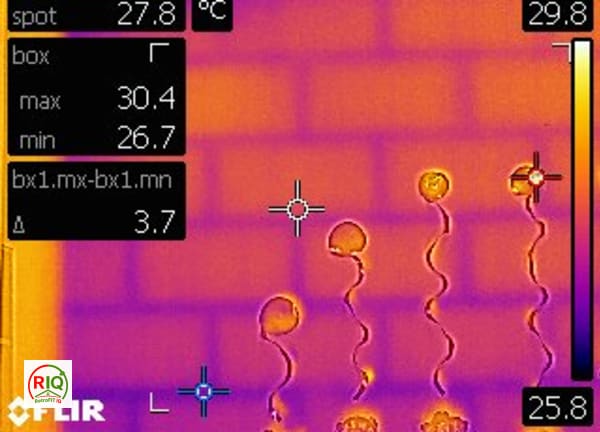
Thermal Bridging Visible Through Masonry Blockwork Wall

Sample Building Performance Investigation Report — Thermal Imaging
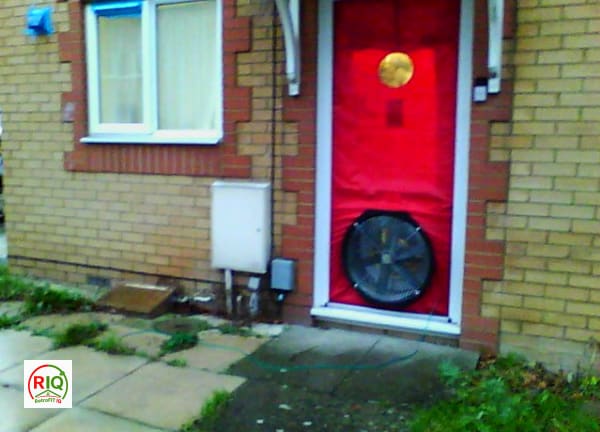
Blower Door Airtightness Test Setup

Thermal Bridge at Internal Corner Wall Junction

Thermal Bridge at Wall-Ceiling Junction Near Window

Ceiling / external-wall junction
No related investigations yet.
Browse all investigationsFrequently asked questions
Do I need new windows or is it something else?+
Often it is something else. Cold and draughts are frequently driven more by walls, hidden air leakage and ventilation than by the windows. Measuring where heat and air actually escape shows whether windows are the right priority.
Will new windows make my cold room warm?+
Only if the windows are the dominant loss. If the walls or air leakage lose more heat, replacing the glazing alone will leave the room cold and the money under-used.
Can new windows make condensation worse?+
Yes. Sealing up draughty windows without providing ventilation can push moisture onto the next-coldest surface, causing condensation and mould on walls or reveals instead.
How do I know if my windows have failed?+
Misting between the panes (a blown unit), rotten frames or water ingress are genuine reasons to repair or replace. Simply being old is not, if they are sound and reasonably sealed.
Are windows or wall insulation the better upgrade?+
It depends on where the heat is lost. In many homes walls lose more in total, so insulating them gives more comfort per pound — but only measurement confirms it for your home.
Why do I feel a draught near the window?+
It may not be the window. Cold air often enters at the floor junction or around the reveal and is felt near the window. A blower door test shows the true source.
How do you decide if I need new windows?+
We measure heat loss and air leakage and assess ventilation, then prioritise windows, walls, air-sealing or ventilation by impact — so you spend on what actually solves the problem.
Stop guessing — find the real cause
Do not spend money fixing symptoms before you understand the cause. Every home behaves differently, and the only reliable way to know what is happening in yours is professional building performance diagnostics. At RetrofitIQ we verify buildings using the right combination of investigations:
- Thermal imaging
- Blower door testing
- Moisture & dew point readings
- Ventilation review
- Building physics assessment
- Passive House methodology