
Why do my window frames get damp and mouldy?
Damp and mould around window frames, reveals and sills are usually condensation, not a leak. The reveal and frame run cold, humid room air condenses on them, and mould grows in that persistently damp band. Because it looks like water ingress, it is often misdiagnosed — but the cure is warmer surfaces and better ventilation, not sealant.
 Reviewed by George Sora, Certified Passive House DesignerUpdated June 2026
Quick answer & key takeaways
6 min read- Damp and mould around windows are usually condensation on cold reveals and frames, not a leak.
- The reveal is often a thermal bridge that runs cold and condenses first.
- Humid room air and poor ventilation feed the dampness.
- Peeling paint and black spotting on reveals are classic condensation signs.
- Biggest misconception: it's a leaking window. Usually it's cold-surface condensation.
- Retrofit IQ's approach: confirm condensation, then warm the reveal and improve ventilation.
What this usually means
The area around a window — the reveal, the frame and the sill — is frequently the coldest part of the wall, because the reveal is thin and acts as a thermal bridge and the frame conducts heat. When humid indoor air meets these cold surfaces, it condenses, keeping them damp; over time that damp band grows mould, lifts paint and stains the finish. It looks like water coming in, but it is moisture from the room condensing out.
This is why it concentrates at the reveal and frame rather than mid-wall, and why it is worse in winter and in humid, poorly ventilated rooms. The same room moisture that mists the glass condenses on the adjacent cold reveal; if the glass is new and warmer, the reveal may now be the coldest surface and condense even when the glass stays clear.
Distinguishing this from a genuine leak matters because the fixes are opposite. A leak tracks rainfall and an external defect; condensation tracks cold weather and humidity. Sealing or replacing a window that is not leaking does nothing for condensation on a cold reveal — the durable cure is to warm the reveal and frame junction and to reduce humidity through ventilation.
Common causes
Cold reveal thermal bridge
The thin reveal around the window runs cold and condenses before the rest of the wall.
Cold frame and junction
Conductive frames and unsealed frame-to-wall junctions create cold, damp-prone surfaces.
High humidity and poor ventilation
Humid room air with little ventilation keeps the cold surfaces wet enough for mould.
Condensation migrating from new glazing
Where new glazing warmed the glass, the reveal can become the coldest surface and condense instead.
Genuine ingress (less common)
Occasionally a failed seal or defect lets water in; this tracks rain and should be confirmed, not assumed.
Signs and symptoms
Black mould on the reveal and frame
Spotting around the window rather than mid-wall is the classic cold-reveal condensation signature.
Peeling paint on the reveal
Paint lifting around the window shows the surface is persistently damp from condensation.
Worse in winter and humid rooms
Damp that tracks cold weather and humidity points to condensation, not a leak.
Wet sills in the morning
Moisture collecting on the sill overnight reflects condensation on the cold surfaces.
Glass clear but reveal damp
After new glazing, condensation moving to the reveal indicates it is now the coldest surface.
What most people check first
- Whether the damp tracks cold weather and humidity (condensation) or rainfall (a leak).
- Whether mould concentrates on the reveal and frame rather than mid-wall.
- Whether the room is humid and poorly ventilated.
- Whether new glazing has shifted condensation to the reveal.
What most people miss
- That damp around windows is usually condensation, not a leak.
- That the cold reveal is a thermal bridge that condenses first.
- That warming the reveal and ventilating, not sealant, is the cure.
- That new glazing can shift condensation to the reveal.
The building physics
The window reveal is a classic thermal bridge: the wall is thin there, the frame conducts heat, and the junction is hard to insulate, so the inside surface runs colder than the surrounding wall. Whenever that surface falls below the room air's dew point, condensation forms, and because the reveal stays cold and often poorly ventilated, the dampness persists long enough for mould to colonise. The pattern — damp and mould framing the window — is the visible signature of this geometry.
Humidity sets how easily the reveal crosses the dew point. In a humid, under-ventilated room the dew point is high, so even a moderately cold reveal condenses; reduce the humidity with ventilation and the same reveal may stay dry. This is why the problem is worse in winter (colder surfaces) and in moisture-heavy, poorly ventilated rooms, and why ventilation is half the cure.
The remedy works on both surface temperature and humidity. Insulating and sealing the reveal and frame junction raises the surface temperature above the dew point and removes the thermal bridge; controlled ventilation lowers the humidity so the dew point drops. Confirming it is condensation rather than ingress — by checking whether it tracks weather and humidity rather than rain — ensures the effort goes into warming and ventilating rather than chasing a leak that is not there.
How to stop damp and mould around windows
Confirm it is condensation, then warm the reveal and reduce humidity. Don't reach for sealant on a window that is not leaking.
- 01
Confirm condensation versus a leak
Check whether the damp tracks cold weather and humidity (condensation) or rainfall and an external defect (a leak).
- 02
Warm the reveal and junction
Insulate and seal the cold reveal and frame-to-wall junction to raise the surface temperature above the dew point.
- 03
Reduce humidity with ventilation
Provide background and extract ventilation so the room's dew point falls and the reveal stays dry.
- 04
Improve glazing if it is the cold surface
Where the glass itself is cold, warmer glazing helps — alongside the reveal and ventilation work.
- 05
Treat the existing mould
Remove the mould once the conditions are corrected, so it does not simply return.
- 06
Verify
Confirm the reveal stays dry through cold, humid conditions after the work.
How to prevent it coming back
- Insulate and seal window reveals during glazing or wall work.
- Keep rooms ventilated to hold humidity down.
- Leave space for air movement and warmth around windows.
- Address condensation early before mould establishes.
How Retrofit IQ investigates this
We confirm condensation and find why the reveal stays cold and damp before recommending work.
Do not spend money fixing symptoms before you understand the cause — investigate first, then build with confidence.
Do I need a professional investigation?
If damp and mould keep returning around your windows, or you cannot tell condensation from a leak, it is worth measuring surface temperatures, dew point and humidity — so the reveal and ventilation are corrected rather than a non-existent leak chased with sealant.
Where to go next
Relevant services
Related comparisons
From the Academy
- Surface condensation and mould — the mechanism, and the real fix.
- Mould after new windows — why upgrading glazing can backfire.
- Thermal imaging for condensation and damp — cold surfaces and dew point.
- Dew point explained — the temperature where condensation begins.
- High-performance windows — U-values, glazing and comfort.
Related case studies
Related problems you may also have
Evidence from Real Projects (18)
Real project and investigation images from our own fieldwork, matched to this page — not stock photography.

Thermal Bridge at Wall-Ceiling Junction Near Window
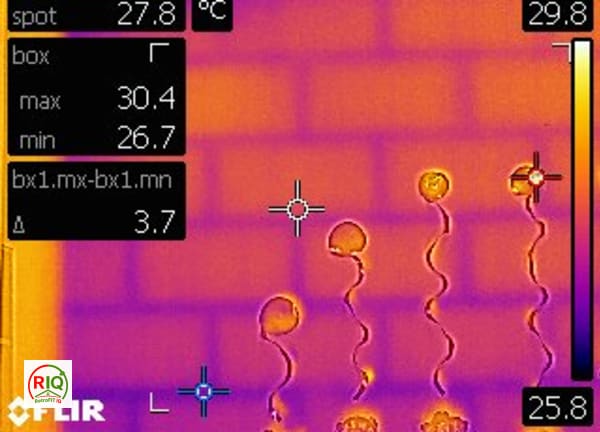
Thermal Bridging Visible Through Masonry Blockwork Wall

Sample Building Performance Investigation Report — Thermal Imaging

Thermal Bridge at Internal Corner Wall Junction

Airtightness Testing in a Stratford Victorian Terrace
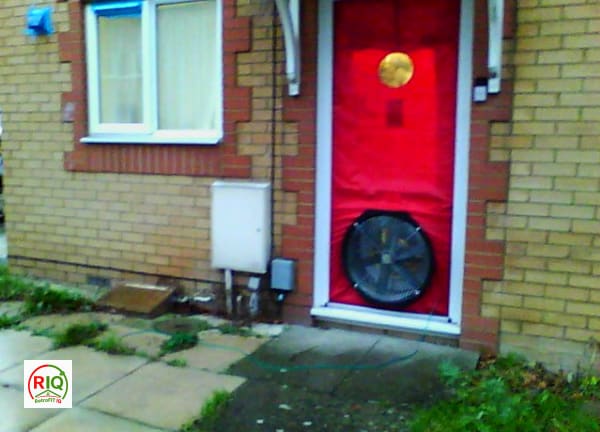
Blower Door Airtightness Test Setup
No related investigations yet.
Browse all investigationsFrequently asked questions
Why do my window frames get damp and mouldy?+
Usually because the reveal and frame run cold and humid room air condenses on them, keeping them damp enough for mould. It looks like a leak but is condensation on a cold surface.
Is mould around the window a sign of a leak?+
Usually not. A leak tracks rainfall and an external defect; condensation tracks cold weather and humidity and concentrates on the cold reveal. The pattern tells them apart.
Why is the reveal damp but the glass clear?+
If the glazing is newer and warmer, the reveal may now be the coldest surface, so condensation forms there instead of on the glass.
Will sealing the window stop the mould?+
Not if the cause is condensation. Sealant addresses leaks; cold-reveal condensation needs the reveal warmed and the room ventilated.
How do I stop mould around my windows permanently?+
Insulate and seal the cold reveal to raise its surface temperature, and ventilate to lower humidity, so the surface no longer crosses the dew point.
Why is the paint peeling around my window?+
Persistent condensation dampness on the reveal lifts the paint. It confirms the surface is regularly wet from condensation.
How do you diagnose damp window frames?+
We confirm it is condensation, map the cold reveal with thermal imaging, measure surface humidity and dew point, and assess ventilation, then recommend warming the reveal and improving ventilation.
Stop guessing — find the real cause
Do not spend money fixing symptoms before you understand the cause. Every home behaves differently, and the only reliable way to know what is happening in yours is professional building performance diagnostics. At RetrofitIQ we verify buildings using the right combination of investigations:
- Thermal imaging
- Blower door testing
- Moisture & dew point readings
- Ventilation review
- Building physics assessment
- Passive House methodology