
Why is my house cold even with the heating on?
When the heating is on but the house still feels cold, it is tempting to blame the boiler. Far more often, the building is losing heat through its fabric — walls, windows, roof and air leakage — as fast as the heating can supply it. The system is working; it is simply pouring warmth into a building that cannot hold it. Understanding that balance is the key to a home that finally feels warm.
 Reviewed by George Sora, Certified Passive House DesignerUpdated June 2026
Quick answer & key takeaways
8 min read- Heating on but still cold usually means the fabric is losing heat as fast as the system supplies it.
- Cold radiant surfaces — uninsulated walls and windows — make a room feel cold even when the air is warm.
- Air leakage replaces heated air with cold air, so warmth never accumulates.
- A bigger boiler rarely fixes it; reducing heat loss does.
- It is a building-physics balance: heat input versus heat loss, plus how warm the surfaces are.
- Biggest misconception: the heating must be faulty or too small. Usually the building loses heat too fast.
- Retrofit IQ's approach: measure heat loss, cold surfaces and air leakage before changing anything.
What this usually means
A home feels warm when two things are true: the air is at a comfortable temperature, and the surfaces around you are warm enough not to draw heat from your body. Heating supplies energy to the room; the building loses energy to the outside through its walls, windows, roof, floor and through air leakage. When loss keeps pace with supply, the air struggles to reach temperature, and even if it does, cold surfaces keep the room feeling chilly. So 'cold with the heating on' is the signature of a building losing heat too fast, not of a heating system that has failed.
Radiant comfort is the part people most often miss. You do not just feel the air temperature; you exchange heat with the surfaces around you. Stand near a large, cold, uninsulated wall or single-glazed window and your body radiates heat to it, so you feel cold even if a thermometer reads a comfortable air temperature. This is why a room with warm air can still feel cold, and why warming the surfaces — through insulation and better glazing — often does more for comfort than turning the heating up.
Air leakage compounds the problem. In a draughty home, warm air the heating has produced escapes and is replaced by cold air that must be heated from scratch. The heating is effectively trying to warm a moving target, so warmth never accumulates and the running cost climbs. The honest answer to 'why is my house cold even with the heating on?' is therefore about the building: how fast it loses heat through its fabric and air leakage, and how cold its surfaces are — all of which are measurable.
Common causes
High fabric heat loss
Uninsulated or poorly insulated walls, roof and floor let heat escape as fast as the system supplies it, so the room never gets ahead.
Cold radiant surfaces
Large cold surfaces — solid walls, single glazing — draw heat from occupants, making the room feel cold even when the air is warm.
Air leakage
Draughts carry heated air out and pull cold air in, so warmth is continually lost and replaced.
Thermal bridges
Cold junctions and lintels create local cold spots that feel chilly and add to overall heat loss.
Undersized or unbalanced heat emitters
Radiators too small for the heat loss, or poorly balanced, can leave rooms short of heat — though the fabric loss is usually the bigger factor.
Intermittent heating of a leaky home
A home that loses heat fast cools quickly between heating periods, so it rarely feels consistently warm.
Signs and symptoms
Warm air but a cold feel
A thermostat reading a comfortable temperature while the room still feels cold points to cold radiant surfaces rather than a heating fault.
Rooms that cool quickly when heating stops
Rapid cooling after the heating switches off indicates high heat loss through fabric and air leakage.
Cold walls and draughts at the same time
Cold surfaces combined with felt draughts are the classic fabric-and-leakage combination behind this complaint.
Heating running constantly with little effect
A system that runs and runs without the home warming up shows loss is keeping pace with supply.
Cold near windows and external walls
Noticeable chill near glazing and external walls reflects their low surface temperature drawing heat away.
What most people check first
- Whether the cold feeling persists even when the air is at a normal temperature (radiant comfort).
- How quickly the home cools when the heating switches off.
- Whether walls, windows and floors feel cold to the touch.
- Whether draughts are felt at the same time, indicating air leakage.
What most people miss
- That radiant heat loss to cold surfaces makes a room feel cold even when the air is warm.
- That a bigger boiler does not fix a building that loses heat too fast.
- That air leakage continually replaces heated air with cold, undermining the heating.
- That the cure is usually fabric and airtightness, measured first, not more heating output.
The building physics
Room temperature is the result of an energy balance: the heating adds power, and the building loses power to the outside at a rate set by its fabric and air leakage. The fabric loss depends on the area of each element (wall, roof, window, floor) and its U-value — how readily it conducts heat — multiplied by the temperature difference. The air-leakage loss depends on how much warm air escapes and is replaced by cold. If the total loss is high, the heating input has to be large just to hold temperature, and between heating periods the room cools quickly. Reducing the loss is what lets a modest heat input keep the home warm.
Comfort, though, is not only about air temperature. The human body exchanges heat with its surroundings by radiation as well as convection, so the temperature of the surrounding surfaces matters as much as the air. The 'mean radiant temperature' of a room — the average of the surface temperatures around you — combines with the air temperature to determine how warm you feel. A room with warm air but cold walls and windows has a low mean radiant temperature and feels cold; warming those surfaces raises comfort without raising the air temperature at all.
This is why fabric improvements so often outperform heating upgrades for this complaint. Insulating walls and roof raises their inside surface temperature and cuts the conducted loss; better glazing warms the largest cold surfaces; treating thermal bridges removes local cold spots; and improving airtightness stops heated air leaking away. Each measure both reduces the heat the building loses and raises the mean radiant temperature, so the home reaches comfort sooner, holds it longer and feels warmer at the same air temperature. Measuring heat loss, surface temperatures and air leakage shows exactly where the gains are — which is why investigation comes before any spend on heating or fabric.
How to make a cold-feeling home warm
The aim is to reduce how fast the building loses heat and to warm its surfaces, so the heating you already have can keep the home comfortable. Measure first, then target the biggest losses.
- 01
Measure the heat loss and cold surfaces
Use thermal imaging, surface-temperature readings and a heat-loss assessment to find where the building loses heat and which surfaces feel coldest.
- 02
Reduce air leakage
Find and seal the uncontrolled leakage (with a blower door test) so heated air is no longer continually replaced by cold air — while keeping controlled ventilation.
- 03
Warm the surfaces with insulation
Insulate the walls, roof and floor and improve glazing where it is the weak point, raising surface temperatures and cutting conducted loss.
- 04
Treat thermal bridges
Address cold junctions and lintels that create local cold spots and add to the overall loss.
- 05
Then optimise the heating
With heat loss reduced, ensure emitters are correctly sized and balanced and controls are sensible — now the system can hold comfort easily.
- 06
Verify the improvement
Re-measure surface temperatures and how the home holds heat, confirming it now feels warm and stays warm at a reasonable input.
How to prevent it coming back
- Prioritise fabric and airtightness before assuming the heating needs upgrading.
- Warm the largest cold surfaces — walls and windows — to raise radiant comfort.
- Keep uncontrolled air leakage low while maintaining controlled ventilation.
- Address thermal bridges during any insulation work to avoid cold spots.
- Size and balance heat emitters to the home's actual, reduced heat loss.
How Retrofit IQ investigates this
We measure why the home stays cold — fabric loss, cold surfaces and air leakage — before recommending insulation, airtightness or heating changes.
Do not spend money fixing symptoms before you understand the cause — investigate first, then build with confidence.
Do I need a professional investigation?
It is worth measuring when a home stays cold despite the heating running, when it cools quickly after the heating stops, or before deciding whether to upgrade the heating or the fabric. An investigation shows whether the problem is genuinely the system or — far more often — a building losing heat too fast, so money goes to the right fix.
This is especially valuable before any boiler or heat-pump change, because a heating system sized to a leaky, poorly insulated home will be larger, more expensive and less comfortable than one serving a building whose heat loss has first been reduced.
Where to go next
Relevant services
Related comparisons
From the Academy
Related case studies
Evidence from Real Projects (26)
Real project and investigation images from our own fieldwork, matched to this page — not stock photography.

Sample Building Performance Investigation Report — Thermal Imaging
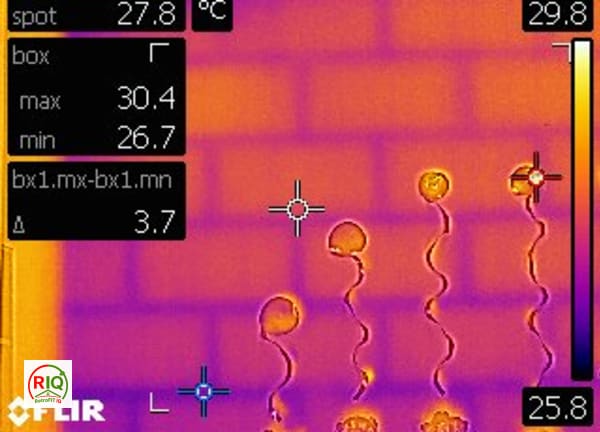
Thermal Bridging Visible Through Masonry Blockwork Wall
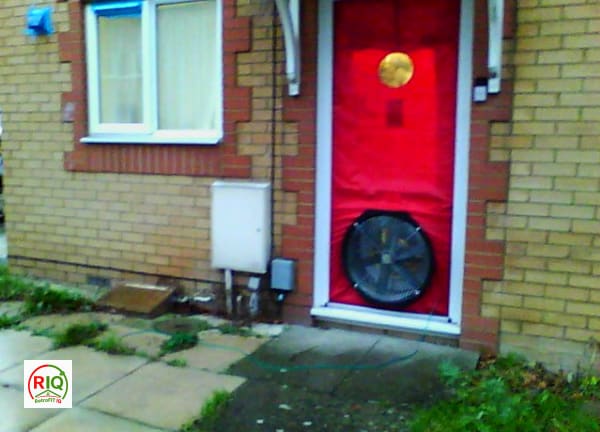
Blower Door Airtightness Test Setup

Thermal Bridge at Internal Corner Wall Junction

Thermal Bridge at Wall-Ceiling Junction Near Window

Ceiling / external-wall junction
No related investigations yet.
Browse all investigationsFrequently asked questions
Why is my house cold even with the heating on?+
Usually because the building loses heat through its fabric and air leakage as fast as the system supplies it, and because cold surfaces make the room feel cold even when the air is warm. The heating is working; the building cannot hold the heat.
Will a bigger boiler make my house warmer?+
Rarely. A bigger boiler can push more heat in, but if the building loses heat too fast it will still feel cold and cost more to run. Reducing heat loss and warming surfaces is the durable fix.
Why does a room feel cold when the thermostat says it's warm?+
Because you exchange heat with the surfaces around you, not just the air. Cold walls and windows draw heat from your body, so a room with warm air but cold surfaces still feels cold.
Why does my house cool down so quickly?+
Rapid cooling indicates high heat loss through poorly insulated fabric and air leakage. The home cannot retain the heat the system produced, so it cools fast once heating stops.
Is it the heating or the building that's the problem?+
Most often the building. Measuring heat loss, surface temperatures and air leakage shows whether the system is genuinely inadequate or — far more commonly — the fabric loses heat too fast.
What's the most effective fix?+
Reduce air leakage and insulate to warm the surfaces and cut heat loss, then ensure the heating is correctly sized and balanced. This makes the home reach and hold comfort at a reasonable cost.
How do you find out why my house stays cold?+
We use thermal imaging, a heat-loss assessment, blower door testing and surface-temperature readings to identify where the building loses heat and feels cold, then prioritise the measures that deliver comfort.
Stop guessing — find the real cause
Do not spend money fixing symptoms before you understand the cause. Every home behaves differently, and the only reliable way to know what is happening in yours is professional building performance diagnostics. At RetrofitIQ we verify buildings using the right combination of investigations:
- Thermal imaging
- Blower door testing
- Moisture & dew point readings
- Ventilation review
- Building physics assessment
- Passive House methodology