
Why is my house cold in the morning?
A house that feels cold every morning, even though it was warm the evening before, is losing the night's heat faster than it should. When the heating goes off overnight, a well-insulated, airtight home holds much of its warmth until morning, while a leaky, poorly insulated one sheds it quickly and is chilly by dawn. So a cold morning is less about the heating itself than about how well the building retains heat — its insulation, airtightness and the warmth stored in its fabric. Reaching for a longer heating timer treats the symptom; understanding why the heat disappears overnight points to the fix that makes mornings comfortable and cuts the cost of getting there.
 Reviewed by George Sora, Certified Passive House DesignerUpdated June 2026
Quick answer & key takeaways
8 min read- A cold morning means the home loses the night's heat too quickly.
- How long warmth lasts overnight depends on insulation, airtightness and stored heat.
- A leaky, poorly insulated home sheds heat fast once the heating is off.
- Running the heating longer masks the cause; better fabric is the real fix.
- Biggest misconception: it's the boiler or timer. It's usually how fast the fabric loses heat.
- Retrofit IQ's approach: find where the overnight heat escapes, then improve the fabric.
What this usually means
When the heating switches off for the night, a home begins to cool, and how cold it is by morning depends on how fast it loses that stored heat. The rate of cooling is set by the fabric: a home with good insulation and airtightness loses heat slowly, so it stays reasonably warm through the night and is comfortable in the morning; a home with thin insulation, cold surfaces and air leakage loses heat quickly, so the warmth has largely gone by dawn and the house feels cold. The morning chill is therefore a direct readout of the building's heat-retention — the same property that governs its heating bills.
Several fabric weaknesses drive a fast overnight cooling. Poorly insulated walls, roof and floor let heat conduct away continuously through the night; air leakage replaces the warm internal air with cold outside air, accelerating the loss, especially when overnight winds drive the infiltration; and cold internal surfaces hold little warmth, so there is little stored heat in the fabric to keep the rooms comfortable. Homes with a lot of exposed surface or large areas of poor glazing cool fastest. The heating system's settings matter at the margin — when it turns off and on — but they cannot change how quickly the building loses heat once it is off, which is what determines the morning temperature.
This is why the durable answer is to improve the fabric rather than simply to heat for longer. Running the heating through the night, or starting it earlier, can keep the house warmer by morning, but it does so by pouring in more heat to replace what is escaping — comfortable, but expensive, and a sign the underlying losses are high. Improving the insulation, sealing the air leakage and warming the cold surfaces slow the overnight cooling so the home holds its heat naturally, staying warmer until morning with less heating. An assessment that finds where the heat escapes overnight — which surfaces are cold, where the air leaks, how fast the home loses heat — is what allows the fabric to be improved precisely, turning a cold-morning house into one that keeps its warmth.
Common causes
Poor insulation
Thin insulation in the walls, roof and floor lets heat conduct away through the night.
Air leakage
Gaps in the envelope replace warm air with cold outside air, accelerating the overnight loss.
Cold surfaces with little stored heat
Cold internal surfaces hold little warmth, so rooms cool quickly once heating stops.
Large exposed or glazed areas
Lots of exposed surface or poor glazing loses heat fast overnight.
Heating off too long for the fabric
A long off-period only matters because the fabric loses heat so quickly.
Signs and symptoms
Warm at night, cold by morning
A big overnight temperature drop shows the home loses heat quickly.
Cold surfaces in the morning
Cold walls and floors at dawn indicate poor insulation and little stored heat.
Draughts felt overnight
Air leakage carrying heat out is worse on windy nights.
Heating takes a long time to recover
A slow morning warm-up reflects high heat loss the heating must overcome.
High bills to stay warm in the morning
Needing long heating runs to be comfortable by morning signals high losses.
What most people check first
- How much the temperature drops between night and morning.
- Whether the walls, floor and surfaces are cold in the morning.
- Whether draughts and air leakage worsen the overnight loss.
- Whether the heating is masking the loss by running long.
What most people miss
- That a cold morning is a heat-retention problem, not a boiler one.
- That air leakage accelerates overnight cooling, especially in wind.
- That heating longer masks high losses at extra cost.
- That improving the fabric keeps warmth in naturally.
The building physics
When heating ceases, a building cools towards the outside temperature at a rate governed by its heat-loss coefficient and its effective thermal capacity. The heat-loss coefficient — the sum of the fabric (conductive) losses through walls, roof, floor and glazing and the ventilation or infiltration losses — sets how fast heat leaves; the thermal capacity, the heat stored in the warm internal mass, sets how much warmth there is to lose. A home with a high heat-loss coefficient and low effective stored heat cools rapidly, so its temperature falls steeply overnight and it is cold by morning; a well-insulated, airtight home with warm internal surfaces cools slowly and stays comfortable. The morning temperature is thus a direct expression of these two fabric properties.
Infiltration is a particularly important and often underestimated term overnight. Air leakage through the envelope is driven by wind and by the stack effect, both of which can be strong at night, so a leaky home exchanges its warm air for cold outside air repeatedly through the night, adding to the conductive losses and accelerating the cooling. Cold internal surfaces compound the problem in two ways: they indicate poor insulation and high conductive loss, and they store little heat, so there is little fabric warmth to sustain comfort once the air cools. Large glazed and exposed areas, with their higher U-values and surface area, raise the heat-loss coefficient further, which is why such homes feel coldest in the morning.
The heating schedule acts only on the boundary conditions — when heat is supplied — and cannot alter the cooling rate, so it can compensate for poor retention only by supplying more heat for longer, at proportionally higher cost. Reducing the heat-loss coefficient through insulation and air-sealing, and raising the effective stored heat by warming the surfaces, slows the overnight cooling so the home retains its warmth with less input. A diagnostic that quantifies the heat loss, maps the cold surfaces with thermal imaging and measures the air leakage with a blower door test identifies which terms dominate the overnight loss, allowing the fabric to be improved where it most affects morning comfort — the efficient alternative to extending the heating against a fast-cooling building.
How to stop your house being cold in the morning
Slow the overnight heat loss rather than heating for longer: improve the insulation, seal the air leakage, and warm the cold surfaces so the home holds its warmth until morning.
- 01
Assess the overnight heat loss
Measure how fast the home loses heat and through which surfaces, separating fabric from schedule.
- 02
Improve the insulation
Insulate the walls, roof and floor so less heat conducts away through the night.
- 03
Seal the air leakage
Close the gaps that let warm air out and cold air in, worse on windy nights.
- 04
Warm the cold surfaces
Raise surface temperatures so the fabric holds more warmth overnight.
- 05
Set the heating sensibly
Use controls to suit the improved fabric rather than to mask high losses.
- 06
Verify the improvement
Confirm the overnight temperature drop has reduced and mornings are warmer for less heating.
How to prevent it coming back
- Insulate and air-seal so the home retains heat overnight.
- Address air leakage that accelerates cooling in wind.
- Keep surfaces warm to store heat in the fabric.
- Improve the fabric rather than extending the heating to compensate.
How Retrofit IQ investigates this
We find where the home loses its heat overnight so the fabric can be improved to retain warmth rather than the heating extended.
Do not spend money fixing symptoms before you understand the cause — investigate first, then build with confidence.
Do I need a professional investigation?
If the house is cold every morning despite being warm the night before, or you are running the heating long and early to compensate, it is worth investigating where the overnight heat escapes. Measuring the heat loss, mapping the cold surfaces and the air leakage shows which fabric weaknesses drive the fast cooling, so insulation and sealing can be targeted to keep the warmth in — comfortable mornings for less heating.
Where to go next
Relevant services
Related comparisons
From the Academy
Related case studies
Evidence from Real Projects (27)
Real project and investigation images from our own fieldwork, matched to this page — not stock photography.
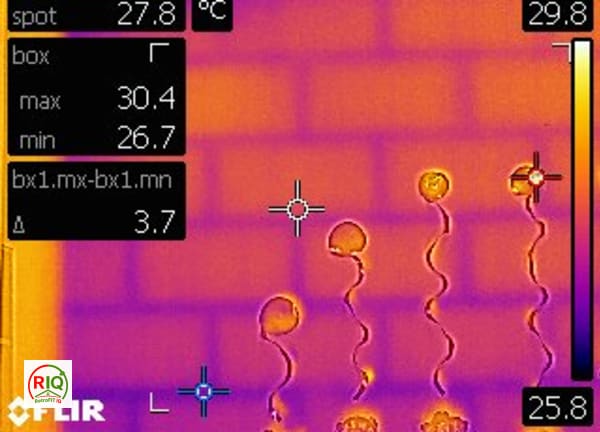
Thermal Bridging Visible Through Masonry Blockwork Wall

Sample Building Performance Investigation Report — Thermal Imaging

Thermal Bridge at Internal Corner Wall Junction
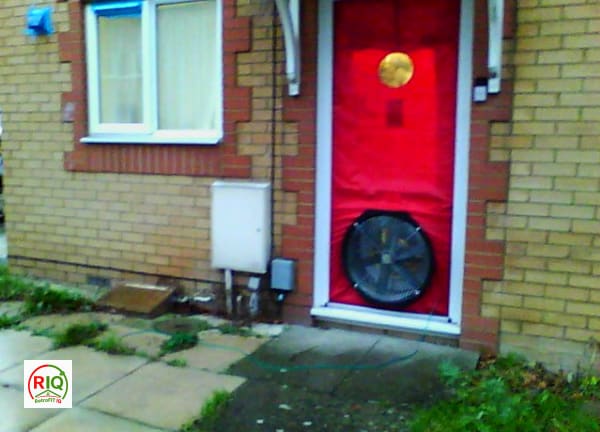
Blower Door Airtightness Test Setup

Thermal Bridge at Wall-Ceiling Junction Near Window

Internal door head and reveal next to a framed picture on a warmer external wall
No related investigations yet.
Browse all investigationsFrequently asked questions
Why is my house cold in the morning?+
Because it loses the night's heat too quickly. When the heating goes off, a well-insulated, airtight home holds its warmth until morning, while a leaky, poorly insulated one sheds it fast and is cold by dawn. So a cold morning is mainly about how well the fabric retains heat — its insulation, airtightness and stored warmth — not the boiler or timer.
Should I just leave the heating on overnight?+
That will keep the house warmer by morning, but only by pouring in more heat to replace what is escaping — comfortable but expensive, and a sign the losses are high. Improving the insulation and airtightness so the home holds its heat naturally is the more cost-effective fix.
Why does my house cool down so fast at night?+
Because the rate of cooling depends on how fast the fabric loses heat and how much warmth it has stored. Thin insulation, air leakage and cold surfaces all speed up the loss, and overnight wind drives infiltration, so a leaky, poorly insulated home cools quickly once the heating is off.
Is it the boiler or timer that's the problem?+
Usually neither. The heating settings decide when heat is supplied, but they cannot change how fast the building loses heat once it is off — which is what sets the morning temperature. A cold morning points to the fabric's heat retention rather than the heating system itself.
Does air leakage really matter overnight?+
Yes, often a lot. Air leakage replaces warm internal air with cold outside air, and it is driven by wind and the stack effect, both of which can be strong at night. Sealing the leakage noticeably slows the overnight cooling, especially on windy nights.
How do you find where the heat is escaping?+
We measure how fast the home loses heat, map the cold surfaces and insulation defects with thermal imaging, and measure the air leakage with a blower door test, while logging the overnight temperature drop — which shows which fabric weaknesses drive the fast cooling so they can be targeted.
Stop guessing — find the real cause
Do not spend money fixing symptoms before you understand the cause. Every home behaves differently, and the only reliable way to know what is happening in yours is professional building performance diagnostics. At RetrofitIQ we verify buildings using the right combination of investigations:
- Thermal imaging
- Blower door testing
- Moisture & dew point readings
- Ventilation review
- Building physics assessment
- Passive House methodology