
Why does my house take so long to heat up?
A home that takes a long time to warm up is fighting two things at once: heat escaping through its fabric and air leakage, and cold surfaces that have to be warmed before the room feels comfortable. The heating is doing work, but much of it is replacing losses or warming up cold mass rather than heating the room. Understanding why warming is slow points straight to how to make it faster.
 Reviewed by George Sora, Certified Passive House DesignerUpdated June 2026
Quick answer & key takeaways
8 min read- Slow warming usually means heat is being lost almost as fast as it is supplied.
- Cold surfaces and cold thermal mass must be warmed before the room feels comfortable.
- Air leakage drains warmth continuously, extending the time to reach temperature.
- Reducing heat loss and warming surfaces makes a home heat up faster and stay warm.
- It is not usually a sign the heating is too small, but that the building loses too much.
- Biggest misconception: turning the thermostat higher heats the room faster. It does not.
- Retrofit IQ's approach: measure heat loss, air leakage and surface temperatures to find the delay's cause.
What this usually means
How quickly a home warms up depends on how much of the heating's output actually goes into raising the room temperature, rather than being lost or absorbed elsewhere. In a home that warms slowly, a large share of the heat is escaping through the fabric and air leakage as fast as it is produced, and another share is being soaked up warming cold surfaces and cold structure. Only what is left raises the air temperature — so the room creeps towards comfort instead of reaching it quickly.
Cold surfaces are a particular drag at the start of a heating period. A room's walls, floor and contents have absorbed the cold and must be warmed before the space feels comfortable, because you sense the surface temperatures as well as the air. In a poorly insulated home those surfaces are large, cold and constantly losing heat to the outside, so warming them is slow and never quite completes. In a well-insulated home the surfaces are already closer to room temperature and warm quickly.
Air leakage stretches the process out further. Every draught removes warm air and brings in cold, so the heating is partly reheating fresh cold air rather than building up warmth. The combined effect — fabric loss, cold surfaces and leakage — is a home that takes a long time to feel warm and loses that warmth quickly once the heating stops. Turning the thermostat up does not speed this up; it only sets a higher target, while the rate of warming is fixed by the balance of input and loss.
Common causes
High fabric heat loss
Poor insulation means heat escapes nearly as fast as it is supplied, so the room warms slowly and incompletely.
Cold surfaces and thermal mass
Cold walls, floors and structure must be warmed first, absorbing heat that would otherwise raise the air temperature.
Air leakage
Draughts continually replace warm air with cold, so the heating spends effort reheating incoming air.
Undersized or unbalanced emitters
Radiators too small or poorly balanced deliver heat slowly to some rooms, though fabric loss is usually the larger factor.
Intermittent heating from cold
Letting a leaky, poorly insulated home go fully cold means each heating period starts from a large deficit.
Signs and symptoms
Long lag before the room feels comfortable
A noticeable delay between switching on the heating and the room feeling warm indicates heat is being lost and surfaces are cold.
Rooms warm then cool fast when heating cycles off
Quick cooling between cycles shows the building cannot retain heat, so warming never gets ahead.
Some rooms warm far slower than others
Uneven warming can point to localised heat loss, cold external walls or undersized emitters in the slow rooms.
Cold walls and floors during warm-up
Surfaces that stay cold while the air warms reflect the cold mass and fabric loss delaying comfort.
Heating left on longer and longer
Needing to run the heating for extended periods to feel any benefit is a sign of high loss rather than a small system.
What most people check first
- How long the home takes to feel comfortable after the heating starts.
- How quickly it cools when the heating cycles off.
- Whether walls and floors stay cold during warm-up.
- Whether draughts are felt, indicating air leakage draining warmth.
What most people miss
- That turning the thermostat higher does not make a room warm up faster.
- That cold surfaces and structure absorb heat before the room feels warm.
- That air leakage extends warm-up by reheating incoming cold air.
- That reducing heat loss, not a bigger boiler, is what speeds warming.
The building physics
The rate at which a room warms is governed by the net heat available to raise its temperature — the heating output minus the rate of loss minus the heat absorbed by cold surfaces and structure. Early in a heating period, losses are at their greatest (because the inside-to-outside temperature difference is being established) and cold mass is soaking up heat, so the net available to warm the air is small and the room rises slowly. As surfaces warm and the system catches up, warming would accelerate — but in a high-loss home it may never fully get there, because loss keeps consuming the input.
Thermal mass plays a double role. Cold mass slows the initial warm-up because it must be heated first; but once warm, that same mass helps hold temperature. The problem in a poorly insulated, leaky home is that the mass sits behind little insulation and beside constant air leakage, so it both starts cold and keeps losing heat — the worst of both. Insulation changes this by keeping the internal surfaces and mass closer to room temperature and reducing the loss, so warm-up is quicker and the warmth is retained.
The thermostat is widely misunderstood here. It sets the target temperature, not the rate of heating; a boiler or heat pump delivers heat at its output regardless of whether the target is set to 21°C or 25°C, so turning it up does not warm the room faster — it only makes the system run longer to chase a higher (and less efficient) target. The genuine levers on warm-up speed are reducing heat loss (insulation and airtightness), warming the surfaces, and ensuring the emitters and controls suit the home. Measuring heat loss, air leakage and surface temperatures shows which of these is holding warm-up back.
How to make a home heat up faster
Speed comes from reducing what the heating has to fight: heat loss, cold surfaces and leakage. Measure where the delay comes from, then target the biggest contributor.
- 01
Find where heat is lost
Use thermal imaging and a heat-loss assessment to identify the fabric elements and surfaces draining heat and slowing warm-up.
- 02
Cut air leakage
Locate and seal uncontrolled leakage with a blower door test so the heating is not reheating incoming cold air — keeping controlled ventilation.
- 03
Insulate to warm surfaces
Insulate walls, roof and floor so surfaces stay closer to room temperature and less heat escapes, allowing faster, more complete warm-up.
- 04
Use heating controls sensibly
Set a sensible target temperature and use timing that suits the improved fabric, rather than turning the thermostat up to try to warm faster.
- 05
Right-size and balance emitters
Ensure radiators or emitters are adequate and balanced for each room so heat is delivered where it is slow.
- 06
Verify the improvement
Re-check how fast the home reaches comfort and how well it holds it, confirming the warm-up time has genuinely improved.
How to prevent it coming back
- Reduce heat loss and air leakage so warm-up is quick and warmth is retained.
- Keep internal surfaces warm through insulation so less heat is absorbed warming cold mass.
- Use sensible heating schedules suited to the home rather than constant overrides.
- Balance and size emitters to deliver heat evenly to all rooms.
- Avoid letting a poorly insulated home go fully cold between heating periods.
How Retrofit IQ investigates this
We measure what is slowing warm-up — fabric loss, leakage and cold surfaces — so the right improvement is made rather than the heating simply run harder.
Do not spend money fixing symptoms before you understand the cause — investigate first, then build with confidence.
Do I need a professional investigation?
Measuring is worthwhile when a home is persistently slow to warm, when warm-up is uneven between rooms, or before deciding whether to change the heating or improve the fabric. An investigation shows whether emitters are genuinely undersized or — more usually — the building loses heat too fast and has too much cold surface to warm.
Where to go next
Relevant services
Related comparisons
From the Academy
Related case studies
Evidence from Real Projects (26)
Real project and investigation images from our own fieldwork, matched to this page — not stock photography.

Sample Building Performance Investigation Report — Thermal Imaging
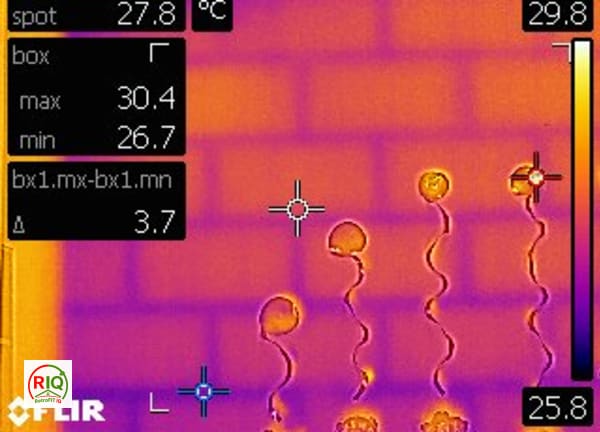
Thermal Bridging Visible Through Masonry Blockwork Wall
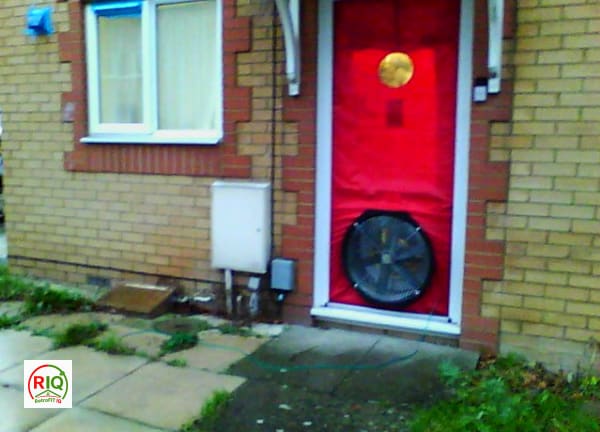
Blower Door Airtightness Test Setup

Thermal Bridge at Internal Corner Wall Junction

Thermal Bridge at Wall-Ceiling Junction Near Window
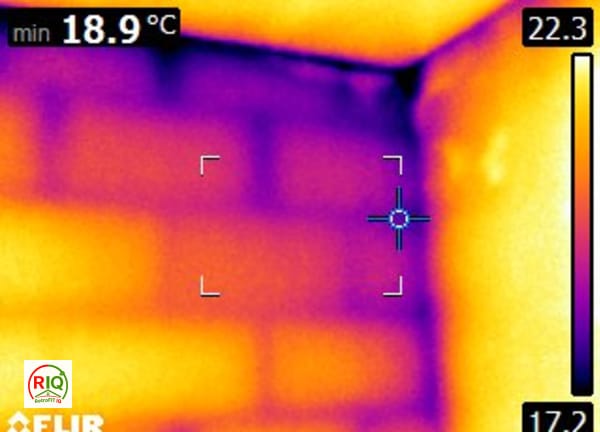
Cold wall surface vs warm ceiling
No related investigations yet.
Browse all investigationsFrequently asked questions
Why does my house take so long to heat up?+
Because heat is being lost through the fabric and air leakage almost as fast as it is supplied, and because cold surfaces and structure must be warmed before the room feels comfortable. Reducing heat loss is what speeds it up.
Does turning the thermostat up heat the house faster?+
No. The thermostat sets the target temperature, not the rate of heating. Turning it higher only makes the system run longer towards a higher target; it does not warm the room any faster.
Why do my rooms cool down so quickly after warming up?+
Because the building loses heat fast through poor insulation and air leakage, so the warmth it took a long time to build is quickly lost once the heating cycles off.
Is slow heating a sign my boiler is too small?+
Not usually. It is more often a sign the building loses too much heat. Measuring heat loss and air leakage shows whether the system is genuinely undersized or the fabric is the issue.
Will insulation make my house heat up faster?+
Yes. Insulation keeps surfaces warmer and cuts heat loss, so more of the heating goes into raising the room temperature and the home reaches comfort sooner and holds it longer.
Why does one room take much longer than the others?+
That room may have more heat loss — a large external wall, more glazing or air leakage — or an undersized or unbalanced radiator. Measuring identifies which.
How do you diagnose slow heating?+
We use thermal imaging, a heat-loss assessment, blower door testing and surface-temperature readings to find what competes with the heating, then prioritise the measures that speed warm-up.
Stop guessing — find the real cause
Do not spend money fixing symptoms before you understand the cause. Every home behaves differently, and the only reliable way to know what is happening in yours is professional building performance diagnostics. At RetrofitIQ we verify buildings using the right combination of investigations:
- Thermal imaging
- Blower door testing
- Moisture & dew point readings
- Ventilation review
- Building physics assessment
- Passive House methodology