
Why is my heat pump not keeping my house warm?
A heat pump that cannot keep a home warm is almost never a faulty heat pump — it is usually a mismatch between the system and the building. Heat pumps deliver heat at a lower flow temperature than a gas boiler, so they rely on the home losing heat slowly, on emitters sized to give out enough heat at that lower temperature, and on a correct heat-loss design behind the installation. When a home is colder than expected after a heat pump goes in, the cause is normally one of three things: the heat loss was higher than the system was sized for, the radiators or underfloor circuits are too small to emit enough heat at low flow temperatures, or the system has been set up or controlled badly. Each is diagnosable, and each points to a different fix.
 Reviewed by George Sora, Certified Passive House DesignerUpdated June 2026
Quick answer & key takeaways
7 min read- A struggling heat pump is usually a design or building problem, not a faulty unit.
- Heat pumps run at lower flow temperatures, so emitters must be sized accordingly.
- Under-sizing, undersized radiators and poor set-up are the common causes.
- An accurate heat-loss calculation should precede any heat pump installation.
- Biggest misconception: turn the heat pump up like a boiler. It works differently.
- RetrofitIQ's approach: measure the heat loss and emitter sizing to find the real fault.
What this usually means
Heat pumps and gas boilers heat a home in fundamentally different ways. A boiler can run radiators very hot intermittently; a heat pump is most efficient when it runs steadily at a much lower flow temperature, so the heat it delivers depends heavily on having enough emitter surface — bigger radiators or underfloor heating — to give that heat out, and on the home not losing heat faster than the pump can replace it. If any link in that chain is wrong, the house struggles. So 'the heat pump isn't keeping up' is really a question about how well the building, the emitters and the controls were matched to the heat pump.
The most common underlying issue is that the home's heat loss is higher than assumed. A heat pump sized from a rough estimate, or installed without a proper room-by-room heat-loss calculation, may simply be too small for a leaky, under-insulated house in cold weather — or the radiators, left over from the boiler, are far too small to emit the required heat at low flow temperatures. Either way the home cannot reach temperature on cold days. The second issue is set-up and controls: heat pumps work best left running with weather compensation, not switched on and off like a boiler, and a system left on boiler-style controls or with the flow temperature set wrong will underperform and cost more.
The way to resolve it is to measure rather than blame the unit. A heat-loss assessment establishes what the house actually needs at design conditions; checking emitter outputs against the flow temperature shows whether the radiators or underfloor circuits can deliver it; and reviewing the controls and flow-temperature settings reveals set-up faults. Sometimes the answer is improving the fabric — insulation and airtightness reduce the heat loss so the existing system copes; sometimes it is upsizing emitters; sometimes it is simply correcting the controls. The point is that a cold home with a heat pump is a solvable design problem, not evidence that heat pumps 'don't work'.
Common causes
Heat loss higher than designed
An under-sized system or under-insulated home can't reach temperature in the cold.
Undersized emitters
Old radiators too small to emit enough heat at low flow temperatures.
Poor set-up and controls
Boiler-style on/off use or wrong flow temperature undermines performance.
No proper heat-loss design
Installation without a room-by-room calculation leads to mismatch.
Signs and symptoms
House never reaches temperature in cold weather
Suggests the system or emitters are undersized for the heat loss.
Lukewarm radiators
Normal for a heat pump, but they must be large enough to compensate.
Some rooms warm, others cold
Points to emitter sizing or balancing, not the heat pump itself.
High running cost and poor warmth
Indicates a high flow temperature or poor controls reducing efficiency.
What most people check first
- Whether a proper room-by-room heat-loss calculation was done.
- Whether the radiators or underfloor circuits are sized for low flow temperatures.
- Whether the flow temperature and weather compensation are set correctly.
- Whether the home's heat loss is higher than the system was sized for.
What most people miss
- That heat pumps need bigger emitters than boilers, not hotter ones.
- That under-insulation, not the pump, is often the real limit.
- That heat pumps should run steadily, not switch on and off.
- That a heat-loss calculation should drive the whole design.
The building physics
A heat pump's output and efficiency both fall as the required flow temperature rises, so the whole point of a good design is to keep the flow temperature low — typically well below boiler temperatures — while still delivering enough heat. That only works if the emitters are large enough, because a radiator's output drops sharply at lower flow temperatures, and if the building's heat loss is low enough that the steady low-temperature output matches demand on the coldest design day. When a heat pump is bolted onto a high-heat-loss house with the old, undersized radiators, the physics simply do not add up: the emitters cannot give out the heat at the low temperature, so either the house stays cold or the installer pushes the flow temperature up, which ruins efficiency and running cost.
Diagnosing a struggling heat pump therefore means quantifying the heat loss and comparing it with both the system capacity and the installed emitter outputs at the actual flow temperature, then checking the controls. A room-by-room heat-loss calculation gives the demand; emitter output tables give the supply at a given flow temperature; thermal imaging and a blower door test reveal whether the fabric loss and leakage are higher than assumed. The remedy follows from the numbers — reduce the heat loss with insulation and airtightness, upsize the emitters, correct the flow temperature and weather compensation, or a combination. This is why fabric-first matters with heat pumps: lowering the heat loss lets the system run cooler, cheaper and warmer, and is often the most cost-effective fix when a heat pump cannot keep up.
How to fix a heat pump that won't keep the house warm
Measure the heat loss and emitter sizing, correct the controls and flow temperature, and reduce the fabric loss where needed so the system can run cool, cheap and warm.
- 01
Get a heat-loss calculation
Establish the home's real demand room by room at design conditions.
- 02
Check emitter sizing
Compare radiator or underfloor output against the low flow temperature.
- 03
Correct the controls
Set weather compensation and let the system run steadily, not on/off.
- 04
Reduce the heat loss
Improve insulation and airtightness so the system can keep up.
- 05
Upsize emitters where needed
Fit larger radiators or underfloor heating where output is too low.
- 06
Verify warmth and efficiency
Confirm the home reaches temperature at a low, efficient flow temperature.
How to prevent it coming back
- Always base a heat pump on a room-by-room heat-loss calculation.
- Size emitters for low flow temperatures before installation.
- Improve the fabric first where heat loss is high.
- Set up weather compensation and avoid boiler-style on/off use.
How Retrofit IQ investigates this
We measure the heat loss and emitter sizing behind an underperforming heat pump to find the real fault.
Do not spend money fixing symptoms before you understand the cause — investigate first, then build with confidence.
Do I need a professional investigation?
If a heat pump is not keeping your home warm, or is warm but expensive, it is worth an independent heat-loss assessment and emitter review before blaming the unit. Measuring the demand, the emitter sizing and the fabric loss reveals whether the fix is better controls, bigger emitters or reduced heat loss — so the system finally runs cool, cheap and warm.
Find out why your heating isn't delivering
Before upsizing radiators or blaming the heat pump, measure the heat loss and emitter sizing — the real cause is usually the building, not the boiler.
- Room-by-room heat-loss assessment
- Emitter & flow-temperature review
- Fabric-first plan to cut bills
Where to go next
Relevant services
Related comparisons
From the Academy
Related case studies
Related problems you may also have
Evidence from Real Projects (18)
Real project and investigation images from our own fieldwork, matched to this page — not stock photography.
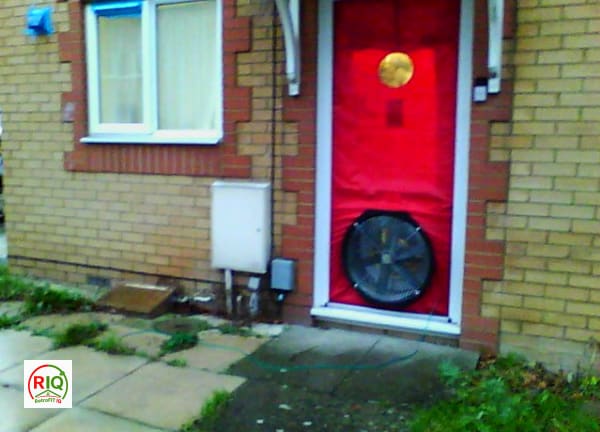
Blower Door Airtightness Test Setup
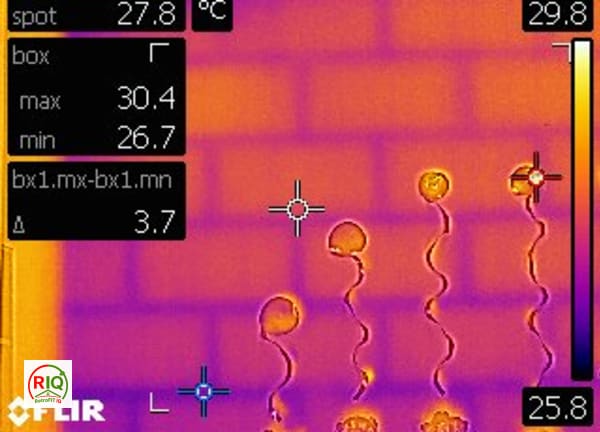
Thermal Bridging Visible Through Masonry Blockwork Wall

Sample Building Performance Investigation Report — Thermal Imaging
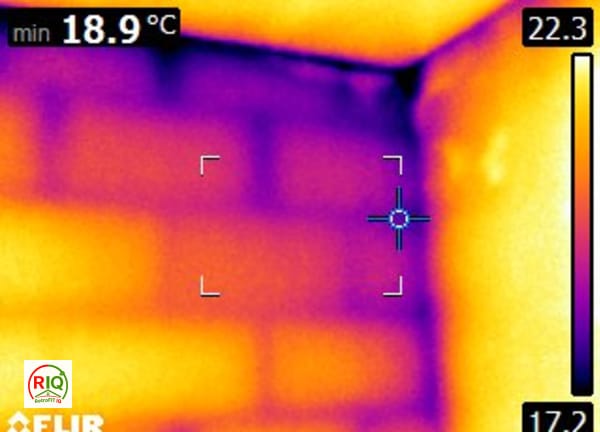
Cold wall surface vs warm ceiling

Thermal Bridge at Internal Corner Wall Junction

Thermal Bridge at Wall-Ceiling Junction Near Window
No related investigations yet.
Browse all investigationsFrequently asked questions
Why is my heat pump not keeping my house warm?+
Usually because the system, the emitters or the building don't match. Heat pumps run at low flow temperatures, so they need radiators or underfloor heating large enough to emit the heat, and a home that doesn't lose heat faster than the pump can replace it. Under-sizing, undersized radiators or poor controls are the common causes — not a faulty unit.
Should I turn my heat pump up like a boiler?+
No. Heat pumps work best running steadily at a low flow temperature with weather compensation, not switched on and off or cranked up. Pushing the flow temperature up to force more heat wrecks efficiency and running cost. If it can't keep up at a sensible flow temperature, the emitters or fabric are usually the issue.
Are my radiators too small for a heat pump?+
Quite possibly. Radiators left over from a gas boiler are often far too small to give out enough heat at a heat pump's lower flow temperature. Comparing their output at the actual flow temperature with the room's heat loss shows whether they need upsizing.
Will more insulation help my heat pump?+
Often it's the most cost-effective fix. Reducing the heat loss with insulation and airtightness lowers the demand, so the heat pump can run cooler, cheaper and warmer with the existing emitters. That's why fabric-first matters with heat pumps.
How do I know what's actually wrong?+
Measure it. A room-by-room heat-loss calculation, an emitter and flow-temperature review, and thermal imaging and an airtightness test reveal whether the problem is controls, emitter sizing or fabric loss — so the right fix is chosen rather than guessed.
Stop guessing — find the real cause
Do not spend money fixing symptoms before you understand the cause. Every home behaves differently, and the only reliable way to know what is happening in yours is professional building performance diagnostics. At RetrofitIQ we verify buildings using the right combination of investigations:
- Thermal imaging
- Blower door testing
- Moisture & dew point readings
- Ventilation review
- Building physics assessment
- Passive House methodology