
Is my house ready for a heat pump?
A heat pump can heat almost any home, but it works efficiently and affordably only in one that loses heat slowly and can be warmed with low-temperature water. So the real question is not whether a heat pump will fit, but whether your house is ready to run on the gentle, steady, low flow temperatures heat pumps prefer. That depends on your fabric — insulation and airtightness — and on your radiators and system being sized for low-temperature heat. Getting this right first is what makes a heat pump cheap to run rather than disappointing.
 Reviewed by George Sora, Certified Passive House DesignerUpdated June 2026
Quick answer & key takeaways
7 min read- A heat pump suits a home that loses heat slowly and runs on low-temperature water.
- Readiness depends on fabric (insulation, airtightness) and on radiator and system sizing.
- A leaky, poorly insulated home forces high flow temperatures and poor efficiency.
- A heat-loss survey shows what to improve before, or alongside, installing a heat pump.
- Biggest misconception: a heat pump is a like-for-like boiler swap. It is a different system.
- Retrofit IQ's approach: measure the heat loss and design the fabric and system together.
What this usually means
A heat pump and a gas boiler heat a home in fundamentally different ways. A boiler makes hot water — often 60–70°C — and pushes it through radiators in bursts; a heat pump is most efficient when it provides cooler water, perhaps 35–45°C, continuously. The lower the flow temperature a heat pump can use, the more heat it delivers per unit of electricity and the cheaper it is to run. A house is 'ready' for a heat pump when it can be kept comfortable on that low-temperature, steady heat — and that readiness is mostly about the building, not the heat pump.
Two things determine it. First, the fabric: a home that loses heat slowly, because it is well insulated and reasonably airtight, needs only gentle heat input to stay warm, so a heat pump can run at low flow temperatures and high efficiency. A leaky, poorly insulated home loses heat fast and demands high-temperature heat to keep up, which pushes a heat pump to its least efficient, most expensive mode — or leaves rooms cold. Second, the heat emitters: radiators sized for a hot boiler are often too small to deliver enough heat at low temperatures, so they may need enlarging, or underfloor heating used, to emit the required warmth gently.
This is why 'fabric first' matters so much for heat pumps. Improving insulation and airtightness lowers the home's heat demand and the flow temperature it needs, which both improves heat-pump efficiency and may allow smaller, cheaper plant and fewer radiator changes. A proper heat-loss survey measures the demand room by room, identifies the cost-effective fabric improvements, and sizes the heat pump and emitters for low-temperature operation — turning 'is my house ready?' into a clear plan. Skipping that step is the commonest reason heat pumps are reported as expensive or underwhelming.
Common causes
High fabric heat loss
Poor insulation and airtightness make the home lose heat fast, forcing high flow temperatures.
Undersized radiators
Radiators sized for a hot boiler often cannot emit enough heat at low heat-pump temperatures.
No heat-loss assessment
Without measuring the demand room by room, the system and emitters cannot be sized correctly.
Treating it as a boiler swap
Installing a heat pump like-for-like, at high flow temperatures, gives poor efficiency and high bills.
Air leakage and cold surfaces
Draughts and cold surfaces raise the heat needed and undermine low-temperature comfort.
Signs and symptoms
High heat demand and bills now
A home expensive to heat with a boiler will need fabric work to run a heat pump efficiently.
Rooms that need the heating on high
Needing high boiler temperatures to feel warm signals high heat loss that suits a heat pump poorly.
Cold, draughty rooms
Draughts and cold surfaces indicate fabric improvements are needed before low-temperature heat works.
Small radiators throughout
Modestly sized radiators may be inadequate at low flow temperatures and need enlarging.
Considering a heat pump grant or swap
Planning a heat pump is the moment to assess readiness and avoid an inefficient installation.
What most people check first
- How much heat the home loses now, room by room.
- Whether the insulation and airtightness allow low-temperature heating.
- Whether the radiators are large enough for low flow temperatures.
- Whether fabric improvements should come before or with the heat pump.
What most people miss
- That a heat pump is most efficient at low flow temperatures, which need good fabric.
- That radiators sized for a boiler are often too small for a heat pump.
- That improving the fabric first cuts running cost and can shrink the system needed.
- That a heat pump is a different system, not a like-for-like boiler swap.
The building physics
A heat pump's efficiency, expressed as its coefficient of performance, rises as the gap between the heat-source temperature and the flow temperature it must deliver narrows. Delivering 35°C water yields far more heat per unit of electricity than delivering 55°C. The flow temperature a home needs is set by its heat loss and its emitter size: heat output from a radiator depends on the difference between its surface and the room, so to emit the same heat at lower water temperatures you need more radiator surface. Hence low heat loss plus generous emitters equals low flow temperature equals high efficiency.
Reducing the fabric heat loss attacks the problem on both fronts. A well-insulated, airtight home has a low design heat demand, so each room needs less heat, which both lowers the flow temperature required from existing radiators and may reduce or eliminate the need to enlarge them. It also allows a smaller-capacity heat pump, reducing capital cost, and supports the steady, continuous low-temperature operation in which heat pumps excel — as opposed to the high-output, intermittent bursts a leaky house demands, which is exactly where heat pumps are inefficient.
Designing a heat-pump system therefore begins with a measured room-by-room heat-loss calculation, not a rule of thumb. That calculation reveals the design flow temperature achievable with the current emitters, the fabric measures that would lower it cost-effectively, the radiator or underfloor changes needed, and the correctly sized heat pump. Where comfort and condensation also depend on cold surfaces and air leakage, addressing the fabric improves those too. This investigation-first sequence — measure, improve the fabric, size the system for low-temperature heat — is what determines whether a heat pump is cheap and comfortable or expensive and disappointing, and is the substance of being 'ready'.
How to get your house ready for a heat pump
Measure the heat loss, improve the fabric so the home runs on low-temperature heat, and size the heat pump and emitters accordingly — fabric and system designed together.
- 01
Calculate the heat loss
Measure the home's heat demand room by room to establish the flow temperature it needs.
- 02
Improve the fabric
Insulate and air-seal cost-effectively to lower the heat demand and the required flow temperature.
- 03
Size the emitters
Enlarge radiators or use underfloor heating so they deliver enough heat at low temperatures.
- 04
Size the heat pump
Select a correctly sized heat pump for the improved fabric and low-temperature operation.
- 05
Set it up for low flow temperatures
Commission the system to run steadily at the lowest practical flow temperature for efficiency.
- 06
Verify performance
Confirm comfort and efficiency once running, and address any remaining cold or draughty rooms.
How to prevent it coming back
- Improve insulation and airtightness before or alongside a heat pump.
- Size emitters for low flow temperatures, not boiler temperatures.
- Base the design on a measured heat-loss calculation, not assumptions.
- Avoid treating a heat pump as a like-for-like boiler swap.
How Retrofit IQ investigates this
We measure the home's heat loss and design the fabric and heat-pump system together for efficient low-temperature heating.
Do not spend money fixing symptoms before you understand the cause — investigate first, then build with confidence.
Do I need a professional investigation?
Before installing a heat pump, it is well worth a heat-loss survey to confirm readiness, because efficiency and running cost depend on the home running on low-temperature heat. Measuring the demand and designing the fabric and system together is what turns a heat pump from a potential disappointment into a cheap, comfortable way to heat the home.
Find out why your heating isn't delivering
Before upsizing radiators or blaming the heat pump, measure the heat loss and emitter sizing — the real cause is usually the building, not the boiler.
- Room-by-room heat-loss assessment
- Emitter & flow-temperature review
- Fabric-first plan to cut bills
Where to go next
Relevant services
Related comparisons
From the Academy
Related problems you may also have
Evidence from Real Projects (21)
Real project and investigation images from our own fieldwork, matched to this page — not stock photography.
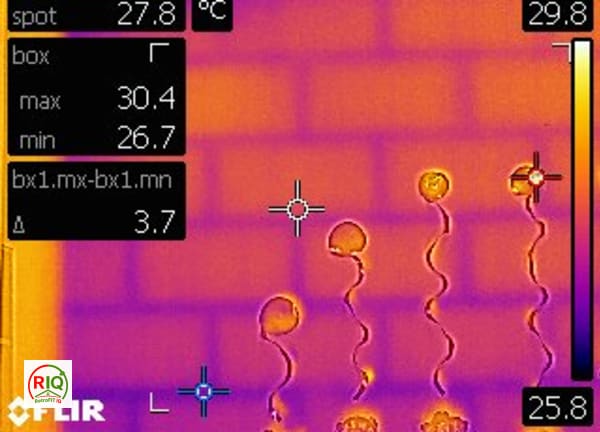
Thermal Bridging Visible Through Masonry Blockwork Wall

Sample Building Performance Investigation Report — Thermal Imaging
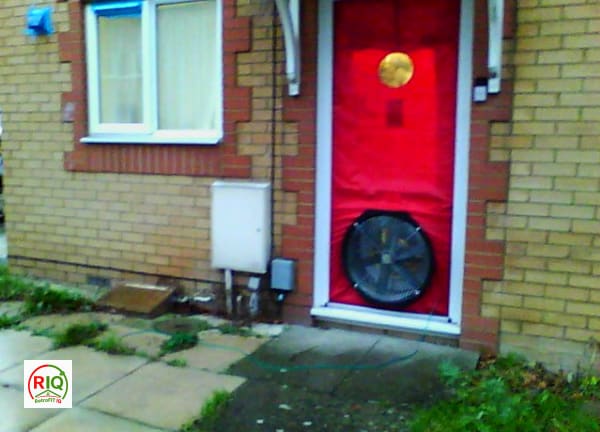
Blower Door Airtightness Test Setup

Acoustic Floor Upgrades: Mineral Wool Insulation Between Joists

Airtightness Testing in a Stratford Victorian Terrace

Thermal Bridge at Internal Corner Wall Junction
No related investigations yet.
Browse all investigationsFrequently asked questions
Is my house ready for a heat pump?+
It is ready when it can be kept comfortable on low-temperature water — which depends on losing heat slowly (good insulation and airtightness) and having radiators large enough to emit enough heat at low temperatures. A heat-loss survey confirms readiness and what to improve first.
Do I need insulation before a heat pump?+
Often, yes. Improving insulation and airtightness lowers the heat demand and the flow temperature needed, which raises heat-pump efficiency, cuts running cost and can reduce the system size and radiator changes required. It is the fabric-first principle.
Will my radiators work with a heat pump?+
Sometimes, but many radiators sized for a hot boiler are too small to deliver enough heat at low heat-pump temperatures and need enlarging, or underfloor heating used. A heat-loss calculation shows which emitters are adequate.
Why are some heat pumps expensive to run?+
Usually because they are forced to run at high flow temperatures in a leaky, poorly insulated home or with undersized radiators. At high temperatures a heat pump is least efficient. Improving the fabric and emitters lets it run low and cheap.
Can I just swap my boiler for a heat pump?+
Not effectively. A heat pump is a different system that prefers steady, low-temperature heat, so a like-for-like swap at boiler temperatures gives poor efficiency. It should be designed around a measured heat loss with the right emitters.
How do I know what flow temperature my house needs?+
A room-by-room heat-loss calculation, combined with your radiator sizes, gives the design flow temperature and shows which fabric or emitter improvements would lower it for better efficiency.
How do you assess heat-pump readiness?+
We calculate the heat loss, use thermal imaging and a blower door test to find fabric improvements, review the radiators, and design the fabric and heat-pump system together for efficient low-temperature heating.
Stop guessing — find the real cause
Do not spend money fixing symptoms before you understand the cause. Every home behaves differently, and the only reliable way to know what is happening in yours is professional building performance diagnostics. At RetrofitIQ we verify buildings using the right combination of investigations:
- Thermal imaging
- Blower door testing
- Moisture & dew point readings
- Ventilation review
- Building physics assessment
- Passive House methodology