
Why do I have to turn my heating up so high to feel warm?
If you have to turn the heating right up to feel even reasonably warm, the problem is almost always that your home is losing heat as fast as you can put it in, or that cold surfaces are making you feel cold even when the air is warm — not that the boiler is too weak. Cranking up the thermostat is treating the symptom; the cause is heat loss through poorly insulated fabric, air leakage and cold surfaces. Diagnosing where the heat escapes is what lets you feel warm at a normal, affordable setting.
 Reviewed by George Sora, Certified Passive House DesignerUpdated June 2026
Quick answer & key takeaways
8 min read- Needing the heating on high usually means heat is escaping as fast as you add it.
- Cold surfaces make you feel cold even when the air temperature is adequate.
- Turning the thermostat up treats the symptom, not the cause.
- Insulation, air-sealing and warmer surfaces let you feel warm at a normal setting.
- Biggest misconception: a high thermostat means a weak boiler. Usually it means high heat loss.
- Retrofit IQ's approach: measure where heat escapes, then warm the fabric, not just the air.
What this usually means
Comfort is not just about air temperature; it is about the balance of heat your body gains and loses. When you sit in a room with cold walls, windows and floors, your body radiates heat to those cold surfaces and you feel cold even if the air is at a normal temperature. To compensate, you push the thermostat higher to overheat the air, trying to offset the chill from the surfaces. So the need to 'turn it right up' is often a sign of cold surfaces — poor insulation and thermal bridges — rather than insufficient heating.
The other half is the rate of heat loss. A poorly insulated, draughty home loses heat through its walls, roof, floor and gaps almost as fast as the heating supplies it, so the room only reaches comfort when the system runs hard and the thermostat is high — and it cools quickly the moment the heating drops. You are effectively heating against a leak. The boiler or heat pump may be perfectly capable; it is simply being asked to replace heat that is escaping continuously, which is why the setting has to be so high and the bills so large.
Both point to the same conclusion: the fix is to reduce the heat loss and warm the surfaces, not to keep overheating the air. Insulating walls, roof and floors raises the surface temperatures so you feel warm without overheating the air, and reduces the rate of loss so the home holds its warmth at a normal setting. Sealing air leakage stops the draughts and heat escaping. Once the fabric is improved, a comfortable home typically needs the thermostat only around 19–21°C — and stays warm there — instead of being turned up high and still feeling cold.
Common causes
Cold internal surfaces
Cold walls, windows and floors make you feel cold even when the air is warm, prompting a higher setting.
High fabric heat loss
Poor insulation lets heat escape almost as fast as it is supplied, so comfort needs a high setting.
Air leakage and draughts
Uncontrolled leakage carries heat out and chills the room, demanding more heat input.
Thermal bridges
Cold spots at junctions lower the felt comfort and pull the perceived temperature down.
Undersized or cool radiators
Emitters that cannot deliver enough heat for the loss leave the room cold at any setting.
Signs and symptoms
Cold despite a high thermostat
Feeling cold even with the heating turned right up points to cold surfaces and heat loss.
Rooms cool quickly when heating drops
Rapid cooling shows the home loses heat fast through its fabric.
Cold walls, windows or floors
Surfaces that feel cold to the touch explain the chill the high setting is trying to offset.
High heating bills
Large bills reflect the heat continuously escaping that the high setting is replacing.
Draughts and cold spots
Felt draughts and cold corners confirm air leakage and thermal bridging adding to the demand.
What most people check first
- Whether the walls, windows and floors feel cold even when the air is warm.
- Whether the home cools quickly once the heating drops.
- Whether draughts and cold spots are adding to the heat demand.
- Whether the radiators are genuinely hot, so it is the fabric not the system.
What most people miss
- That cold surfaces make you feel cold even when the air is warm enough.
- That a high setting is treating the symptom of heat loss, not a weak boiler.
- That warming the fabric lets you feel comfortable at a normal temperature.
- That the home will hold its warmth once heat loss is reduced.
The building physics
Human thermal comfort depends on both air temperature and the mean radiant temperature of the surrounding surfaces. The body exchanges heat by radiation with walls, windows and floors, so when those surfaces are cold, the body loses heat to them and feels cold regardless of the air temperature. Raising the air temperature with the thermostat partially compensates by warming the air the body convects to, but it is an inefficient substitute for warm surfaces, which is why a room with cold walls feels chilly even when the thermostat reads a normal figure.
The rate at which a home loses heat sets how hard the heating must work to maintain any temperature. Fabric heat loss (area × U-value × temperature difference) and air-leakage loss together determine the steady heat input needed; in a poorly insulated, leaky home this is large, so comfort is only reached with the system running hard and the set point high, and the home cools rapidly when input falls. Improving insulation lowers the U-values and the loss, and sealing leakage cuts the air-change loss, so the same comfort is achieved with far less input at a lower set point.
Insulation also raises internal surface temperatures, which improves comfort directly. A well-insulated wall has a warmer inner surface, so the radiant exchange with the body is gentler and the room feels warm at a lower air temperature — often allowing the thermostat to be set several degrees lower for the same comfort, with corresponding energy savings, since heat loss is proportional to the indoor-outdoor temperature difference. The investigation-first approach measures where the heat is lost and where surfaces are cold, so the fabric can be improved to deliver comfort at a normal, economical setting rather than by perpetually overheating the air.
How to feel warm at a normal setting
Reduce the heat loss and warm the surfaces rather than overheating the air. Measure where heat escapes, insulate and air-seal, and the home will feel warm at a normal, affordable thermostat setting.
- 01
Measure where heat escapes
Use thermal imaging and a blower door test to find the heat loss and cold surfaces driving the high setting.
- 02
Warm the surfaces
Insulate walls, roof and floors so surface temperatures rise and you feel warm at a lower air temperature.
- 03
Seal the air leakage
Stop the draughts and escaping warm air that demand a higher setting and chill the rooms.
- 04
Treat thermal bridges
Address cold junctions that create cold spots and lower felt comfort.
- 05
Check the emitters
Ensure radiators can deliver the heat the rooms need once the loss is reduced.
- 06
Reset to a normal setting
With the fabric improved, set a comfortable 19–21°C and confirm the home holds its warmth.
How to prevent it coming back
- Improve insulation so surfaces are warm and heat loss is low.
- Seal air leakage so warmth is not continuously lost.
- Address thermal bridges that create cold spots.
- Heat to a normal set point rather than overheating to offset cold surfaces.
How Retrofit IQ investigates this
We measure where the home loses heat and where surfaces are cold, then target the fabric so comfort comes at a normal setting.
Do not spend money fixing symptoms before you understand the cause — investigate first, then build with confidence.
Do I need a professional investigation?
Having to turn the heating right up and still feeling cold is a clear sign to measure where the home loses heat, rather than living with high bills. A heat-loss assessment shows whether cold surfaces, air leakage or thermal bridges are the cause, so the fabric can be improved and the home made comfortable at a normal setting.
Where to go next
Relevant services
Related comparisons
From the Academy
Related problems you may also have
Evidence from Real Projects (26)
Real project and investigation images from our own fieldwork, matched to this page — not stock photography.
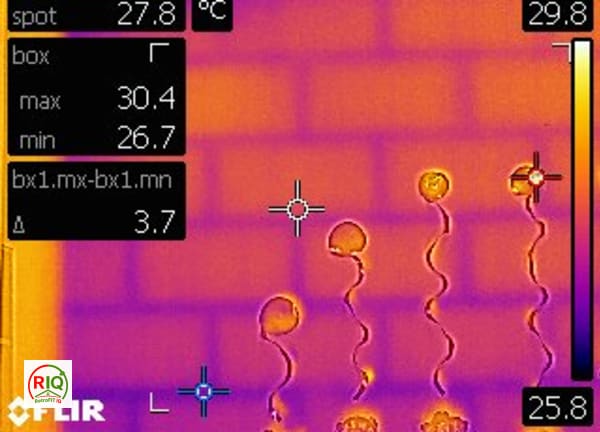
Thermal Bridging Visible Through Masonry Blockwork Wall

Sample Building Performance Investigation Report — Thermal Imaging
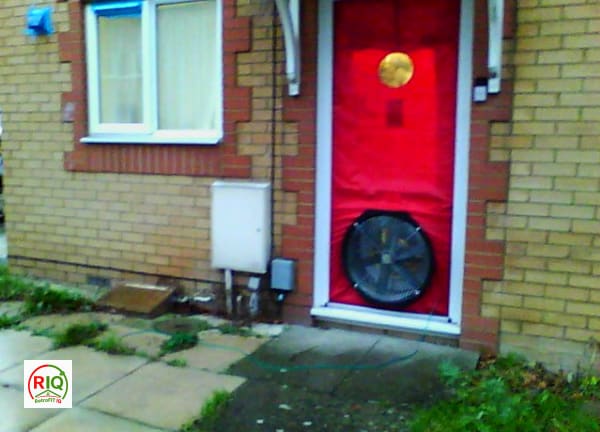
Blower Door Airtightness Test Setup

Thermal Bridge at Internal Corner Wall Junction
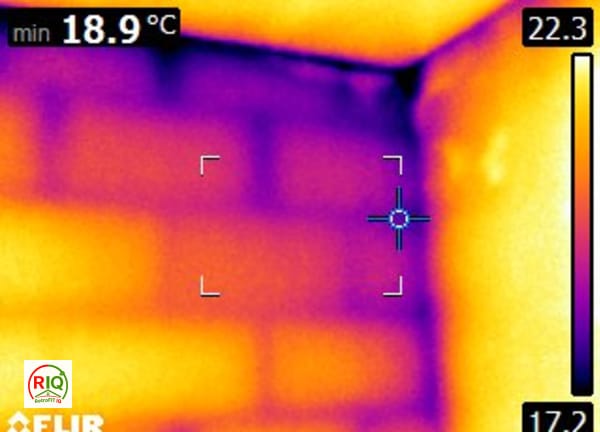
Cold wall surface vs warm ceiling

Thermal Bridge at Wall-Ceiling Junction Near Window
No related investigations yet.
Browse all investigationsFrequently asked questions
Why do I have to turn my heating up so high to feel warm?+
Usually because your home loses heat as fast as you put it in, or because cold surfaces make you feel cold even when the air is warm. It is a heat-loss and cold-surface problem, not normally a weak boiler — so the fix is to warm the fabric, not keep overheating the air.
Why do I feel cold even when the thermostat reads a normal temperature?+
Because comfort depends on the surrounding surfaces as well as the air. Cold walls, windows and floors draw heat from your body by radiation, so you feel cold despite a normal air temperature, prompting you to turn the heating up.
Does needing the heating on high mean my boiler is too small?+
Usually not. The boiler is generally capable; it is being asked to replace heat that is escaping continuously through poor fabric and draughts. Reducing the heat loss lets it keep the home warm at a normal setting.
Will insulation let me turn the heating down?+
Yes. Insulation raises surface temperatures so you feel warm at a lower air temperature, and reduces the rate of heat loss so the home holds its warmth — often allowing the thermostat to be set several degrees lower for the same comfort.
What temperature should my home need?+
A reasonably insulated, draught-free home is usually comfortable at around 19–21°C and holds that warmth. Needing it much higher, or finding it cools quickly, indicates heat loss and cold surfaces that are worth addressing.
Why does my house cool down so fast when the heating goes off?+
Because it loses heat rapidly through poorly insulated fabric and air leakage. Improving insulation and sealing the leaks slows the loss, so the home stays warm for longer after the heating drops.
How do you find why a home needs so much heat?+
We measure the heat loss, map cold surfaces and thermal bridges with thermal imaging, and locate air leakage with a blower door test, then target the fabric so the home is comfortable at a normal, economical setting.
Stop guessing — find the real cause
Do not spend money fixing symptoms before you understand the cause. Every home behaves differently, and the only reliable way to know what is happening in yours is professional building performance diagnostics. At RetrofitIQ we verify buildings using the right combination of investigations:
- Thermal imaging
- Blower door testing
- Moisture & dew point readings
- Ventilation review
- Building physics assessment
- Passive House methodology