
Why is my kitchen or bathroom so cold?
Kitchens and bathrooms often feel colder than other rooms for a combination of reasons specific to them: they have strong extract ventilation that pulls warm air out and cold air in, lots of cold hard surfaces (tiles, glass, worktops, sanitaryware) that feel chilly and draw heat from you, frequently little or no dedicated heating, and they are often on external corners with extra cold walls. The cold is usually a mix of ventilation, surfaces and heating rather than a single fault, and each part can be addressed.
 Reviewed by George Sora, Certified Passive House DesignerUpdated June 2026
Quick answer & key takeaways
7 min read- Extract fans in kitchens and bathrooms pull warm air out and draw cold air in.
- Hard cold surfaces — tiles, glass, sanitaryware — feel cold and draw heat from you.
- These rooms often have little dedicated heating relative to their losses.
- They are frequently on external corners with extra cold walls.
- Biggest misconception: it is just a heating fault. It is usually ventilation, surfaces and heating together.
- Retrofit IQ's approach: balance extract with make-up warmth, warm the surfaces, and heat adequately.
What this usually means
Kitchens and bathrooms are the homes of moisture, so they have the strongest extract ventilation — cooker hoods and extractor fans — to remove steam. While that ventilation is essential, it also pulls warm room air out and, unless balanced, draws cold replacement air in from outside and the rest of the house, so the room cools whenever the fan runs and cold air is felt entering. In a leaky home this make-up air arrives as draughts through gaps, chilling the room directly while the warm air it replaces is lost.
These rooms are also full of cold, hard surfaces. Tiles, glass, mirrors, worktops, baths, basins and toilets are all dense, conductive materials that quickly take on the room temperature and feel cold to the touch, and — being cold surfaces — they draw heat from your body by radiation, so the room feels colder than the air temperature suggests. Stepping onto a cold tiled floor or sitting in a hard bathroom amplifies that sensation, which is why these rooms can feel chilly even when nominally heated.
On top of this, kitchens and bathrooms often have little dedicated heating relative to their heat loss — a small radiator squeezed between units, or a single towel rail — and are frequently located on external corners of the house with two or more cold external walls and a window. So the cold is typically a combination: ventilation removing warmth and admitting cold air, many cold surfaces, modest heating, and an exposed position. The remedy addresses each part — balancing the extract and sealing draughts so make-up air is controlled, warming the surfaces with insulation and warm floors, and providing adequate heating — rather than assuming a single fault.
Common causes
Strong extract ventilation
Cooker hoods and extractor fans pull warm air out and draw cold air in, cooling the room.
Cold hard surfaces
Tiles, glass and sanitaryware feel cold and draw heat from the body by radiation.
Little dedicated heating
A small radiator or towel rail is often inadequate for the room's heat loss.
Exposed corner position
Kitchens and bathrooms are often on external corners with extra cold walls and a window.
Uncontrolled make-up air
In a leaky home, air replacing the extracted air enters as cold draughts through gaps.
Signs and symptoms
Cold whenever the fan runs
The room cooling when the extractor or cooker hood is on shows ventilation is pulling warmth out.
Cold tiles and surfaces
Chilly tiles, glass and sanitaryware draw heat from you and make the room feel cold.
Inadequate heating
A small radiator or towel rail that cannot warm the room indicates under-heating for the loss.
Draughts when the extractor is on
Cold air felt entering when the fan runs reveals uncontrolled make-up air in a leaky home.
Colder than adjacent rooms
Being noticeably colder than neighbouring rooms reflects the exposure, surfaces and ventilation combined.
What most people check first
- Whether the room cools when the extractor or cooker hood runs.
- Whether cold hard surfaces are making it feel colder than the air.
- Whether the heating is adequate for the room's heat loss.
- Whether make-up air enters as uncontrolled draughts in a leaky home.
What most people miss
- That extract ventilation pulls warmth out and draws cold air in.
- That cold hard surfaces make the room feel colder than the air temperature.
- That these rooms are often under-heated and on exposed corners.
- That the fix is a combination of ventilation balance, surfaces and heating.
The building physics
Extract ventilation removes air from a room, which must be replaced by make-up air drawn from outside or adjacent spaces. The extracted air is warm room air, so its loss is a direct heat loss, and the incoming make-up air is cooler, so the room's temperature falls while the fan runs. In a leaky home this make-up air infiltrates through gaps as cold draughts, adding a felt chill; in a controlled home it can be supplied deliberately and, with heat-recovery ventilation, pre-warmed, which removes both the draught and much of the heat loss.
Comfort in these rooms is strongly influenced by radiant exchange with their many hard, conductive surfaces. Tiles, glass, ceramics and stone have high thermal effusivity, so they feel cold to the touch and equilibrate with the room temperature, presenting large cold radiant surfaces to the body. Because comfort depends on mean radiant temperature as well as air temperature, a room full of cold surfaces feels colder than its air reading, which is why a tiled bathroom or hard kitchen can feel chilly even when heated — and why warming the surfaces, for example with underfloor heating or insulation, improves comfort markedly.
The heating provision and exposure complete the picture. Kitchens are often heating-poor because wall space is taken by units, and bathrooms may rely on a single towel rail, so installed output can be low relative to a room that loses heat through several external walls, a window and strong ventilation. The building-physics remedy is therefore multi-pronged: control and, ideally, recover heat from the extract ventilation; raise surface temperatures through insulation and warm floors; provide heating matched to the actual heat loss; and seal uncontrolled leakage so make-up air is not an icy draught. Measuring the room's heat loss and ventilation shows how to combine these for a comfortable kitchen or bathroom.
How to warm a cold kitchen or bathroom
Address all the causes together: balance and ideally recover heat from the extract, warm the cold surfaces, seal draughts, and provide heating matched to the room's losses.
- 01
Balance the extract ventilation
Ensure make-up air is controlled, and consider heat-recovery ventilation to remove moisture without the chill.
- 02
Warm the surfaces
Use underfloor heating or insulation to raise the temperature of cold tiled floors and walls.
- 03
Seal uncontrolled draughts
Seal gaps so the air replacing extracted air does not enter as cold draughts.
- 04
Provide adequate heating
Fit heating matched to the room's actual heat loss, not just a token radiator or towel rail.
- 05
Insulate the external walls
Insulate the room's exposed corner walls to cut heat loss and warm the surfaces.
- 06
Verify comfort
Check the room stays warm in use, including while the extractor runs.
How to prevent it coming back
- Use heat-recovery ventilation to extract moisture without losing warmth.
- Warm cold floors and surfaces with underfloor heating or insulation.
- Provide heating sized to the room's real heat loss.
- Seal draughts so make-up air is controlled, not an icy draught.
How Retrofit IQ investigates this
We assess the ventilation, surfaces, heating and exposure together to make the kitchen or bathroom comfortable.
Do not spend money fixing symptoms before you understand the cause — investigate first, then build with confidence.
Do I need a professional investigation?
A persistently cold kitchen or bathroom is worth investigating because the cause is usually a combination of ventilation, cold surfaces, heating and exposure rather than one fault. Assessing these together shows how to balance the extract, warm the surfaces and heat the room so it is comfortable in use.
Where to go next
Relevant services
Related comparisons
From the Academy
Related case studies
Evidence from Real Projects (23)
Real project and investigation images from our own fieldwork, matched to this page — not stock photography.
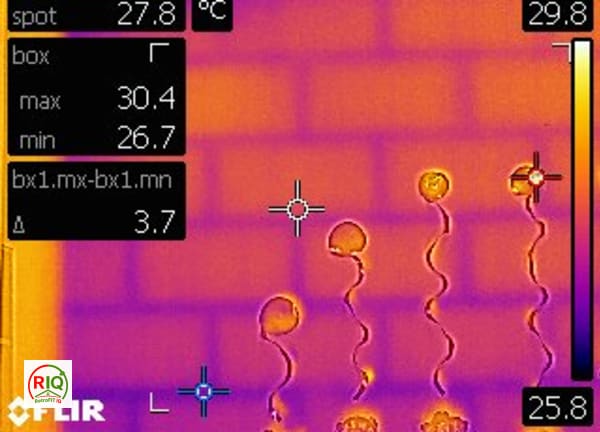
Thermal Bridging Visible Through Masonry Blockwork Wall

Sample Building Performance Investigation Report — Thermal Imaging
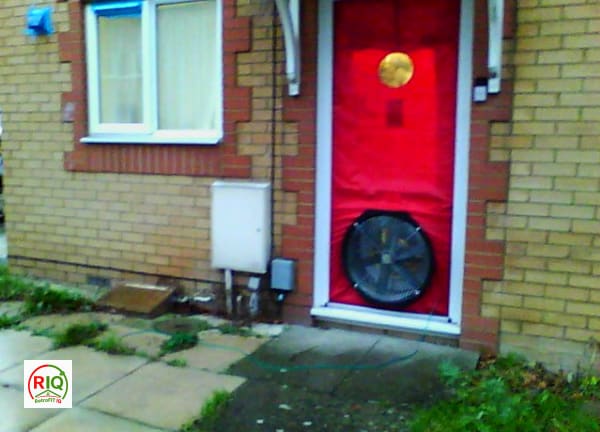
Blower Door Airtightness Test Setup

Bathroom

Thermal Bridge at Wall-Ceiling Junction Near Window

Thermal Bridge at Internal Corner Wall Junction
No related investigations yet.
Browse all investigationsFrequently asked questions
Why is my kitchen or bathroom so cold?+
Usually a combination: strong extract ventilation pulling warm air out and cold air in, lots of cold hard surfaces that feel chilly and draw heat from you, often little dedicated heating, and an exposed corner position with extra external walls. Each part can be addressed.
Why does my bathroom get cold when the fan is on?+
The extractor removes warm room air, which is replaced by cooler make-up air. In a leaky home this enters as cold draughts, so the room cools whenever the fan runs. Controlled or heat-recovery ventilation removes the moisture without the chill.
Why do cold tiles make the room feel colder?+
Tiles and other hard surfaces are conductive, feel cold to the touch and present large cold surfaces that draw heat from your body by radiation. Because comfort depends on surface temperatures too, the room feels colder than its air reading.
Will underfloor heating help a cold bathroom?+
Yes — it warms the cold tiled floor and raises the surrounding surface temperatures, improving comfort directly and addressing the cold-surface part of the problem, which a small towel rail alone cannot.
Is it because there isn't enough heating?+
Often partly. Kitchens and bathrooms frequently have modest heating relative to their losses, but the cold is usually also about ventilation and cold surfaces, so simply adding heat without addressing those gives limited results.
How do I stop the draught when the extractor runs?+
Seal uncontrolled leakage so make-up air is not an icy draught, and consider heat-recovery ventilation that supplies pre-warmed air, removing moisture without cooling the room.
How do you make a cold kitchen or bathroom comfortable?+
We assess the ventilation, cold surfaces, heating and exposure together, then balance the extract (ideally with heat recovery), warm the surfaces, seal draughts and provide heating matched to the room's losses.
Stop guessing — find the real cause
Do not spend money fixing symptoms before you understand the cause. Every home behaves differently, and the only reliable way to know what is happening in yours is professional building performance diagnostics. At RetrofitIQ we verify buildings using the right combination of investigations:
- Thermal imaging
- Blower door testing
- Moisture & dew point readings
- Ventilation review
- Building physics assessment
- Passive House methodology