
Number 1 — CO₂ (ppm)
CO₂ is the proxy for occupant-generated pollutants. As you breathe, you put CO₂ into the air; you also put water vapour, exhaled VOCs and skin particles. CO₂ tracks all of these — and unlike the others it's cheap and easy to measure.
- <800 ppm — excellent. Indistinguishable from outside.
- 800–1000 ppm — good. Normal indoor target.
- 1000–1500 ppm — noticeable cognitive impact. Mild headache risk.
- 1500–2000 ppm — measurable drop in concentration, decision-making and sleep quality.
- >2000 ppm — concerning. Common in unventilated bedrooms overnight.
Number 2 — Relative humidity (% RH)
The sweet spot is 40–60% RH. Below 30% RH skin dries, eyes itch, respiratory infections rise. Above 65% RH dust mites thrive, condensation forms on cold surfaces and mould risk climbs. The target indoor band is 40–60% year round.
Humidity is also the canary for condensation problems. If you're chronically above 65% RH in winter, condensation on cold walls is almost guaranteed — and remediating the cold surfaces (IWI, thermal-bridge correction) without controlling humidity will just shift the problem.
Number 3 — PM2.5 (µg/m³)
Fine particulate matter — 2.5 microns and smaller. Comes from cooking, candles, biomass burning, traffic, woodburners and (less obviously) from outdoor pollution that enters through windows. PM2.5 enters the bloodstream through the lungs and is linked to cardiovascular and respiratory disease.
- <5 µg/m³ — WHO 24-hour guideline. Excellent indoor target.
- 5–15 µg/m³ — moderate. Worth investigating sources.
- 15–35 µg/m³ — elevated. Significant exposure if sustained.
- >35 µg/m³ — high. Health-impacting if sustained.
Number 4 — VOCs (µg/m³ or ppb)
Volatile organic compounds — a catch-all for emissions from cleaning products, paints, glues, MDF, candles, air fresheners, carpets and personal-care products. Formaldehyde is the highest-impact VOC indoors. VOC levels are typically highest in newly-renovated homes.
- Source control first — low-VOC paints, formaldehyde-free MDF, fragrance-free cleaning products
- Ventilation second — fresh air dilutes whatever is still being emitted
- Filtration third — activated-carbon filters in MVHR units can adsorb a meaningful proportion of VOCs
The RetrofitIQ approach to IAQ
- Continuous logging of CO₂, RH, T, PM2.5 and VOCs for 7–14 days
- Spot measurements of formaldehyde where new MDF / particleboard is present
- Source-by-source inventory (cooking, cleaning, furniture, candles, biomass)
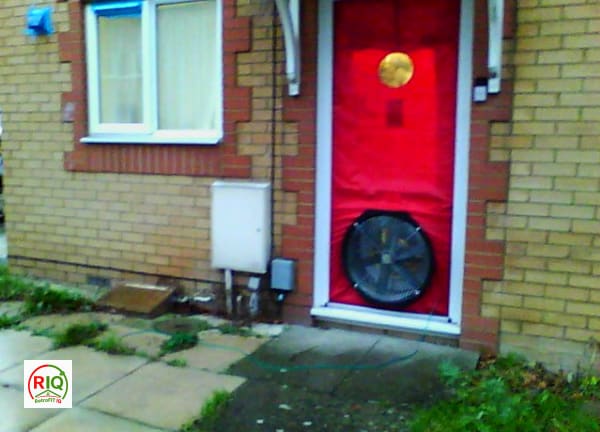
- Ventilation rate verification (anemometer + blower-door + tracer-gas where indicated)
- Prioritised IAQ improvement plan: source control → ventilation → filtration
- Re-measured IAQ data after improvements as verification