
Why do I feel cold even when the room is warm?
Feeling cold while the thermostat says the room is warm is one of the clearest signs that comfort depends on more than air temperature. Your body loses heat to cold surfaces by radiation and to moving air by draughts, so cold walls, windows and floors, plus air leakage, can leave you feeling chilly even in warm air. Comfort is set by the surfaces and the airtightness as much as by the heating.
 Reviewed by George Sora, Certified Passive House DesignerUpdated June 2026
Quick answer & key takeaways
6 min read- Comfort depends on surface temperatures and draughts, not just air temperature.
- Your body radiates heat to cold walls, windows and floors, so you feel cold near them.
- Draughts strip heat from your skin even when the air is warm.
- A warm thermostat reading does not guarantee a comfortable room.
- Biggest misconception: turning up the heating must fix it. Cold surfaces and draughts remain.
- Retrofit IQ's approach: measure surface temperatures and air leakage, not just the air.
What this usually means
Thermal comfort is governed by how fast your body loses heat, and it loses heat by several routes at once: to the surrounding air, to surfaces by radiation, and to moving air by convection. The thermostat measures only the air temperature. If the walls, windows or floors around you are cold, your body radiates heat to them and you feel cold — regardless of what the air thermometer says. This is why a room can read 'warm' yet feel chilly.
Draughts make it worse. Moving air, even at a comfortable temperature, increases convective heat loss from your skin, producing a wind-chill effect indoors. So a draughty room with cold surfaces can feel cold while the heating runs and the thermostat is satisfied, because the heating is warming the air but not the surfaces, and is doing nothing about the air movement carrying heat off your body.
The practical consequence is that turning the heating up rarely solves it: it raises the air temperature, and the running cost, but leaves the cold surfaces cold and the draughts blowing. Genuine comfort comes from raising surface temperatures — insulating cold walls and reveals, improving glazing, warming floors — and stopping draughts by sealing air leakage. Then the room feels warm at a lower, cheaper air temperature, because your body is no longer losing heat to cold surfaces and moving air.
Common causes
Cold wall, window and floor surfaces
Uninsulated or single-glazed surfaces run cold, so your body radiates heat to them and feels cold.
Draughts and air leakage
Moving air increases heat loss from your skin, chilling you even in warm air.
Low mean radiant temperature
When the average surface temperature around you is low, comfort drops despite warm air.
Thermostat measuring air only
The thermostat reads air temperature, missing the cold surfaces and draughts that affect comfort.
Heating the air, not the fabric
Boosting the heating warms the air but leaves surfaces cold and draughts unaddressed.
Signs and symptoms
Feeling cold near walls and windows
Discomfort that worsens beside external walls and glazing indicates radiant loss to cold surfaces.
Chill despite a satisfied thermostat
Feeling cold while the thermostat reads warm shows comfort is driven by surfaces and draughts.
Cold draughts across the room
Felt air movement points to leakage adding convective heat loss.
Cold feet on a warm-air day
Cold floors draw heat from your feet regardless of the air temperature.
Needing the heating higher than expected
Having to overheat the air to feel comfortable suggests cold surfaces and draughts.
What most people check first
- Whether you feel colder near external walls, windows and floors.
- Whether there are draughts you can feel even when the air is warm.
- Whether turning the heating up only helps a little, at higher cost.
- Whether the surfaces around you feel cold to the touch.
What most people miss
- That comfort depends on surface temperatures and draughts, not just air.
- That the thermostat measures air only, missing the real comfort drivers.
- That raising the heating warms the air but not the cold surfaces.
- That insulation and air-sealing improve comfort at a lower air temperature.
The building physics
Human thermal comfort is best described by the operative temperature — roughly the average of the air temperature and the mean radiant temperature of the surrounding surfaces — adjusted for air movement and humidity. Because radiant exchange with surfaces counts as much as the air, a room with warm air but cold walls and windows has a low operative temperature and feels cold. The thermostat, sensing only air, cannot see this gap, which is why its reading and your comfort diverge.
Air movement adds a convective penalty. Draughts increase the rate at which heat is carried from your skin, lowering the effective comfort temperature — the indoor equivalent of wind chill. So even when air and surfaces are reasonable, a draughty room feels colder than a still one at the same temperature. This is why sealing air leakage often improves comfort more noticeably than adding heat, and why draughts and cold surfaces should be tackled together.
Raising surface temperatures and removing draughts lifts the operative temperature toward the air temperature, so the room feels warm without overheating the air. Insulating walls, reveals and floors and improving glazing raise the mean radiant temperature; sealing leakage removes the convective penalty. The result is comfort at a lower, cheaper air temperature. Measuring surface temperatures with thermal imaging and air leakage with a blower door test identifies exactly which surfaces and paths to address, rather than relying on the thermostat alone.
How to feel warm at a lower temperature
Raise the surface temperatures and stop the draughts, so your body stops losing heat to cold surfaces and moving air. Measure what is cold rather than just turning up the heating.
- 01
Measure surfaces and draughts
Use thermal imaging to find cold surfaces and a blower door test to locate draughts affecting comfort.
- 02
Warm the cold surfaces
Insulate cold walls, reveals and floors and improve glazing to raise the mean radiant temperature.
- 03
Seal the air leakage
Stop the draughts that strip heat from your skin, removing the indoor wind-chill effect.
- 04
Address cold floors
Insulate and seal cold floors so your feet no longer lose heat to them.
- 05
Rebalance the heating
With warmer surfaces and no draughts, the room feels warm at a lower, cheaper air temperature.
- 06
Verify comfort
Re-check surface temperatures and comfort to confirm the room feels warm without overheating.
How to prevent it coming back
- Keep external surfaces warm with insulation and good glazing.
- Seal draughts so air movement does not chill you.
- Insulate floors to keep them comfortable underfoot.
- Judge comfort by how it feels, not the thermostat alone.
How Retrofit IQ investigates this
We measure the surfaces and draughts that actually drive comfort, not just the air temperature.
Do not spend money fixing symptoms before you understand the cause — investigate first, then build with confidence.
Do I need a professional investigation?
If you feel cold even when the thermostat says the room is warm, it is worth measuring the surface temperatures and air leakage — so the cold surfaces are warmed and the draughts sealed, giving genuine comfort at a lower air temperature rather than ever-higher heating bills.
Where to go next
Relevant services
Related comparisons
From the Academy
Evidence from Real Projects (26)
Real project and investigation images from our own fieldwork, matched to this page — not stock photography.
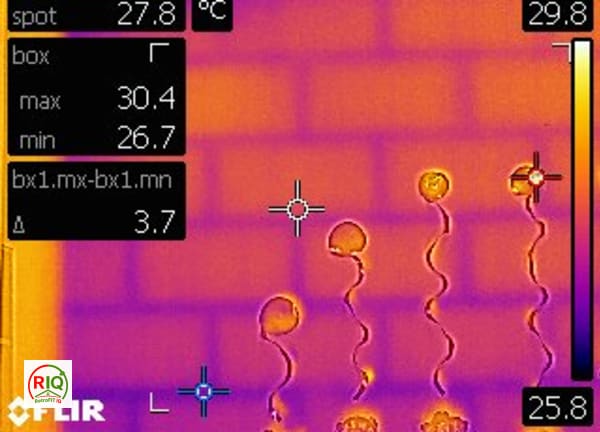
Thermal Bridging Visible Through Masonry Blockwork Wall

Sample Building Performance Investigation Report — Thermal Imaging
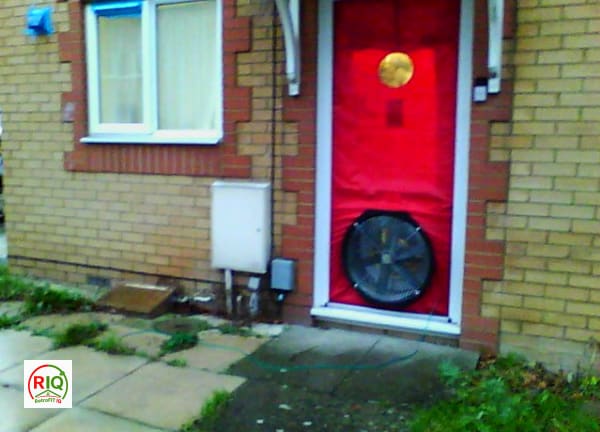
Blower Door Airtightness Test Setup

Thermal Bridge at Wall-Ceiling Junction Near Window

Thermal Bridge at Internal Corner Wall Junction
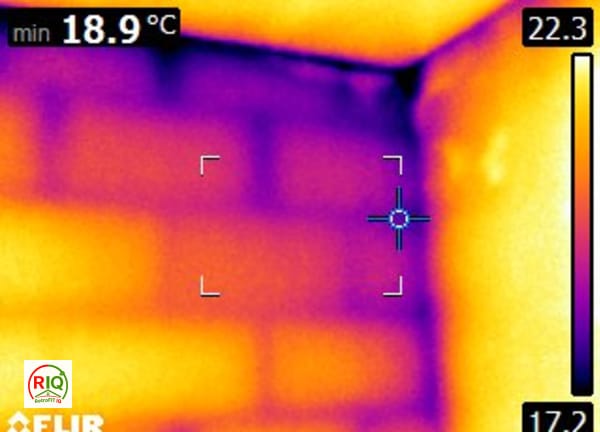
Cold wall surface vs warm ceiling
No related investigations yet.
Browse all investigationsFrequently asked questions
Why do I feel cold even when the room is warm?+
Because your body loses heat to cold surfaces by radiation and to moving air by draughts. If the walls, windows or floors are cold, or the room is draughty, you feel cold even though the air — and the thermostat — say warm.
Why doesn't turning the heating up help?+
It warms the air but not the cold surfaces, and does nothing about draughts. So you pay more while still feeling cold near cold walls, windows and floors.
What is mean radiant temperature?+
It is the average temperature of the surfaces around you. Comfort depends on it as much as on the air, so cold surfaces make a warm-air room feel cold.
Why do I feel a chill near windows and walls?+
Because those cold surfaces draw heat from your body by radiation. Improving glazing and insulating the walls raises their temperature and removes the chill.
Can draughts make me feel cold in warm air?+
Yes — moving air increases heat loss from your skin, an indoor wind-chill effect, so a draughty room feels colder than a still one at the same temperature.
Will insulation let me heat the house less?+
Often yes. Warmer surfaces and no draughts mean the room feels comfortable at a lower air temperature, so you can heat less and still feel warm.
How do you diagnose this?+
We map cold surfaces with thermal imaging, locate draughts with a blower door test and take surface temperature readings, then recommend insulation and sealing to improve comfort.
Stop guessing — find the real cause
Do not spend money fixing symptoms before you understand the cause. Every home behaves differently, and the only reliable way to know what is happening in yours is professional building performance diagnostics. At RetrofitIQ we verify buildings using the right combination of investigations:
- Thermal imaging
- Blower door testing
- Moisture & dew point readings
- Ventilation review
- Building physics assessment
- Passive House methodology