
Triple vs Double Glazing: Comfort, U-values and When It Pays
Triple glazing vs Double glazing.
 Reviewed by George Sora, Certified Passive House DesignerUpdated June 2026
Quick answer & key takeaways
4 min read- Bottom line: Triple glazing has a lower U-value and a warmer internal glass surface, improving comfort and reducing condensation; double glazing is cheaper and often adequate.
- When Triple glazing is enough: The home is airtight and well insulated
- When Double glazing is the better choice: The wider fabric is not yet high-performance
- When you need both: A phased retrofit may start with double and reach triple later
- Biggest misconception: “Triple glazing is always worth it.” — It pays off most in well-insulated, airtight homes. In a leaky, poorly insulated house the money often does more elsewhere first.
- Retrofit IQ’s approach: We specify glazing in the context of the whole fabric: triple glazing earns its place in an airtight, well-insulated home, but in a leakier one the reveals and frame often matter more — so we model where the cold surfaces really are before upgrading the glass.
Quick answer
Triple glazing has a lower U-value and a warmer internal glass surface, improving comfort and reducing condensation; double glazing is cheaper and often adequate. Triple glazing pays off most in well-insulated, airtight homes — where the windows would otherwise be the weak point — and matters for Passive House and EnerPHit. In a less-insulated house, good double glazing is frequently the sensible choice, because the windows are not the dominant loss. Context decides.
At a glance
| Attribute | Triple glazing | Double glazing |
|---|---|---|
| U-value | Lower (better) | Higher than triple |
| Internal glass temperature | Warmer — more comfortable | Cooler |
| Condensation risk (internal) | Lower | Higher |
| Cost & weight | Higher | Lower |
| Best context | Airtight, well-insulated homes | Less-insulated homes, budget projects |
| Passive House | Typically required | Usually insufficient |
What is Triple glazing?
Three panes with two insulating cavities, giving a lower U-value and a warmer internal glass surface. It improves comfort and reduces condensation risk, at higher cost and weight, and pays off most in well-insulated, airtight homes.
What is Double glazing?
Two panes with one cavity — the standard modern window. Good-quality double glazing is a major improvement over single glazing and is often perfectly adequate, particularly where the rest of the fabric is not yet high-performance.
What each method measures — and what it doesn’t
Triple glazing
- A lower window U-value
- A warmer internal glass surface for comfort
- Reduced internal-surface condensation risk
- Best value where the rest of the fabric is poor
Double glazing
- A solid thermal improvement over single glazing
- Lower cost and weight
- Adequate performance in many existing homes
- Passive House-level window performance
- The warmest possible glass surface
The building science
A window's U-value reflects how readily heat passes through the glazing, frame and spacer. Triple glazing, with two cavities and additional low-emissivity coatings, achieves a lower U-value than double glazing, and — importantly for comfort — a warmer internal glass surface. A warmer surface reduces the cold downdraught and radiant discomfort near windows and lowers the risk of condensation forming on the glass.
Whether that extra performance pays depends on the rest of the building. In a well-insulated, airtight home, the windows become the weakest thermal element, so upgrading them to triple glazing yields a real, noticeable improvement and helps avoid the windows becoming the new condensation point. This is why triple glazing is effectively standard for Passive House and EnerPHit.
In a less-insulated house, the calculation changes. If the walls, roof and floor are losing far more heat than the windows, spending the premium on triple glazing addresses a minor loss while the major ones remain — the money usually does more elsewhere first. Good double glazing is then the sensible choice, with triple considered later if the fabric is brought up to a high standard.
Frames, spacers and installation matter as much as the number of panes. A triple-glazed unit in a poor frame, or installed with thermal bridging around the reveal, can underperform a well-detailed double-glazed window. So the decision is not simply 'two panes or three' but a whole-window, whole-house judgement — best made with a measured understanding of where the heat is going.
Key differences
- Triple glazing has a lower U-value and warmer glass; double is cheaper.
- Triple pays off most in airtight, well-insulated homes.
- Double glazing is often adequate where the fabric is not high-performance.
- Frames, spacers and installation matter as much as pane count.
Common misconceptions
Myth: Triple glazing is always worth it.
It pays off most in well-insulated, airtight homes. In a leaky, poorly insulated house the money often does more elsewhere first.
Myth: Double glazing is outdated.
Good double glazing is a major improvement over single and is often perfectly adequate, depending on the rest of the fabric.
Myth: More panes guarantee better performance.
Frame quality, spacers and installation detailing are just as important as the number of panes.
Real-world situations
Passive House or EnerPHit project
Triple glazing — typically required for the U-value and comfort the standard demands.
Well-insulated, airtight home upgrading windows
Triple glazing, since the windows are now the weak point and comfort gains are real.
Older, poorly insulated home on a budget
Good double glazing, prioritising fabric measures that address the larger losses first.
Condensation on the inside of the glass
A warmer glass surface (triple, with good frames) plus ventilation; assess whole-window detailing.
Which do you actually need?
When Triple glazing is enough
- The home is airtight and well insulated
- Comfort near windows or glass condensation is an issue
- You are pursuing Passive House or EnerPHit
When Double glazing is the better choice
- The wider fabric is not yet high-performance
- Budget is limited and larger losses remain
- Good double glazing meets the need
When you need both
- A phased retrofit may start with double and reach triple later
- Different windows have different exposures and needs
What Retrofit IQ checks on site
We specify glazing in the context of the whole fabric: triple glazing earns its place in an airtight, well-insulated home, but in a leakier one the reveals and frame often matter more — so we model where the cold surfaces really are before upgrading the glass.
- Whole-house heat-loss assessment to place windows in context
- Window U-value and surface-temperature considerations
- Frame, spacer and installation detailing review
- Thermal-bridge checks at reveals and junctions
- Condensation-risk consideration at the glazing
- A recommendation weighing glazing against the larger fabric losses
What a Certified Passive House Designer recommends
Triple glazing is excellent, but it is not automatically the right spend. Its value depends on the rest of the house: in an airtight, well-insulated home the windows are the weak link and triple glazing pays in comfort and reduced condensation. In a leaky, poorly insulated house, the same money usually does more on walls, loft and airtightness first.
And it is never just about pane count. A triple unit in a poor frame, or thermally bridged at the reveal, can underperform a well-detailed double-glazed window. I look at the whole window and the whole house — measured — before recommending which glazing earns its place.
— George Sora, Certified Passive House Designer, Founder, RetrofitIQ
Reviewed using current building physics principles and Passive House methodology.
Related services
Related comparisons
Related investigations
Compare another way
Closely related comparisons our clients read next.
Loft Insulation vs Wall Insulation
Loft insulation is usually the cheapest, easiest and highest-return measure, so it is normally first; wall insulation tackles a larger heat-loss area and gives big comfort gains but costs more and needs careful detailing.
Read comparisonU-values vs Thermal Bridging in Heat Loss
U-values describe heat loss through the flat area of walls, roofs and windows; thermal bridges describe extra heat loss at junctions and interruptions.
Read comparisonInternal vs External Wall Insulation
EWI is generally the better building-physics solution because it keeps the wall warm and the insulation continuous, reducing thermal bridges and condensation risk.
Read comparisonEnerPHit vs New-Build Passive House
Passive House (classic) is the new-build standard; EnerPHit is its retrofit counterpart, with slightly relaxed targets that reflect the constraints of working with an existing building.
Read comparisonEvidence from Real Projects (22)
Real project and investigation images from our own fieldwork, matched to this page — not stock photography.

Sample Building Performance Investigation Report — Thermal Imaging
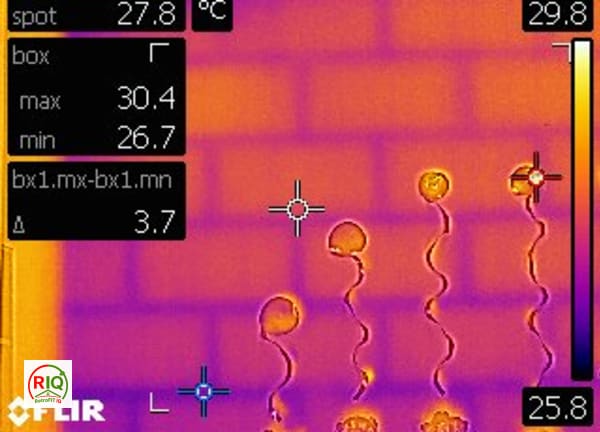
Thermal Bridging Visible Through Masonry Blockwork Wall

Thermal Bridge at Internal Corner Wall Junction

Thermal Bridge at Wall-Ceiling Junction Near Window
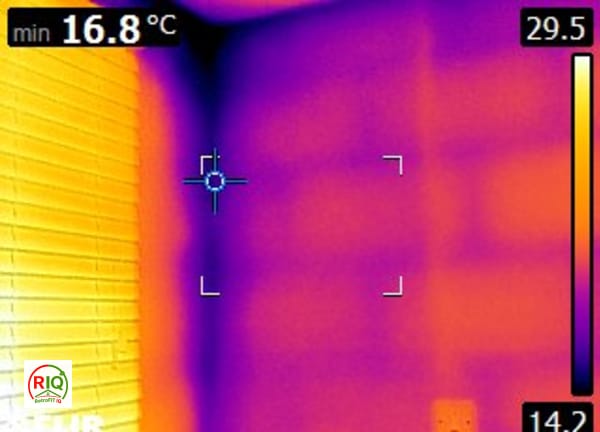
Internal wall / ceiling junction

Wall / ceiling corner with vertical service pipe
No related investigations yet.
Browse all investigationsFrequently asked questions
Is triple glazing worth it?+
It pays off most in well-insulated, airtight homes, where the windows are the weak point. In a poorly insulated house, the money often does more on the wider fabric first.
What's the main benefit of triple over double?+
A lower U-value and a warmer internal glass surface, which improves comfort near the window and reduces internal-surface condensation.
Is double glazing still acceptable?+
Yes — good double glazing is a major improvement over single glazing and is often perfectly adequate, depending on the rest of the fabric.
Does triple glazing stop condensation?+
It reduces internal-surface condensation by keeping the glass warmer, but ventilation and overall humidity also matter.
Is triple glazing required for Passive House?+
Typically yes — the U-value and comfort targets usually require triple glazing with high-quality frames.
Does the frame matter?+
Very much. Frame quality, warm-edge spacers and installation detailing affect performance as much as the number of panes.
Is triple glazing much heavier?+
Yes — three panes are heavier, which affects frames, hinges and sometimes structural considerations. It is part of the specification.
Should I upgrade windows or walls first?+
Usually the larger fabric losses (walls, loft, airtightness) come first unless the windows are clearly the weak point. A heat-loss assessment decides.
Who advises on glazing choice?+
A Certified Passive House Designer, weighing window performance against the whole house and its measured heat loss.
Need professional advice?
A comparison like this helps you understand the theory, but every property behaves differently. The only reliable way to establish the real cause in your home — rather than guessing — is professional building performance diagnostics. At RetrofitIQ we verify buildings using the appropriate combination of investigations:
- Thermal imaging
- Blower door testing
- Moisture investigation
- Building physics assessment
- Passive House methodology