
Why are my windows cold and draughty?
Cold, draughty windows have two distinct parts: the glazing itself running cold, and air leaking around the unit, frame and reveal. Single or older glazing has a cold inner surface you feel as radiant chill, while worn seals and gaps let air through. Telling the radiant cold from the air leakage is the key to fixing the right thing.
 Reviewed by George Sora, Certified Passive House DesignerUpdated June 2026
Quick answer & key takeaways
6 min read- Cold windows have two issues: cold glass (radiant) and air leakage (draughts).
- Low-performance glazing has a cold inner surface that makes you feel cold nearby.
- Worn seals and gaps around the unit, frame and reveal let air leak through.
- The draught you feel may be the frame and reveal, not the glass.
- Biggest misconception: cold near a window means it needs replacing. Often sealing fixes the draught.
- Retrofit IQ's approach: separate radiant cold from air leakage with thermal imaging and a blower door test.
What this usually means
Standing near a window, you can feel cold for two different reasons. The first is radiant: the inner surface of low-performance glazing runs cold, and your body radiates heat to it, so you feel chilly even if the air is warm. The second is convective: air leaks in around the unit, the opening frame, or the gap between frame and wall (the reveal), and you feel that moving cold air as a draught.
These need different remedies. Radiant cold is reduced by better glazing — a warmer inner surface from improved units — or by addressing the whole window's performance. Air leakage is reduced by renewing seals and sealing the gaps around the frame and reveal. A window can be cold by radiation but not especially draughty, or draughty through leakage while the glass itself is reasonable, so identifying which dominates avoids spending on the wrong fix.
The reveal and frame-to-wall junction are commonly overlooked. Draughts felt 'at the window' often come from the gap where the frame meets the wall, or from an uninsulated, cold reveal, rather than through the unit. Sealing and, where needed, insulating these can transform comfort without replacing the window at all.
Common causes
Low-performance glazing
Single glazing or older units have a cold inner surface, producing radiant chill near the window.
Worn or perished seals
Degraded gaskets and weatherseals on opening lights let air leak around the sash.
Gaps at the frame-to-wall junction
Unsealed gaps where the frame meets the wall let draughts in around the unit.
Cold, uninsulated reveals
Cold window reveals run chilly and can also cause condensation, separate from the glazing.
Blown or failed units
Misted double-glazed units have lost their performance and feel colder.
Signs and symptoms
Cold radiating from the glass
Feeling cold near a window even when the air is warm indicates a cold inner glass surface.
Felt draughts around the opening
Moving air at the sash or handle side points to worn seals on the opening light.
Draughts at the frame edge or reveal
Cold air at the frame-to-wall junction or reveal indicates leakage around, not through, the unit.
Condensation on cold reveals
Damp on the reveal rather than the glass suggests a cold, uninsulated reveal.
Misting between the panes
Misting inside a sealed unit shows it has blown and lost performance.
What most people check first
- Whether the cold is radiant (from the glass) or a felt draught (air movement).
- Whether draughts come from the opening seals, the frame edge or the reveal.
- Whether sealed units are misted (blown).
- Whether reveals feel cold or show condensation.
What most people miss
- That radiant cold and air-leakage draughts are different problems with different fixes.
- That draughts often come from the frame junction or reveal, not the glass.
- That sealing and insulating reveals can fix comfort without new windows.
- That measuring separates the causes so the right remedy is chosen.
The building physics
The inner surface temperature of glazing depends on its insulating performance: single glazing runs much colder on the inside than modern insulated units, so it both loses more heat and produces stronger radiant discomfort. Because the body exchanges heat with surfaces by radiation, a large cold pane lowers the mean radiant temperature near it, making you feel cold regardless of the air temperature. Warmer glazing raises that surface temperature and the comfort with it.
Air leakage at windows is convective and pressure-driven, like leakage anywhere in the envelope. Worn seals on opening lights, and gaps at the frame-to-wall junction, let air through under the stack and wind pressures across the building. Because these gaps are small and distributed, they are best found under the steady pressure of a blower door test with smoke, which distinguishes leakage through the unit from leakage around it.
The reveal is a thermal-bridge issue. A cold reveal both feels chilly and can fall below the dew point and condense, even when the glass is fine. Insulating and sealing the reveal raises its surface temperature and stops the draught and condensation there. Separating these three effects — glazing performance, air leakage, and reveal/junction detailing — with thermal imaging and a blower door test is what allows a targeted fix instead of a blanket window replacement.
How to fix cold, draughty windows
Treat the radiant cold and the air leakage separately, and don't overlook the frame junction and reveal. Diagnose which dominates before spending.
- 01
Separate the causes
Use thermal imaging and a blower door test to distinguish cold glass from air leakage, and locate where the leakage actually is.
- 02
Seal the air leakage
Renew worn seals on opening lights and seal gaps at the frame-to-wall junction — often the quickest comfort gain.
- 03
Address cold reveals
Insulate and seal cold reveals to raise their surface temperature and stop draughts and condensation there.
- 04
Improve the glazing where needed
Where radiant cold from the glass dominates, improve or replace the units — confirmed by measurement, not assumed.
- 05
Replace genuinely failed units
Replace blown or rotten units and frames that have truly failed.
- 06
Verify comfort
Re-check radiant comfort and draughts after the work.
How to prevent it coming back
- Maintain and renew window seals before they perish.
- Keep frame-to-wall junctions sealed.
- Insulate cold reveals during any window or wall work.
- Repair blown or rotten units promptly.
How Retrofit IQ investigates this
We separate radiant cold, air leakage and reveal issues so the right remedy is applied.
Do not spend money fixing symptoms before you understand the cause — investigate first, then build with confidence.
Do I need a professional investigation?
Measuring is worthwhile when windows feel cold or draughty and you want to know whether to seal, insulate the reveals, or replace — so you fix the dominant cause rather than defaulting to expensive replacement.
Where to go next
Relevant services
Related comparisons
From the Academy
Related case studies
Evidence from Real Projects (26)
Real project and investigation images from our own fieldwork, matched to this page — not stock photography.

Thermal Bridge at Wall-Ceiling Junction Near Window
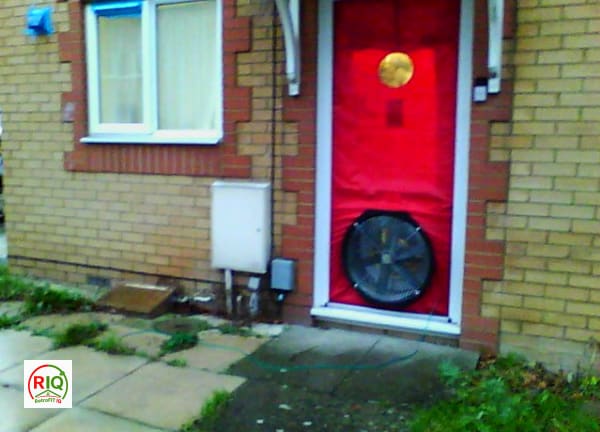
Blower Door Airtightness Test Setup
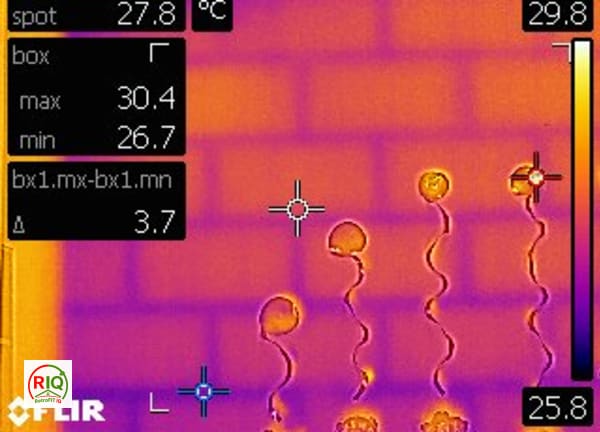
Thermal Bridging Visible Through Masonry Blockwork Wall

Sample Building Performance Investigation Report — Thermal Imaging

Thermal Bridge at Internal Corner Wall Junction

Top of door frame
No related investigations yet.
Browse all investigationsFrequently asked questions
Why are my windows cold and draughty?+
Two reasons: the glass itself runs cold (radiant chill) on low-performance glazing, and air leaks around the unit, seals, frame junction or reveal (draughts). They are different problems needing different fixes.
Is the draught coming through the glass?+
No — glass does not leak air. Draughts come from worn seals on opening lights, gaps at the frame-to-wall junction, or the reveal. Sealing these often fixes the draught without new windows.
Why do I feel cold near the window even when it's warm?+
Because the cold glass surface draws heat from your body by radiation, lowering the comfort near it. Better glazing raises the inner surface temperature and the comfort.
What is a cold reveal?+
The reveal is the wall around the window; if uninsulated it runs cold, feels chilly and can condense. Insulating and sealing it improves comfort separately from the glazing.
Do I need to replace the window to stop the draught?+
Often not. Renewing seals and sealing the frame junction and reveal usually stops the draught. Replacement is for genuinely failed units or where the glazing's radiant cold dominates.
What does misting between the panes mean?+
The sealed unit has blown — lost its seal and performance — and should be repaired or replaced. This is a genuine reason for new glazing.
How do you diagnose cold, draughty windows?+
We use thermal imaging and a blower door test to separate cold glass from air leakage and to find where the leakage is, then recommend sealing, reveal insulation or glazing accordingly.
Stop guessing — find the real cause
Do not spend money fixing symptoms before you understand the cause. Every home behaves differently, and the only reliable way to know what is happening in yours is professional building performance diagnostics. At RetrofitIQ we verify buildings using the right combination of investigations:
- Thermal imaging
- Blower door testing
- Moisture & dew point readings
- Ventilation review
- Building physics assessment
- Passive House methodology