
Should I repair or replace my old windows?
Whether to repair or replace old windows is one of the most common — and most over-simplified — decisions homeowners face. The replacement industry presents new windows as the obvious answer to cold, draughts and condensation, but a sound timber window that is draughty and cold can often be repaired, draught-proofed and upgraded for far less, keeping its character and lasting longer than a modern unit. Equally, a window that is rotten, beyond repair or performing very poorly may genuinely warrant replacement. The right call depends on the condition of the existing windows, what is actually making them uncomfortable, and what you want to achieve — which is worth establishing before committing to an expensive replacement.
 Reviewed by George Sora, Certified Passive House DesignerUpdated June 2026
Quick answer & key takeaways
8 min read- A sound but draughty old window can often be repaired and draught-proofed for far less than replacing it.
- Repair keeps the character and the often superior timber of older windows.
- Replacement is justified where the window is rotten or genuinely beyond repair.
- Much of the discomfort is draughts and cold glass, both addressable without full replacement.
- Biggest misconception: new windows are always the answer. Repair often wins on cost and longevity.
- Retrofit IQ's approach: assess the condition and the real cause of discomfort before deciding.
What this usually means
Old windows — particularly traditional timber sash and casement windows — are often built from dense, slow-grown timber that, if maintained, outlasts modern replacements by decades. When such a window feels cold and draughty, the discomfort usually comes from two separable things: air leaking around the moving parts and the frame, and the cold surface of single glazing. Both can be addressed without replacing the window. Discreet draught-proofing seals the leakage while keeping the window working; the glazing can be improved with slim-profile double glazing, or the warmth and comfort raised with secondary glazing behind the original. Repairing rot, easing and overhauling the sashes, and reinstating the putty and finish restore the window's function and life.
Replacement, by contrast, is a larger and more permanent step, and it is genuinely warranted in some cases: where the timber is extensively rotten or the window is structurally beyond economic repair, where it is a poor-quality later window with no character to preserve, or where the performance required cannot be met by upgrading. But replacing a repairable window often costs several times what repair and upgrading would, discards sound material, and — in a period or conservation context — can harm the appearance and value of the home. Modern replacement units also have a finite life and sealed double-glazed panes that eventually fail, whereas a repaired traditional window can be maintained almost indefinitely.
So the decision should follow from an honest assessment rather than a sales pitch. What condition are the windows actually in — sound and serviceable, or decayed beyond repair? What is really causing the discomfort — draughts, cold glass, or the wrong diagnosis entirely (condensation and cold that the windows are being blamed for but that originate elsewhere)? And what do you want: lower cost and preserved character, or maximum thermal performance regardless? In many homes, repairing and draught-proofing the existing windows, with slim double or secondary glazing where more warmth is wanted, delivers most of the comfort benefit at a fraction of the cost and disruption. Where that genuinely cannot meet the need, replacement is the right answer — but it is worth confirming the case before spending on it.
Common causes
Draughts around the window
Air leaking past the moving parts and frame causes much of the cold, and is repairable.
Cold single glazing
The cold glass surface makes the window feel cold, addressable by slim or secondary glazing.
Localised rot or wear
Decay or worn joinery may be repairable rather than requiring full replacement.
Misdiagnosed comfort problem
Cold and condensation blamed on the windows can originate elsewhere in the room.
Genuine end of life
Extensive rot or a poor-quality unit beyond economic repair justifies replacement.
Signs and symptoms
Draughts felt around the window
Air movement at the edges points to leakage that draught-proofing can fix.
Cold radiating from the glass
A cold single-glazed surface is improvable without replacing the whole window.
Sticking or rattling sashes
Worn but sound joinery can usually be overhauled rather than replaced.
Localised rot
Isolated decay may be repairable, whereas extensive rot suggests replacement.
Condensation on the glass
Window condensation is often a room-humidity issue, not a reason to replace.
What most people check first
- Whether the windows are structurally sound or genuinely beyond repair.
- Whether the discomfort is draughts, cold glass, or a problem originating elsewhere.
- Whether draught-proofing and slim or secondary glazing would meet the need.
- Whether character and conservation value should be preserved.
What most people miss
- That draughts and cold glass can be fixed without full replacement.
- That old timber windows often outlast modern replacements.
- That condensation blamed on windows is usually a humidity problem.
- That replacement is sometimes the right answer, but should be confirmed first.
The building physics
A window contributes to discomfort through two largely independent mechanisms: air leakage and surface temperature. Air leakage around the openable joints and the frame allows uncontrolled infiltration that carries heat out and is felt as a draught; it is governed by the gaps and their sealing, and discreet draught-proofing closes those paths while preserving operation. Surface temperature is governed by the glazing and frame: a single-glazed pane runs cold, producing radiant discomfort and a surface that readily reaches the dew point. These are addressable separately — sealing the leakage, and raising the inner-surface temperature with slim double glazing or secondary glazing — so much of the perceived poor performance of an old window can be remedied without replacing it.
The economic and material case for repair rests on durability and proportionality. Traditional windows are frequently made of dense, durable timber that, kept painted and maintained, has an indefinite serviceable life and is repairable component by component; modern sealed units have a finite life, with insulating glass seals that fail over time and frames that are not economically repairable. Replacing a repairable window therefore substitutes a shorter-lived, non-repairable assembly for a long-lived, maintainable one, usually at several times the cost of repair and upgrading, and discards sound material. Where a window is genuinely decayed beyond economic repair, or is a low-quality unit, this calculus changes and replacement becomes rational — which is why the condition assessment, not a default, drives the decision.
Crucially, windows are commonly blamed for discomfort that originates in the room's moisture balance and the surrounding fabric. Condensation on glazing is a function of indoor humidity and surface temperature, so new windows can simply move the condensation to the next-coldest surface — the reveals or a cold wall — if the humidity is not addressed, and cold felt near a window can arise from the cold wall, the reveal thermal bridge or air leakage in the surrounding fabric rather than the window itself. An assessment that establishes the real cause — distinguishing draughts, cold glazing, reveal bridging and room humidity — ensures the spend is directed to what actually delivers comfort, whether that is repairing and upgrading the existing windows or, where the case is made, replacing them. The diagnosis is what prevents an expensive replacement that does not solve the problem.
How to decide whether to repair or replace your windows
Assess the condition and the real cause of discomfort first, then favour repairing, draught-proofing and upgrading sound windows — reserving replacement for windows genuinely beyond repair.
- 01
Assess the condition
Establish whether the windows are sound and serviceable or genuinely decayed beyond repair.
- 02
Diagnose the discomfort
Separate draughts, cold glass, reveal bridging and room humidity to find the real cause.
- 03
Draught-proof sound windows
Seal the leakage discreetly while keeping the window operating, for a large comfort gain at low cost.
- 04
Upgrade the glazing
Add slim double glazing or secondary glazing where more warmth or quiet is wanted.
- 05
Repair localised decay
Splice and overhaul affected joinery rather than replacing a whole sound window.
- 06
Replace only where justified
Where the window is beyond economic repair or cannot meet the need, replace it.
How to prevent it coming back
- Confirm the cause of discomfort before committing to replacement.
- Maintain and repair sound timber windows to extend their life.
- Address room humidity rather than expecting new windows to cure condensation.
- Use draught-proofing and slim or secondary glazing before full replacement.
How Retrofit IQ investigates this
We assess the windows' condition and the real cause of the discomfort, so the repair-or-replace decision is made on evidence.
Do not spend money fixing symptoms before you understand the cause — investigate first, then build with confidence.
Do I need a professional investigation?
Before spending on replacement windows, it is worth assessing the existing windows and the real cause of the discomfort. Establishing whether the windows are repairable and whether the cold, draughts or condensation come from the windows or the surrounding fabric and room humidity ensures the money delivers comfort — often through repair and upgrading at a fraction of the cost of replacement, and replacement only where it is genuinely the right answer.
Where to go next
Relevant services
Related comparisons
From the Academy
Related case studies
Evidence from Real Projects (15)
Real project and investigation images from our own fieldwork, matched to this page — not stock photography.
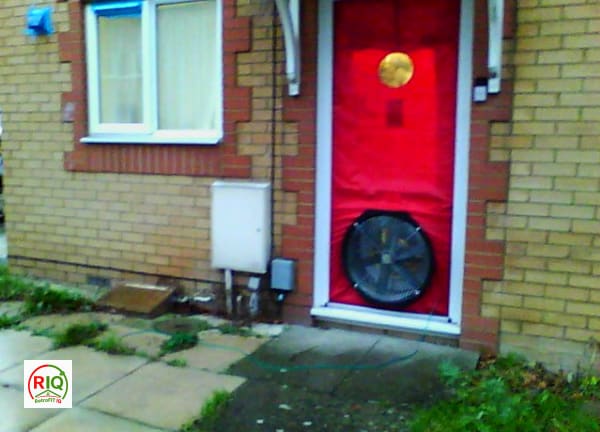
Blower Door Airtightness Test Setup

Thermal Bridge at Wall-Ceiling Junction Near Window
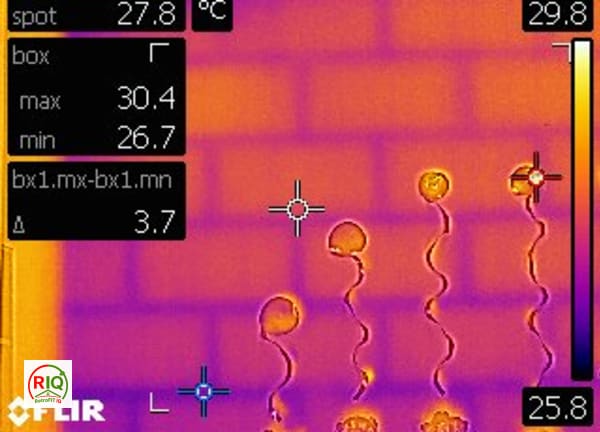
Thermal Bridging Visible Through Masonry Blockwork Wall

Sample Building Performance Investigation Report — Thermal Imaging

Thermal Bridge at Internal Corner Wall Junction

Bathroom
No related investigations yet.
Browse all investigationsFrequently asked questions
Should I repair or replace my old windows?+
Often repair: a sound but draughty old window can usually be draught-proofed, overhauled and upgraded with slim or secondary glazing for far less than replacing it, keeping its character and lasting longer. Replacement is the right answer where the window is rotten or genuinely beyond economic repair — so the decision should follow an assessment of the condition and the real cause of the discomfort.
Are old windows always less efficient than new ones?+
Not necessarily once upgraded. Much of an old window's discomfort is draughts and cold single glazing, both of which can be addressed by draught-proofing and slim double or secondary glazing — bringing the comfort close to a new unit while preserving durable timber that often outlasts modern replacements.
Will repairing my windows really save money?+
Usually, yes. Repairing and upgrading a sound window typically costs a fraction of replacement, discards no sound material, and avoids the finite life of modern sealed units. Where the window is genuinely beyond repair, replacement becomes the economic choice — which is why the condition assessment matters.
Will new windows stop my condensation?+
Not reliably on their own. Condensation depends on indoor humidity and surface temperature, so new windows can just move the condensation to the next-coldest surface — the reveals or a cold wall — if the humidity is not addressed. The room's moisture balance usually needs tackling too.
When is replacement genuinely the right choice?+
Where the timber is extensively rotten or the window is structurally beyond economic repair, where it is a poor-quality later unit with no character to preserve, or where the required performance cannot be met by upgrading. In those cases replacement is rational — but it is worth confirming the case before spending on it.
How do you decide for my home?+
We assess the windows' condition, locate the air leakage, distinguish cold glazing from reveal bridging and cold walls with thermal imaging, and check whether condensation is a humidity issue — then recommend repair, upgrade or replacement matched to the real cause and what you want to achieve.
Stop guessing — find the real cause
Do not spend money fixing symptoms before you understand the cause. Every home behaves differently, and the only reliable way to know what is happening in yours is professional building performance diagnostics. At RetrofitIQ we verify buildings using the right combination of investigations:
- Thermal imaging
- Blower door testing
- Moisture & dew point readings
- Ventilation review
- Building physics assessment
- Passive House methodology