
Is secondary glazing worth it?
Secondary glazing — a discreet, independent pane fitted on the room side of your existing window — is often very good value, and in some homes it is the better choice than replacement double glazing. It can markedly cut heat loss and draughts and is outstanding for noise, while keeping original windows intact, which makes it ideal for period and listed properties. Whether it is worth it depends on what you are trying to solve and on the condition and significance of your existing windows.
 Reviewed by George Sora, Certified Passive House DesignerUpdated June 2026
Quick answer & key takeaways
7 min read- Secondary glazing adds an independent inner pane while keeping the original window.
- It cuts heat loss and draughts and is especially effective against noise.
- It is ideal for period and listed homes where replacement is unwanted or not allowed.
- It is usually cheaper and less disruptive than full window replacement.
- Biggest misconception: it is a poor substitute for double glazing. For many homes it is the smarter choice.
- Retrofit IQ's approach: match the glazing solution to the problem, the window and the building.
What this usually means
Secondary glazing is a separate glazing system installed on the inside face of an existing window, leaving the original window in place and creating a still air gap between the two. That gap does the work: it adds an extra layer of insulation and, because the secondary unit is well sealed, it dramatically reduces the air leakage that makes old windows draughty. The result is a warmer inner surface, fewer draughts and — thanks to the wide cavity and decoupled panes — a strong reduction in noise.
Its great advantage is that it improves performance without altering or removing the original window. In a period or listed home, the existing timber sashes or casements may be historically important, beautiful, or simply protected by planning controls that forbid replacement; secondary glazing upgrades their thermal and acoustic performance while preserving them completely and reversibly. It is also less disruptive and usually less expensive than ripping out and replacing windows, and it avoids the risk of unsympathetic modern units spoiling a traditional façade.
Whether it is 'worth it' therefore depends on your aims. For noise, secondary glazing is often the best solution available, frequently outperforming replacement double glazing because the large air gap and independent panes suppress sound transmission. For warmth and draughts it gives much of the benefit of double glazing at lower cost and without losing the original windows. Where the existing windows are rotten beyond repair, or where you want the slimmest possible modern look, replacement may still win — but in many homes, especially older ones, secondary glazing is the more sensible, better-value upgrade.
Common causes
Draughty single-glazed or original windows
A sealed secondary pane cuts the air leakage that makes old windows cold and draughty.
Cold rooms beside the glass
The added air gap warms the inner surface, improving comfort near the window.
Traffic, rail or aircraft noise
The wide cavity and decoupled panes make secondary glazing especially effective against external noise.
Listed or conservation constraints
Where replacement is restricted, secondary glazing upgrades performance while preserving the original windows.
Limited budget or disruption tolerance
It is usually cheaper and less invasive than full window replacement.
Signs and symptoms
Cold, draughty rooms with original windows
Period homes with single glazing benefit strongly from a sealed secondary pane.
Intrusive outside noise
Where traffic or rail noise is the main complaint, secondary glazing is often the best-value answer.
Windows you cannot or do not want to replace
Listed status, conservation areas or attractive original windows make secondary glazing ideal.
Condensation on single glazing
Warming the inner surface with secondary glazing reduces condensation on the original pane.
Wanting improvement without major works
Where minimal disruption and cost matter, secondary glazing delivers much of the benefit.
What most people check first
- Whether the main aim is warmth, draughts, noise — or all three.
- Whether the existing windows are worth keeping (sound, attractive or protected).
- Whether planning or listed-building constraints rule out replacement.
- Whether the original windows draught badly, so sealing them gives a big gain.
What most people miss
- That secondary glazing is often the best solution for noise, beating replacement double glazing.
- That much of its benefit comes from sealing draughts, not just adding a pane.
- That it preserves original windows reversibly — ideal for period and listed homes.
- That it is usually cheaper and less disruptive than full replacement.
The building physics
Secondary glazing improves performance through two mechanisms. First, it adds a second still air layer: the trapped air between the original and secondary panes resists heat flow, lowering the combined U-value and raising the inner surface temperature, which improves comfort and reduces room-side condensation. Second, and often underrated, a well-fitted secondary unit is airtight, so it stops the infiltration through gaps in the original window that is responsible for much of the felt draught and heat loss in old glazing.
Its acoustic performance is where the physics really favours it. Sound reduction improves with a large, well-separated air gap and with panes of differing mass and spacing that do not resonate together. Secondary glazing typically offers a much wider cavity than a sealed double-glazed unit, and the two independent panes are decoupled, so they suppress airborne noise across a broad range of frequencies. This is why, for traffic, rail and aircraft noise, secondary glazing frequently outperforms even good replacement windows.
The trade-offs are practical rather than physical. Secondary glazing adds an inner frame and a second surface to open and clean, and its appearance, though discreet, is not invisible from inside. Where the original windows are beyond economic repair, or the slimmest modern sightlines and a single operable unit are wanted, replacement may be preferable. But for warmth, draughts and especially noise — and wherever the original windows should be kept — secondary glazing delivers a large share of the benefit of new windows at lower cost, reversibly, which is what makes it such good value in the right home.
How to decide if secondary glazing is worth it
Match the solution to the problem and the building. Establish whether warmth, draughts or noise is the priority and whether the original windows should be kept, then choose secondary glazing where it gives the best value.
- 01
Define the priority
Decide whether warmth, draughts, noise or preserving original windows matters most.
- 02
Assess the existing windows
Judge whether they are sound, attractive or protected and worth keeping, or genuinely beyond repair.
- 03
Check constraints
Confirm whether listed-building or conservation rules restrict replacement, favouring secondary glazing.
- 04
Specify a well-sealed system
Choose a secondary unit with a good air gap and airtight seals for the best thermal and acoustic gain.
- 05
Combine with draught-proofing
Draught-proof the original windows too, so sealing and the added pane work together.
- 06
Mind ventilation
Ensure the room still has adequate ventilation, since sealing the glazing reduces accidental airflow.
How to prevent it coming back
- Choose secondary glazing where noise or preserving original windows is key.
- Specify a wide air gap and airtight seals for maximum benefit.
- Draught-proof the original windows alongside the secondary system.
- Maintain room ventilation so reduced infiltration does not raise humidity.
How Retrofit IQ investigates this
We weigh secondary glazing against replacement by measuring the windows' performance and the room's losses, and by respecting the building.
Do not spend money fixing symptoms before you understand the cause — investigate first, then build with confidence.
Do I need a professional investigation?
Secondary glazing is worth considering whenever you want warmer, quieter, less draughty rooms but cannot or do not want to replace the original windows — especially in period and listed homes, and wherever noise is the main complaint. A measured look at where the home loses heat and how the windows compare confirms whether it is the best-value option.
Where to go next
Relevant services
Related comparisons
From the Academy
Related case studies
Evidence from Real Projects (22)
Real project and investigation images from our own fieldwork, matched to this page — not stock photography.
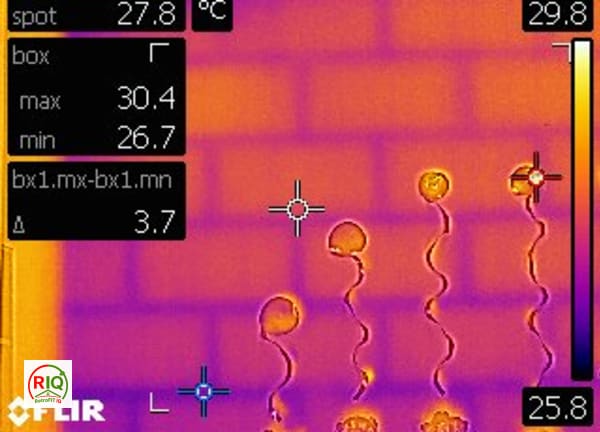
Thermal Bridging Visible Through Masonry Blockwork Wall

Sample Building Performance Investigation Report — Thermal Imaging
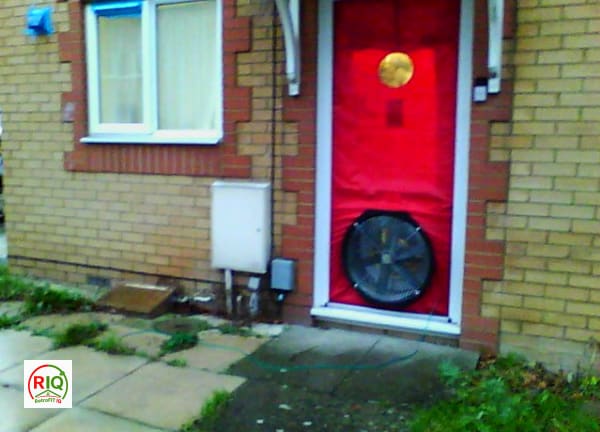
Blower Door Airtightness Test Setup

Thermal Bridge at Internal Corner Wall Junction

Ceiling / external-wall junction

Thermal Bridge at Wall-Ceiling Junction Near Window
No related investigations yet.
Browse all investigationsFrequently asked questions
Is secondary glazing worth it?+
Often yes. It cuts heat loss and draughts and is especially effective against noise, while keeping the original windows. For period and listed homes, and wherever noise is the main issue, it is frequently better value than full replacement.
Is secondary glazing as good as double glazing?+
For warmth it gives much of the benefit at lower cost; for noise it often outperforms double glazing thanks to the wider air gap and decoupled panes. Replacement may win only where the original windows are beyond repair or the slimmest modern look is wanted.
Does secondary glazing help with noise?+
Very much — it is one of the best solutions available. The large cavity and two independent panes suppress airborne noise across a broad range, which is why it is popular near busy roads, railways and flight paths.
Is it suitable for a listed or period home?+
Ideally. It improves thermal and acoustic performance while preserving the original windows completely and reversibly, which suits listed buildings and conservation areas where replacement is restricted or undesirable.
Will it stop condensation on my old windows?+
It helps. By warming the inner surface and sealing draughts it reduces room-side condensation on the original glass, though indoor humidity and ventilation still need to be adequate.
What are the downsides?+
It adds an inner frame and a second surface to open and clean, and is not quite invisible from inside. Where the original windows are rotten beyond repair, replacement may be more sensible.
How do you decide between secondary glazing and new windows?+
We establish whether warmth, draughts or noise is the priority, assess the existing windows and any constraints, and measure the room's losses — then recommend whichever gives the best value within a fabric-first plan.
Stop guessing — find the real cause
Do not spend money fixing symptoms before you understand the cause. Every home behaves differently, and the only reliable way to know what is happening in yours is professional building performance diagnostics. At RetrofitIQ we verify buildings using the right combination of investigations:
- Thermal imaging
- Blower door testing
- Moisture & dew point readings
- Ventilation review
- Building physics assessment
- Passive House methodology