
Is triple glazing worth it?
Triple glazing genuinely improves comfort and reduces heat loss at the window, with warmer internal glass that feels more comfortable to sit beside and less prone to condensation. But whether it is worth it depends on the whole building: in a home still losing most of its heat through uninsulated walls and air leakage, triple glazing is rarely the most cost-effective next step. Its real value emerges as part of a well-sequenced, fabric-first approach.
 Reviewed by George Sora, Certified Passive House DesignerUpdated June 2026
Quick answer & key takeaways
7 min read- Triple glazing warms the internal glass, improving comfort and cutting window loss.
- Warmer glass is also less prone to surface condensation.
- Its value depends on the whole building, not the window alone.
- In a leaky, uninsulated home, walls and air leakage usually matter more first.
- Biggest misconception: triple glazing is always the best upgrade. Sequence and context decide.
- Retrofit IQ's approach: measure where heat is lost, then place glazing in the right order.
What this usually means
Triple glazing adds a third pane and an extra insulating gap, lowering the window's U-value below typical double glazing. The most noticeable everyday benefit is a warmer internal pane: because the inner glass stays closer to room temperature, you radiate less heat to it, so it feels more comfortable to sit near, and it is less likely to fall below the dew point and mist up. For comfort and condensation at the window, triple glazing is a real improvement.
Whether that improvement is worth the cost depends on the rest of the building. Windows are usually a smaller area than the walls, so in a home that is losing large amounts of heat through uninsulated walls, a cold roof or air leakage, upgrading the glazing addresses a relatively small slice of the total loss while the big losses remain. The comfort gain at the window is real, but the energy and value case is weak if larger, cheaper-to-fix losses are untouched.
Triple glazing comes into its own as part of a fabric-first, whole-house approach — in a well-insulated, airtight home, or a new build, where the walls and roof are already handling their share and the windows become a meaningful proportion of the remaining loss. It is also valuable where comfort beside the glass, noise or condensation at the window are specific priorities. The question is therefore less 'is triple glazing good?' (it is) and more 'is it the right next step for this building?', which measurement answers.
Common causes
Cold internal glass with double glazing
Where the inner pane runs cold, triple glazing warms it, improving comfort and reducing condensation.
Larger heat losses elsewhere
Uninsulated walls, a cold roof or air leakage often lose far more than the windows, and should usually come first.
Window area relative to the home
The smaller the glazed area relative to the walls, the smaller triple glazing's share of total savings.
Comfort, noise or condensation priorities
Where comfort beside the glass, noise or window condensation are key, triple glazing's benefits are more directly valuable.
Stage of the retrofit
Its value rises once walls, roof and airtightness are already addressed.
Signs and symptoms
Cold, uncomfortable glass to sit beside
A cold inner pane that you feel beside indicates where triple glazing's comfort benefit applies.
Condensation on the inner glass
Misting on the inside of the glass shows a cold pane that warmer glazing would help.
Large uninsulated walls
Substantial wall losses suggest the walls, not the windows, are the bigger priority.
A draughty home
Significant air leakage usually outranks glazing as the next thing to address.
A well-insulated home with cold windows
In an otherwise warm, airtight home, the windows become a meaningful remaining loss where triple glazing pays off.
What most people check first
- Whether the walls, roof and airtightness have been addressed yet.
- How large the glazed area is relative to the walls.
- Whether comfort beside the glass, noise or condensation are specific priorities.
- Where the home's biggest heat losses actually are, measured rather than assumed.
What most people miss
- That triple glazing's value depends on the whole building, not the window alone.
- That walls and air leakage often lose more and should usually come first.
- That the comfort and condensation benefits at the glass are real even when the energy case is modest.
- That measuring the losses shows whether glazing is the right next step.
The building physics
A window's heat loss is its area multiplied by its U-value and the temperature difference. Triple glazing lowers the U-value and raises the inner-pane temperature, which improves comfort (less radiant loss to the glass) and reduces condensation risk (the pane stays above the dew point more of the time). These are genuine, physically sound benefits at the window. But because total fabric loss sums every element by area and U-value, the windows' contribution depends on how their area and U-value compare with the walls, roof and floor.
In many existing homes the walls present a far larger area at a poorer U-value than the windows, so they dominate the loss; air leakage adds a further large, distributed loss. Against that backdrop, improving only the windows trims a small part of the total, which is why a fabric-first sequence — walls, roof, airtightness, then glazing — usually delivers comfort and savings more cost-effectively. The same triple-glazing upgrade that barely moves the needle in a leaky solid-wall house is highly worthwhile in a well-insulated, airtight one where the windows are the remaining weak point.
Sequencing also protects the value of the work. Installed as part of a coherent whole-house plan, new windows can be detailed for airtightness and thermal-bridge-free reveals, multiplying their benefit; installed in isolation into an otherwise leaky, cold fabric, much of their potential is masked by the surrounding losses. Measuring where the home loses heat, and modelling the effect of glazing within the whole, turns 'is triple glazing worth it?' into a building-specific answer rather than a generic one.
How to decide if triple glazing is worth it
Measure where your home loses heat and consider the windows within the whole building, so glazing is chosen in the right order and for the right reasons.
- 01
Measure the whole-home losses
Calculate and map heat loss and air leakage to see how the windows compare with the walls, roof and floor.
- 02
Address the biggest losses first
Where walls, roof or air leakage dominate, treat those before, or alongside, the glazing.
- 03
Weigh comfort, noise and condensation
Where comfort beside the glass, noise or window condensation matter, factor triple glazing's direct benefits in.
- 04
Sequence glazing within the plan
Install windows as part of a fabric-first plan so reveals are detailed airtight and bridge-free.
- 05
Choose specification to suit
Match the glazing specification to the home's stage and goals rather than defaulting to the most panes.
- 06
Verify the benefit
Confirm warmer glass, reduced condensation and improved comfort after installation.
How to prevent it coming back
- Plan glazing as part of a whole-house, fabric-first strategy.
- Address walls, roof and airtightness before isolated window upgrades where they dominate losses.
- Detail window reveals airtight and bridge-free when replacing.
- Choose specification to match the building's stage and priorities.
How Retrofit IQ investigates this
We measure where the home loses heat and consider the windows within the whole building before recommending glazing.
Do not spend money fixing symptoms before you understand the cause — investigate first, then build with confidence.
Do I need a professional investigation?
Before committing to triple glazing, it is worth measuring where your home actually loses heat — so you know whether the windows are the right next step or whether the walls, roof or air leakage should come first, and so any new glazing is sequenced and detailed to deliver its full benefit.
Where to go next
Relevant services
Related comparisons
From the Academy
Related case studies
Evidence from Real Projects (19)
Real project and investigation images from our own fieldwork, matched to this page — not stock photography.

Sample Building Performance Investigation Report — Thermal Imaging
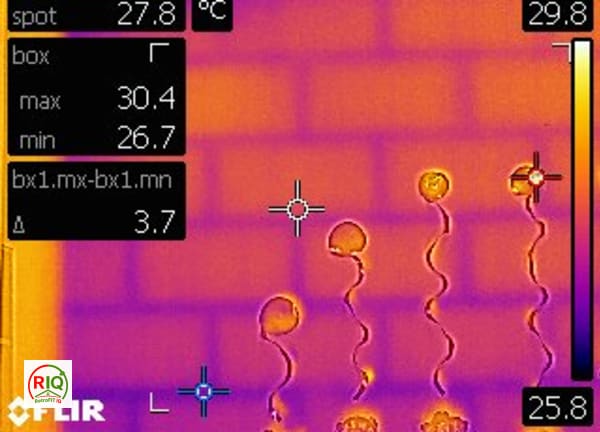
Thermal Bridging Visible Through Masonry Blockwork Wall

Thermal Bridge at Internal Corner Wall Junction

Thermal Bridge at Wall-Ceiling Junction Near Window
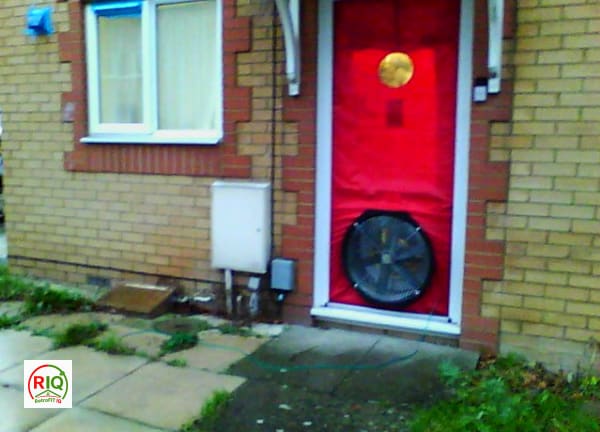
Blower Door Airtightness Test Setup
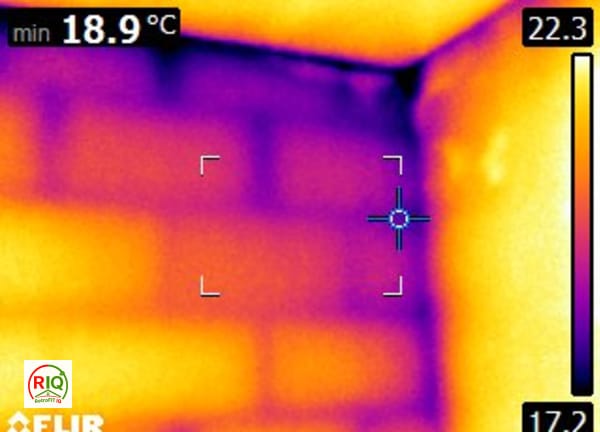
Cold wall surface vs warm ceiling
No related investigations yet.
Browse all investigationsFrequently asked questions
Is triple glazing worth it?+
It genuinely improves comfort and cuts loss at the window, but whether it is worth it depends on the whole building. In a leaky, uninsulated home the walls and air leakage usually matter more first; in a well-insulated, airtight home or new build, triple glazing pays off.
Is triple glazing better than double glazing?+
Thermally, yes — it lowers the window U-value and keeps the inner pane warmer, improving comfort and reducing condensation. Whether the extra benefit justifies the cost depends on the rest of the fabric.
Will triple glazing stop condensation?+
It reduces condensation on the glass by keeping the inner pane warmer, but if the home stays humid the moisture can move to the next-coldest surface. Glazing and ventilation should be considered together.
Should I get triple glazing or insulate the walls first?+
Usually the walls and air leakage first, because they often lose far more heat than the windows. Measuring the losses confirms the right order for your home.
When is triple glazing the right choice?+
When the walls, roof and airtightness are already addressed and the windows are the remaining weak point, in new builds, or where comfort beside the glass, noise or window condensation are specific priorities.
Does triple glazing help with noise?+
It can help, though the acoustic benefit depends on the glass build-up and the frame and seals as much as the number of panes. For noise specifically, the specification matters more than simply adding a pane.
How do you advise on glazing?+
We measure where the home loses heat, compare the windows with the other elements, weigh comfort and condensation, and sequence any glazing within a fabric-first plan.
Stop guessing — find the real cause
Do not spend money fixing symptoms before you understand the cause. Every home behaves differently, and the only reliable way to know what is happening in yours is professional building performance diagnostics. At RetrofitIQ we verify buildings using the right combination of investigations:
- Thermal imaging
- Blower door testing
- Moisture & dew point readings
- Ventilation review
- Building physics assessment
- Passive House methodology