
How do I choose the right windows for my house?
Choosing the right windows is not just about picking the lowest U-value or the cheapest quote — it depends on your home's heat loss, the orientation of each window, the home's character and the way the windows are fitted and sealed. The best glazing badly installed, or chosen without regard to solar gain and overheating, can disappoint; while a thoughtful choice matched to each elevation delivers warmth, comfort and light without unwanted summer heat. The right approach is to understand how your windows actually perform in your home before specifying, so the considerable spend matches the building rather than a generic recommendation.
 Reviewed by George Sora, Certified Passive House DesignerUpdated June 2026
Quick answer & key takeaways
6 min read- The right windows depend on heat loss, orientation, character and installation.
- Lowest U-value alone isn't the whole answer — solar gain matters too.
- Good glazing fitted badly still leaks heat and air.
- Different elevations may want different glazing.
- Biggest misconception: pick the best spec and you're done. Fit and orientation decide performance.
- RetrofitIQ's approach: assess each window's role before specifying the glazing.
What this usually means
Windows do several jobs at once: they lose heat, admit solar gain and daylight, provide ventilation and views, and shape the look of the house. The best choice balances these for each opening. A north-facing window gains little solar heat, so a low U-value matters most; a large south or west window gains a lot, so the glazing's solar control and the risk of summer overheating come into play; a period home may need slim-profile or heritage units to keep its character and comply with conservation constraints. Picking one glazing spec for the whole house ignores these differences.
Installation is just as decisive as the glazing. A window's real performance depends on how well it is fitted and sealed into the wall — air leakage and thermal bridging around the reveals can lose more than the glass — and on whether trickle ventilation is provided where the home needs it. So choosing well means starting from how your windows perform now: which lose the most heat, which face overheating risk, where condensation or draughts originate, and what the home's character and ventilation require. With that picture, the glazing, frames and installation detail can be specified per elevation, so the spend delivers warmth, comfort and light rather than a uniform product that suits no window perfectly.
Common causes
Orientation differences
North, south and west windows have different heat-loss and gain needs.
Whole-home heat loss
How much the windows lose relative to walls and roof shapes the priority.
Installation and sealing
Poor fitting loses heat and air around the frame.
Character and constraints
Period homes need sympathetic, sometimes heritage, units.
Signs and symptoms
Cold or draughty existing windows
Heat and air leaking through glass and around frames.
Overheating behind large glazing
South or west windows admitting too much solar heat.
Condensation on the glass
Cold glazing or a humidity issue to factor into the choice.
Period property
Character and conservation constraints to respect.
What most people check first
- How much your windows lose relative to the rest of the home.
- The orientation and overheating risk of each window.
- Whether the home's character needs sympathetic units.
- Whether installation and ventilation will be detailed well.
What most people miss
- That orientation should influence the glazing choice.
- That installation can lose more than the glass.
- That solar gain and overheating matter, not just U-value.
- That different elevations may want different windows.
The building physics
A window's heat balance combines its conductive loss (its U-value times area times temperature difference) with its solar gain (the glazing's solar factor times the incident sunlight), and the optimum trades these against daylight, comfort and overheating. On a north elevation with little sun, minimising the U-value is paramount; on a sunny south or west elevation, a high-solar-gain glazing can offset winter losses but raises summer overheating risk, so solar-control glazing and shading become relevant. Treating every window identically ignores this orientation-dependent optimum and can leave a home both colder in winter and hotter in summer than a tailored choice.
Installed performance then depends on the junction detail: air leakage and thermal bridging around the frame and reveal can dominate the loss and cause cold, condensing edges regardless of the glazing spec, and the ventilation strategy (trickle vents or otherwise) must suit the home's airtightness. Assessing the existing windows with thermal imaging and a blower door test reveals their real losses, leakage and any overheating or condensation issues, so the replacement can be specified per elevation — glazing, frame, installation detail and ventilation — to deliver the intended warmth, comfort and daylight. That building-specific approach is what makes an expensive window project worthwhile.
How to choose windows that suit your home
Assess how your windows perform now and the role of each opening, then specify glazing, frames, installation and ventilation per elevation rather than a single generic product.
- 01
Assess current performance
Measure where the windows lose heat and air.
- 02
Consider each orientation
Balance U-value and solar gain per elevation.
- 03
Respect the home's character
Choose sympathetic units where character or rules require.
- 04
Specify the installation
Detail sealing and bridging at the reveals.
- 05
Plan ventilation
Provide trickle or other ventilation suited to the home.
- 06
Verify the result
Confirm the windows deliver warmth, comfort and daylight.
How to prevent it coming back
- Don't choose windows on U-value or price alone.
- Account for orientation and overheating.
- Insist on well-detailed installation and sealing.
- Match the units to the home's character and ventilation needs.
How Retrofit IQ investigates this
We assess how your windows perform and the role of each opening so the replacement suits your home.
Do not spend money fixing symptoms before you understand the cause — investigate first, then build with confidence.
Do I need a professional investigation?
Before a costly window replacement, it is worth assessing how your current windows perform and the role of each opening. Thermal imaging and an airtightness check reveal the real losses, leakage and overheating risk, so the new windows can be specified per elevation and installed well — making the spend deliver warmth, comfort and light.
Choose the right windows for your home
Before a costly replacement, we assess how your windows actually perform — losses, leakage and overheating — so the spend suits each elevation.
- Thermal imaging of glazing & reveals
- Airtightness around the frames
- Per-elevation specification advice
Where to go next
Relevant services
Related comparisons
From the Academy
Related case studies
Evidence from Real Projects (16)
Real project and investigation images from our own fieldwork, matched to this page — not stock photography.
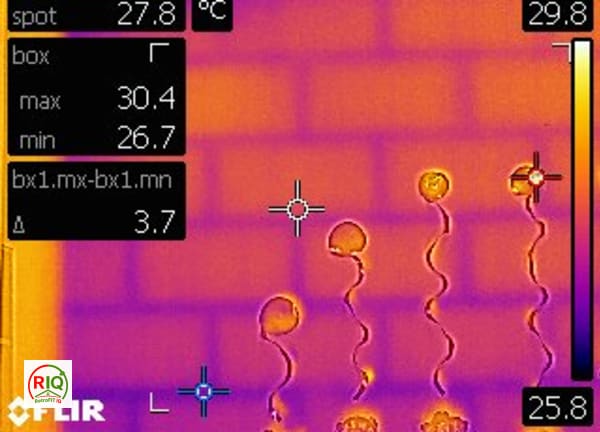
Thermal Bridging Visible Through Masonry Blockwork Wall

Thermal Bridge at Wall-Ceiling Junction Near Window
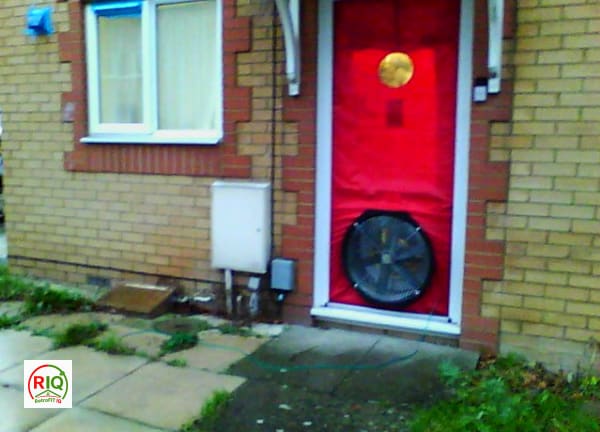
Blower Door Airtightness Test Setup

Sample Building Performance Investigation Report — Thermal Imaging

Thermal Bridge at Internal Corner Wall Junction

Airtightness Testing in a Stratford Victorian Terrace
No related investigations yet.
Browse all investigationsFrequently asked questions
How do I choose the right windows for my house?+
By starting from how your windows perform in your home, not just the glazing spec. The right choice depends on your heat loss, each window's orientation and overheating risk, the home's character, and the quality of installation and ventilation. Specified per elevation and fitted well, the windows deliver warmth, comfort and light.
Should I just pick the lowest U-value?+
Not always. A low U-value matters most on shaded, north-facing windows; on sunny south or west elevations, solar gain and summer overheating come into play, so solar-control glazing and shading may matter more. Balancing loss against gain per elevation gives a better result than one spec everywhere.
Does installation really matter that much?+
Yes — air leakage and thermal bridging around the frame and reveal can lose more than the glass itself, and cause cold, condensing edges. The best glazing fitted badly disappoints, so the installation detail and sealing are as important as the window you choose.
What about a period home?+
Period homes often need slim-profile or heritage units to keep their character and satisfy conservation constraints, and sometimes repair or secondary glazing is the better route. The choice has to respect the building's character as well as its thermal performance.
How do I know what my home needs?+
Assess the current windows: thermal imaging shows the real losses and reveal bridging, a blower door test measures the leakage, and an orientation review flags overheating risk. That building-specific picture lets you specify the right windows per elevation rather than guess.
Stop guessing — find the real cause
Do not spend money fixing symptoms before you understand the cause. Every home behaves differently, and the only reliable way to know what is happening in yours is professional building performance diagnostics. At RetrofitIQ we verify buildings using the right combination of investigations:
- Thermal imaging
- Blower door testing
- Moisture & dew point readings
- Ventilation review
- Building physics assessment
- Passive House methodology