Do I need a bigger boiler or better insulation?
When a home is cold or expensive to heat, the instinct is often to fit a bigger boiler. But a bigger boiler only adds more heat input to a building that may be losing heat too fast — it treats the symptom, not the cause. In most homes, better insulation and airtightness deliver more comfort, lower bills and a smaller heating system. Deciding correctly starts with measuring the heat loss.
 Reviewed by George Sora, Certified Passive House DesignerUpdated June 2026
Quick answer & key takeaways
8 min read- A bigger boiler adds heat input; insulation reduces heat loss — and loss is usually the real problem.
- Upsizing the boiler raises running costs and rarely fixes cold, draughty homes.
- Reducing heat loss makes the home warmer, cheaper to run and lets you fit a smaller, more efficient system.
- This decision is critical before a heat pump, which works best in a low-heat-loss home.
- The answer depends on measured heat loss, not assumption — fabric first, then size the system.
- Biggest misconception: more heating output equals more comfort. Less heat loss equals more comfort.
- Retrofit IQ's approach: measure heat loss and air leakage, then size the system to the improved fabric.
What this usually means
A heating system and the building it serves are two halves of one balance. The boiler (or heat pump) supplies heat; the building loses it. If a home is cold or costly to heat, you can either add more input (a bigger boiler) or reduce the loss (insulation and airtightness). Adding input keeps the underlying loss in place, so you go on paying to replace heat that escapes; reducing loss tackles the cause, so the home stays warm with less energy and a smaller system. For most homes, reducing loss is the better investment.
A bigger boiler also brings its own penalties. It costs more to buy and run, can short-cycle if oversized for the genuine demand, and does nothing for comfort problems caused by cold surfaces and draughts — you can have a powerful boiler and still feel cold beside a cold wall or in a draught. Insulation and airtightness, by contrast, warm the surfaces, cut the loss and reduce the heat the home needs, improving comfort and bills together.
The decision matters most when moving to a heat pump. Heat pumps deliver heat at lower temperatures than gas boilers and are most efficient and affordable in a home with low heat loss. Fitting a heat pump to a leaky, poorly insulated home means a larger, costlier unit running harder and less efficiently. Reducing heat loss first — fabric before plant — lets you install a smaller, cheaper, more efficient system. So the honest answer to 'bigger boiler or better insulation?' is usually insulation first, with the heating then sized to the improved building — and the way to be sure is to measure the heat loss.
Common causes
Diagnosing the symptom, not the cause
Upsizing the boiler treats the shortage of heat without addressing why the home loses so much in the first place.
High fabric heat loss
Poor insulation in walls, roof and floor means the home needs far more heat than it should — the real driver of cold and cost.
Air leakage
Draughts force the heating to reheat incoming cold air continuously, inflating demand regardless of boiler size.
Cold surfaces
A bigger boiler cannot fix the discomfort of cold walls and windows; only warming the surfaces does.
Sizing without measuring
Choosing a boiler or heat pump from rules of thumb rather than a measured heat-loss calculation leads to oversizing and waste.
Signs and symptoms
Cold and draughty despite adequate heating
If the system is not obviously faulty but the home is still cold, the issue is heat loss, which a bigger boiler will not solve.
High bills for modest comfort
Paying a lot to feel only moderately warm signals high heat loss rather than insufficient heating capacity.
Advice to upsize without a heat-loss calculation
Being told to fit a bigger boiler without anyone measuring the home's heat loss is a sign of guesswork.
Considering a heat pump
Planning a heat pump is the key moment to reduce heat loss first, so the system can be smaller and more efficient.
Short-cycling or oversized existing boiler
A boiler that fires briefly and often may already be oversized for the genuine demand.
What most people check first
- Whether the home is cold and draughty rather than the heating being faulty.
- Whether bills are high relative to the comfort achieved.
- Whether anyone has actually measured the home's heat loss.
- Whether a heat pump is being considered, making fabric-first decisions urgent.
What most people miss
- That a bigger boiler treats the symptom while leaving the heat loss in place.
- That insulation and airtightness improve comfort and bills and allow a smaller system.
- That heat pumps depend on low heat loss, so fabric should come first.
- That the system should be sized from a measured heat-loss calculation, not a rule of thumb.
The building physics
A building's heat demand is set by its heat loss: the sum of fabric loss (areas times U-values times temperature difference) and ventilation/air-leakage loss. The heating system simply needs to match that demand. If you reduce the loss — by insulating and improving airtightness — the demand falls, and a smaller system can keep the home warm. Adding a bigger boiler instead leaves the demand unchanged and meets it with more input, which is why it raises running costs without improving the underlying efficiency or comfort of the building.
Oversizing has real downsides beyond cost. A boiler much larger than the genuine demand tends to short-cycle — firing briefly, then stopping — which is inefficient and increases wear. Comfort, meanwhile, depends on warm surfaces and the absence of draughts, neither of which a larger boiler addresses. So the combination of high demand and oversized plant gives the worst outcome: expensive to run and still not comfortable. Reducing demand first, then sizing the plant to match, gives the best outcome on both counts.
For heat pumps the logic is sharper still. A heat pump's efficiency (its coefficient of performance) is highest when it supplies heat at a low flow temperature, which is feasible when heat loss is low and emitters are adequate. A high-heat-loss home forces higher flow temperatures and a larger, costlier unit running harder, eroding efficiency and economy. This is the basis of the 'fabric first' principle: reduce heat loss through insulation and airtightness, confirmed by a measured heat-loss calculation, then size the heat pump (or boiler) to the improved building. The measurement — thermal imaging, heat-loss assessment and a blower door test — is what makes the decision evidence-based rather than a guess between two expensive options.
How to decide — and get it right
Resolve the question with measurement, not assumption. Establish the real heat loss, reduce it where it is worst, then size the heating to the improved building.
- 01
Measure the heat loss
A heat-loss assessment with thermal imaging and a blower door test quantifies how much heat the building loses and where — the basis for any sound decision.
- 02
Reduce loss where it is greatest
Insulate the biggest, weakest elements and seal air leakage, cutting the heat demand and warming the surfaces for better comfort.
- 03
Recalculate the demand
With the fabric improved, recalculate the heat-loss figure so the heating can be sized to the building as it will actually be.
- 04
Size the system to the improved fabric
Specify a boiler or heat pump matched to the reduced demand — smaller, cheaper to run and, for heat pumps, far more efficient.
- 05
Avoid oversizing
Resist rules of thumb that lead to oversized plant and short-cycling; size from the measured demand.
- 06
Verify comfort and performance
Confirm the home is warm, the surfaces are warmer and the system holds comfort efficiently after the work.
How to prevent it coming back
- Reduce heat loss before changing or upsizing the heating system.
- Always base system sizing on a measured heat-loss calculation, not a rule of thumb.
- Treat fabric improvements as the foundation for an efficient heat pump.
- Avoid oversized plant that short-cycles and wastes energy.
- Warm surfaces and stop draughts to fix comfort that a bigger boiler cannot.
How Retrofit IQ investigates this
We measure the heat loss and air leakage first, so the decision between fabric and plant — and the sizing of any new system — rests on evidence.
Do not spend money fixing symptoms before you understand the cause — investigate first, then build with confidence.
Do I need a professional investigation?
This is one of the most valuable points to measure rather than guess, because the two options — a bigger boiler or better insulation — differ enormously in cost, comfort and running expense. A heat-loss investigation shows whether the building genuinely needs more heating capacity or, far more often, less heat loss, so you invest in the option that actually solves the problem.
It is essential before installing a heat pump. Sizing a heat pump to a high-heat-loss home leads to a larger, costlier, less efficient system; reducing heat loss first and sizing to the improved fabric is what makes a heat pump comfortable and affordable.
Where to go next
Relevant services
Related comparisons
From the Academy
Related case studies
Related problems you may also have
Evidence from Real Projects (17)
Real project and investigation images from our own fieldwork, matched to this page — not stock photography.
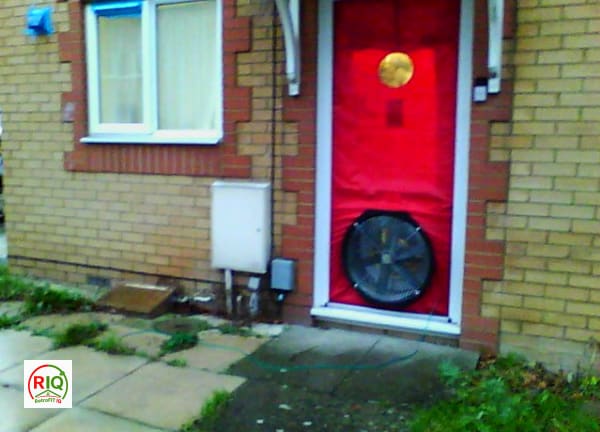
Blower Door Airtightness Test Setup
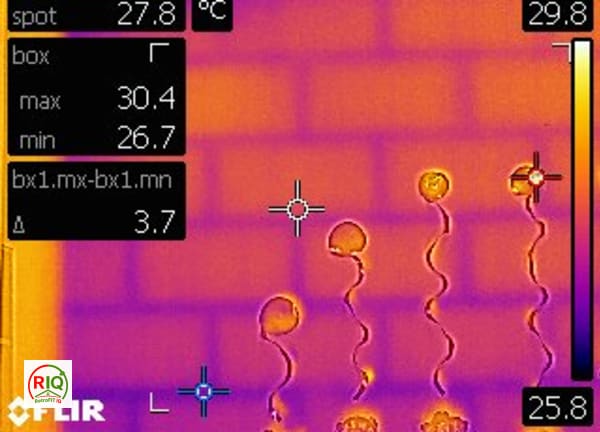
Thermal Bridging Visible Through Masonry Blockwork Wall

Sample Building Performance Investigation Report — Thermal Imaging

Acoustic Floor Upgrades: Mineral Wool Insulation Between Joists

Thermal Bridge at Internal Corner Wall Junction

Thermal Bridge at Wall-Ceiling Junction Near Window
No related investigations yet.
Browse all investigationsFrequently asked questions
Do I need a bigger boiler or better insulation?+
Usually better insulation. A bigger boiler adds heat input but leaves the heat loss in place, so the home stays expensive and often still feels cold. Reducing heat loss improves comfort and bills and lets you fit a smaller, more efficient system.
Will a bigger boiler lower my heating bills?+
No — it tends to raise them, because it meets the same high heat demand with more input and can short-cycle if oversized. Cutting heat loss lowers the demand and the bills.
Why does fabric come before a heat pump?+
Heat pumps are most efficient at low flow temperatures, which need low heat loss. Insulating and air-sealing first lets you fit a smaller heat pump that runs efficiently and cheaply.
Can a bigger boiler fix a cold, draughty house?+
Not really. Cold surfaces and draughts make a home feel cold regardless of boiler size. Insulation and airtightness warm the surfaces and stop the draughts, which a boiler cannot.
How is the right system size decided?+
From a measured heat-loss calculation of the building, ideally after fabric improvements. Sizing from rules of thumb leads to oversized, inefficient plant.
Is my existing boiler oversized?+
Possibly, if it fires briefly and often (short-cycles). A heat-loss assessment shows the genuine demand and whether the current system is matched to it.
How do you decide between the two for my home?+
We measure the heat loss and air leakage, identify where insulation and airtightness will cut demand most, then size any new heating to the improved fabric — so the spend goes to the option that solves the problem.
Stop guessing — find the real cause
Do not spend money fixing symptoms before you understand the cause. Every home behaves differently, and the only reliable way to know what is happening in yours is professional building performance diagnostics. At RetrofitIQ we verify buildings using the right combination of investigations:
- Thermal imaging
- Blower door testing
- Moisture & dew point readings
- Ventilation review
- Building physics assessment
- Passive House methodology