
Fabric-First vs System-First: Getting a Home Heat-Pump Ready
Fabric-first vs System-first.
 Reviewed by George Sora, Certified Passive House DesignerUpdated June 2026
Quick answer & key takeaways
5 min read- Bottom line: Fabric-first reduces heat loss before the heat pump is sized, so the pump is smaller, runs cooler and costs less to run; system-first installs the pump to suit the house as it stands.
- When Fabric-first is enough: You want the lowest running cost and carbon over the system's life
- When System-first is the better choice: A heating system has failed and must be replaced now
- When you need both: A phased plan: essential fabric measures now, pump sized to the reduced load, remaining fabric later
- Biggest misconception: “Heat pumps don't work in old houses.” — They work well once heat loss is addressed; the issue is rarely the pump and usually the fabric and emitter sizing.
- Retrofit IQ’s approach: We size heat pumps from a measured, room-by-room heat loss, not a rule of thumb — and we quantify where that heat is being lost with thermal imaging and a blower door first.
Quick answer
Fabric-first reduces heat loss before the heat pump is sized, so the pump is smaller, runs cooler and costs less to run; system-first installs the pump to suit the house as it stands. Fabric-first is almost always the better long-term engineering decision because heat-pump efficiency depends on flow temperature, which depends on heat loss and emitter sizing. System-first can make sense where deep fabric work is impractical now, but it should be planned so the fabric can still be improved without oversizing the plant.
At a glance
| Attribute | Fabric-first | System-first |
|---|---|---|
| Order of works | Reduce demand, then size pump | Size pump to existing demand |
| Resulting pump size | Smaller | Larger |
| Flow temperature | Lower (35–45°C) | Higher (often 50–55°C) |
| Running efficiency (SCOP) | Higher | Lower |
| Emitter changes | Fewer / smaller | More / larger |
| Upfront disruption | Higher (fabric works) | Lower initially |
| Long-term running cost | Lower | Higher |
What is Fabric-first?
Reduce the building's heat loss first — insulation, airtightness, glazing and thermal-bridge detailing — so the heat pump can be smaller, run at lower flow temperatures and operate efficiently. The order is: lower the demand, then size the system to the reduced load.
What is System-first?
Fit a heat pump to the house broadly as it is, sizing it (and the emitters) to the existing high heat loss. It can deliver low-carbon heat sooner and with less disruption, but at higher flow temperatures, larger plant and emitters, and higher running cost unless the fabric is improved later.
What each method measures — and what it doesn’t
Fabric-first
- Design heat loss after fabric improvements, used to size a smaller pump
- Achievable low flow temperatures and the resulting seasonal efficiency
- Airtightness and thermal-bridge reductions that cut the load
- The disruption and cost of the fabric works themselves, which must be weighed separately
System-first
- Existing design heat loss, used to size the pump and emitters as-is
- The flow temperature needed to meet that load through current emitters
- The efficiency and running-cost penalty of leaving heat loss high
- Whether the oversized plant will be a poor fit once fabric is improved later
The building science
A heat pump's efficiency — its seasonal coefficient of performance (SCOP) — falls as the flow temperature it must deliver rises, because the temperature lift between the outside air and the heating water is what the compressor has to work against. To run cool and efficiently, the emitters must be able to deliver the required heat at a low flow temperature, and that is only possible if the room heat losses are modest. So efficiency, flow temperature, emitter size and fabric heat loss are all linked: lower the fabric loss and the whole chain improves.
Fabric-first works with that physics. By cutting heat loss with insulation, airtightness and better glazing first, the design heat load drops, the pump can be smaller, the existing radiators are more likely to cope at low flow temperatures, and the SCOP rises — lowering both running cost and carbon. It also reduces peak demand, easing electrical and plant sizing. The cost is upfront disruption and capital for the fabric works.
System-first delivers low-carbon heat sooner and with less initial upheaval, which is sometimes the pragmatic or only feasible route — for example where occupants cannot face fabric works yet, or where the building is constrained. The risk is locking in an oversized, higher-temperature system that runs less efficiently and that fits poorly if the fabric is improved later. Done well, system-first is sequenced and documented so the fabric can still be upgraded and the controls and emitters re-tuned to lower flow temperatures afterwards.
Key differences
- Fabric-first lowers demand before sizing; system-first sizes to the existing demand.
- Fabric-first yields a smaller pump at lower flow temperatures; system-first yields larger plant at higher temperatures.
- Fabric-first improves SCOP and running cost; system-first sacrifices efficiency for speed.
- Fabric-first usually needs fewer emitter upgrades; system-first often needs larger radiators or underfloor heating.
- System-first delivers low-carbon heat sooner but risks oversizing if the fabric is later improved.
Common misconceptions
Myth: Heat pumps don't work in old houses.
They work well once heat loss is addressed; the issue is rarely the pump and usually the fabric and emitter sizing.
Myth: You must reach Passive House before fitting a heat pump.
No — you need the design heat loss low enough for the chosen emitters to deliver it at a sensible flow temperature, which is a far lower bar.
Myth: A bigger heat pump is safer.
Oversizing harms efficiency and causes cycling; correct sizing to an accurate, ideally reduced, heat loss is what matters.
Real-world situations
Cold, leaky home planning a heat pump
Fabric-first — improve insulation and airtightness, recalculate the heat loss, then size a smaller pump at low flow temperature.
Failing boiler, urgent replacement, limited time for works
System-first can be justified, but size on an accurate heat loss and plan fabric upgrades so the system is not locked in oversized.
Mid-condition home with some budget
Targeted fabric measures with the biggest load impact first, then size the pump to the reduced demand.
Which do you actually need?
When Fabric-first is enough
- You want the lowest running cost and carbon over the system's life
- The home has significant, addressable heat loss
- You can sequence fabric works before or alongside the install
When System-first is the better choice
- A heating system has failed and must be replaced now
- Deep fabric works are genuinely impractical at present
- Speed of decarbonisation outweighs short-term efficiency
When you need both
- A phased plan: essential fabric measures now, pump sized to the reduced load, remaining fabric later
What Retrofit IQ checks on site
We size heat pumps from a measured, room-by-room heat loss, not a rule of thumb — and we quantify where that heat is being lost with thermal imaging and a blower door first. That lets us show the efficiency and cost difference between fitting the pump as-is and reducing the fabric load first, so the decision is made on numbers, not assumptions.
- Room-by-room heat-loss calculation to a recognised method, not a rule of thumb
- Thermal imaging and blower door testing to quantify where the load actually is
- Assessment of existing emitters and the flow temperature they can deliver at
- Modelling of fabric measures and their effect on design heat loss and SCOP
- Identification of thermal bridges and airtightness defects that inflate the load
- A sequenced plan so any system-first install is not locked in oversized
What a Certified Passive House Designer recommends
Fabric-first is almost always the right engineering answer, because everything that makes a heat pump efficient — low flow temperature, small plant, manageable emitters — follows from a low heat loss. I would far rather reduce a home's demand and fit a modest, cool-running pump than oversize plant to push heat into a leaky house.
That said, I am pragmatic. When a boiler has failed and there is no time for deep fabric work, a carefully sized system-first install is defensible — provided it is based on an accurate heat-loss calculation and a plan that keeps the door open to fabric upgrades, rather than locking in an oversized, high-temperature system.
— George Sora, Certified Passive House Designer, Founder, RetrofitIQ
Reviewed using current building physics principles and Passive House methodology.
Related services
Related comparisons
Related investigations
Compare another way
Closely related comparisons our clients read next.
Heat Pump vs Gas Boiler: The Fabric-First View
A heat pump rewards a home with low heat loss and runs efficiently at low flow temperatures; a gas boiler can brute-force heat into a leaky home but masks fabric faults.
Read comparisonLow-Temperature vs High-Temperature Heat Pump System
A low-temperature system runs the heat pump at 35–45°C for maximum efficiency, but needs larger emitters and a modest heat loss; a high-temperature system runs at 55–65°C to suit existing radiators, at the cost of efficiency and running cost.
Read comparisonHeat Pump Sizing: Room-by-Room vs Rule of Thumb
A room-by-room heat-loss calculation sizes the heat pump and emitters from the building's actual fabric and losses; a rule of thumb guesses from floor area or the old boiler.
Read comparisonAir Source vs Ground Source Heat Pump
An ASHP takes heat from the outside air and is cheaper and simpler to install; a GSHP takes heat from the more stable ground and is more efficient but far more costly because of the ground loops or boreholes.
Read comparisonEvidence from Real Projects (19)
Real project and investigation images from our own fieldwork, matched to this page — not stock photography.

Sample Building Performance Investigation Report — Thermal Imaging
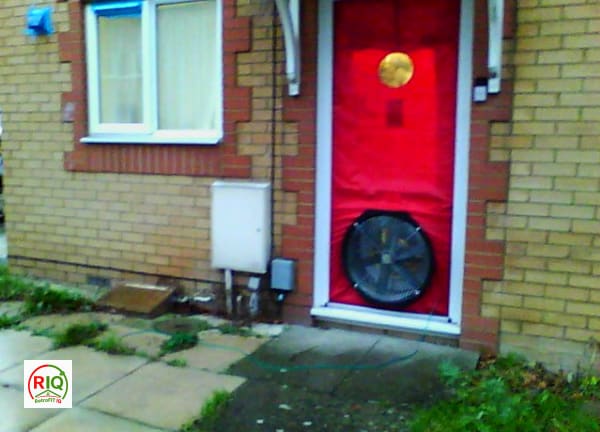
Blower Door Airtightness Test Setup
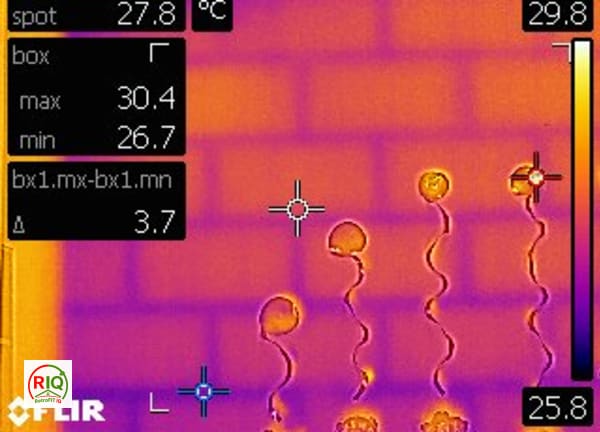
Thermal Bridging Visible Through Masonry Blockwork Wall

Thermal Bridge at Wall-Ceiling Junction Near Window

Acoustic Floor Upgrades: Mineral Wool Insulation Between Joists

Thermal Bridge at Internal Corner Wall Junction
No related investigations yet.
Browse all investigationsFrequently asked questions
Do I need to insulate before fitting a heat pump?+
Not always, but reducing heat loss first lets you fit a smaller pump that runs cooler and cheaper. Where it is feasible, fabric-first is the better long-term decision.
Will a heat pump work in my old house?+
Yes, once the heat loss and emitters are right. Older homes usually need some fabric improvement or larger emitters to run efficiently at low flow temperatures.
Why does flow temperature matter so much?+
A heat pump's efficiency falls as flow temperature rises. Low flow temperatures (35–45°C) require modest heat loss and adequately sized emitters.
Is system-first ever the right choice?+
Yes — for example when a boiler fails and there is no time for fabric works. It should be sized on an accurate heat loss and planned so fabric can still be improved.
Does oversizing a heat pump help?+
No. Oversized pumps cycle, run less efficiently and cost more. Correct sizing to an accurate heat loss is what matters.
How do you decide the right order?+
From a measured heat loss and an assessment of fabric and emitters, modelling how fabric measures change the load, efficiency and cost.
Can I keep my existing radiators?+
Often yes, especially after fabric improvements lower the heat loss; some rooms may need larger emitters to run at low flow temperatures.
Does airtightness affect heat-pump performance?+
Yes — uncontrolled air leakage adds to heat loss, so improving airtightness reduces the load the pump must meet and improves efficiency.
Need professional advice?
A comparison like this helps you understand the theory, but every property behaves differently. The only reliable way to establish the real cause in your home — rather than guessing — is professional building performance diagnostics. At RetrofitIQ we verify buildings using the appropriate combination of investigations:
- Thermal imaging
- Blower door testing
- Moisture investigation
- Building physics assessment
- Passive House methodology