
Why are my heating bills so high with a heat pump?
A heat pump that produces high bills is usually running inefficiently, and that almost always comes down to one of three things: it is running at too high a flow temperature, it is badly controlled, or the home loses heat faster than it should. A heat pump's efficiency — how much heat it delivers per unit of electricity — depends heavily on running at the lowest flow temperature that still keeps the home warm, on running steadily rather than blasting on and off, and on the building not bleeding heat through poor insulation and air leakage. When bills are high, the heat pump is rarely the fault; the set-up or the fabric is dragging its efficiency down, and both are measurable and fixable.
 Reviewed by George Sora, Certified Passive House DesignerUpdated June 2026
Quick answer & key takeaways
7 min read- High heat-pump bills usually mean low efficiency, not a faulty unit.
- A high flow temperature is the biggest efficiency killer.
- Poor controls — on/off use, no weather compensation — waste energy.
- A leaky, under-insulated home forces the pump to work harder.
- Biggest misconception: heat pumps are just expensive. Set up well, they're efficient.
- RetrofitIQ's approach: diagnose flow temperature, controls and fabric to restore efficiency.
What this usually means
A heat pump's running cost is governed by its efficiency, usually expressed as a coefficient of performance — the ratio of heat delivered to electricity used. The single biggest influence on that efficiency is the flow temperature: the cooler the water the pump has to produce, the more efficient it is, so a system forced to run hot (often to compensate for undersized radiators) consumes far more electricity for the same heat. If your radiators are too small, the installer may have raised the flow temperature to deliver enough warmth, and the bills follow. Getting the emitters right so the flow temperature can come down is frequently the largest single saving available.
Controls are the next factor. Heat pumps are most efficient running long and steady with weather compensation — automatically matching the flow temperature to how cold it is outside — rather than being switched hard on and off like a boiler. A heat pump left on boiler-style controls, with no weather compensation or with setback schedules that force hard reheats, runs hotter and cycles more, both of which cut efficiency and raise cost. Many 'expensive' heat pumps are simply set up like a boiler, and correcting the controls restores much of the efficiency for nothing.
The third factor is the building. A heat pump in a leaky, under-insulated home has to deliver a lot of heat just to keep up, and may be forced to run hot on cold days — so the same fabric problems that make any home expensive to heat hit a heat pump's running cost too. Reducing the heat loss with insulation and airtightness lowers the demand, lets the pump run cooler and steadier, and cuts the bills. Diagnosing high heat-pump bills therefore means checking the flow temperature and controls first, then measuring the fabric loss — so the efficiency is restored through the cheapest effective combination of set-up correction, emitter upsizing and fabric improvement.
Common causes
High flow temperature
The biggest efficiency killer, often caused by undersized radiators.
Poor controls
On/off use and no weather compensation force hot, inefficient running.
High fabric heat loss
A leaky, under-insulated home makes the pump work harder for longer.
Undersized emitters
Small radiators push up the flow temperature and the bills.
Signs and symptoms
Bills higher than expected
Suggests the system is running at low efficiency.
Hot radiators with a heat pump
Very hot emitters mean a high, inefficient flow temperature.
Frequent cycling on and off
Short cycling indicates poor controls cutting efficiency.
Cold, draughty home
High fabric loss forcing the pump to work harder and run hot.
What most people check first
- What flow temperature the heat pump is running at.
- Whether weather compensation is enabled and the controls are correct.
- Whether the radiators are large enough to allow a low flow temperature.
- Whether the home's heat loss is high through poor fabric and leakage.
What most people miss
- That flow temperature, not the unit, usually drives the bills.
- That heat pumps shouldn't be controlled like a boiler.
- That undersized radiators force an inefficient, hot flow temperature.
- That reducing heat loss lets the pump run cooler and cheaper.
The building physics
A heat pump moves heat rather than burning fuel, and the energy it must spend to do so rises steeply with the temperature lift between the outside air (or ground) and the flow water it produces. Every degree the flow temperature can be lowered improves the coefficient of performance, so a system delivering water at a high temperature can use far more electricity than one delivering at a low temperature for the same heat. This is why emitter sizing and flow temperature dominate running cost: undersized radiators force a high flow temperature, which forces a low efficiency, which forces high bills. Upsizing emitters or adding surface so the flow temperature can drop is therefore directly a cost saving, not just a comfort measure.
Steady, weather-compensated operation compounds the gain. A heat pump that modulates gently to match a continuously varying low flow temperature avoids the inefficient hard reheats and short cycling caused by boiler-style on/off control, keeping the average flow temperature — and so the running cost — low. And because the total heat the pump must deliver is set by the building's heat loss, reducing that loss through insulation and airtightness lowers both the quantity of heat needed and the flow temperature required on cold days. Diagnosing high bills means measuring all three: reading the flow temperature and controls, checking emitter output, and quantifying the fabric loss with thermal imaging and a blower door test — so the efficiency is restored by the most cost-effective mix of correcting set-up, upsizing emitters and improving fabric, rather than by accepting that the heat pump is simply expensive.
How to cut high heat-pump bills
Get the flow temperature down — through correct controls, weather compensation and adequately sized emitters — and reduce the fabric heat loss so the pump runs cool, steady and cheap.
- 01
Check the flow temperature
Establish how hot the pump is running and why.
- 02
Enable weather compensation
Let the system match flow temperature to the weather and run steadily.
- 03
Upsize emitters
Fit larger radiators or underfloor heating so the flow temperature can drop.
- 04
Reduce the heat loss
Insulate and seal to lower the demand and the required temperature.
- 05
Correct the controls
Avoid boiler-style on/off use and unnecessary setbacks.
- 06
Verify the saving
Confirm efficiency and bills improve at the lower flow temperature.
How to prevent it coming back
- Run the lowest flow temperature that keeps the home warm.
- Use weather compensation and steady running, not on/off control.
- Size emitters so a low flow temperature delivers enough heat.
- Reduce fabric heat loss to lower demand and running cost.
How Retrofit IQ investigates this
We diagnose why a heat pump's running cost is high — flow temperature, controls or fabric — and how to cut it.
Do not spend money fixing symptoms before you understand the cause — investigate first, then build with confidence.
Do I need a professional investigation?
If a heat pump is costing far more than expected, it is worth an independent review of the flow temperature, controls and emitter sizing, plus a fabric heat-loss assessment. Measuring why the efficiency is low shows whether the saving lies in better controls, bigger emitters or reduced heat loss — usually restoring the running cost a heat pump should achieve.
Find out why your heating isn't delivering
Before upsizing radiators or blaming the heat pump, measure the heat loss and emitter sizing — the real cause is usually the building, not the boiler.
- Room-by-room heat-loss assessment
- Emitter & flow-temperature review
- Fabric-first plan to cut bills
Where to go next
Relevant services
Related comparisons
From the Academy
Related case studies
Related problems you may also have
Evidence from Real Projects (16)
Real project and investigation images from our own fieldwork, matched to this page — not stock photography.
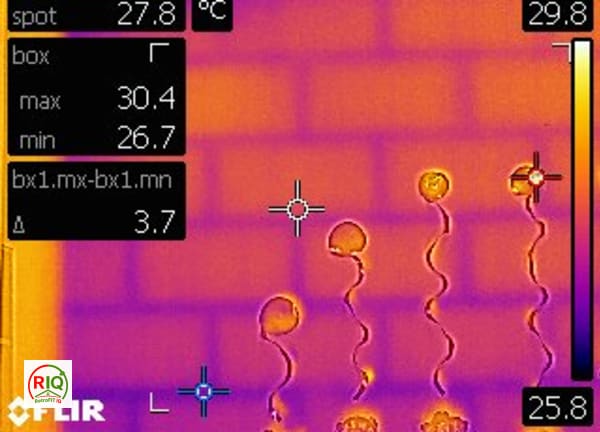
Thermal Bridging Visible Through Masonry Blockwork Wall

Sample Building Performance Investigation Report — Thermal Imaging
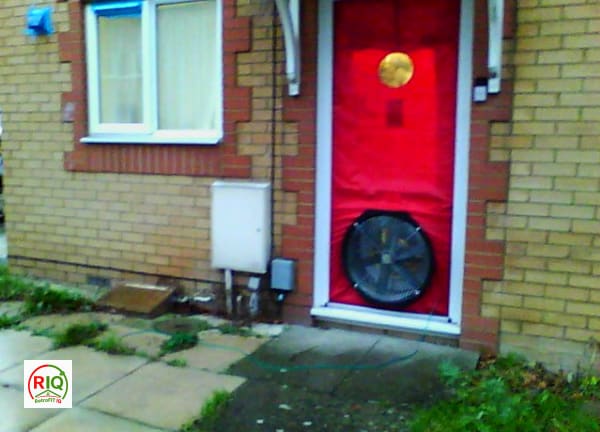
Blower Door Airtightness Test Setup

Thermal Bridge at Internal Corner Wall Junction

Thermal Bridge at Wall-Ceiling Junction Near Window

Acoustic Floor Upgrades: Mineral Wool Insulation Between Joists
No related investigations yet.
Browse all investigationsFrequently asked questions
Why are my heating bills so high with a heat pump?+
Almost always because the system is running inefficiently — at too high a flow temperature, with poor controls, or in a home that loses heat too fast. A heat pump's efficiency depends on running cool and steady in a reasonably insulated home. Correcting the flow temperature and controls, sizing the emitters and reducing heat loss usually cuts the bills substantially.
Does flow temperature really affect running cost that much?+
Yes — it's the biggest single factor. The cooler the water the pump has to produce, the more efficient it is, so a system forced to run hot to feed undersized radiators uses far more electricity for the same heat. Getting the flow temperature down is often the largest available saving.
Should my heat pump be on all the time?+
Heat pumps are most efficient running long and steady with weather compensation, rather than switched hard on and off like a boiler. Boiler-style controls and aggressive setbacks force hot reheats and cycling that waste energy, so correct controls alone can cut bills noticeably.
Will more insulation lower my heat-pump bills?+
Usually, yes. Reducing the heat loss lowers the demand and lets the pump run cooler and steadier, both of which improve efficiency. In a leaky, under-insulated home, fabric improvements are often the most cost-effective way to bring a heat pump's running cost down.
How do I find out why mine is so expensive?+
Have the flow temperature, controls and emitter sizing reviewed, and the fabric heat loss measured with thermal imaging and an airtightness test. That reveals whether the saving lies in set-up, bigger emitters or insulation, so the efficiency is restored by the most cost-effective route.
Stop guessing — find the real cause
Do not spend money fixing symptoms before you understand the cause. Every home behaves differently, and the only reliable way to know what is happening in yours is professional building performance diagnostics. At RetrofitIQ we verify buildings using the right combination of investigations:
- Thermal imaging
- Blower door testing
- Moisture & dew point readings
- Ventilation review
- Building physics assessment
- Passive House methodology