
The symptoms
- The house takes hours to warm up and cools down quickly when the heating goes off
- The boiler or heat pump runs almost constantly in winter
- Some rooms never reach a comfortable temperature
- High bills with low comfort
The building physics: heat-loss rate vs heat-up time
A hard-to-heat home has a high rate of heat loss: heat leaves through the walls, roof, floor, windows and — crucially — through uncontrolled air leakage, faster than the heating can replace it. Two things follow. First, the home cools quickly when the heating goes off, because there is little to hold the warmth in. Second, it warms slowly, because much of the heat going in is immediately lost rather than raising the temperature.
Air leakage is the most underestimated part of this. A leaky envelope behaves like leaving a window permanently open — every air change carries warmth straight outside. As insulation improves, this uncontrolled leakage becomes a proportionally larger share of the remaining heat loss, which is why air-sealing is so often the missing piece.
The likely causes
- Uninsulated or under-insulated walls, roof and floor
- High air leakage (a leaky envelope behaves like leaving a window open)
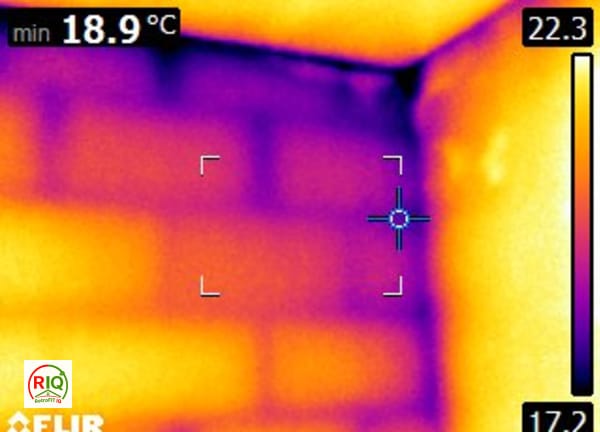
- Thermal bridges and cold surfaces dragging down comfort
- Old glazing and leaky window/door perimeters
Common mistakes homeowners make
- Upgrading the heating system before reducing the heat loss
- Treating insulation and airtightness as optional extras rather than the main lever
- Doing piecemeal works with no measured baseline to judge what worked
How RetrofitIQ investigates a hard-to-heat home
- A measured, room-by-room heat-loss assessment of the fabric
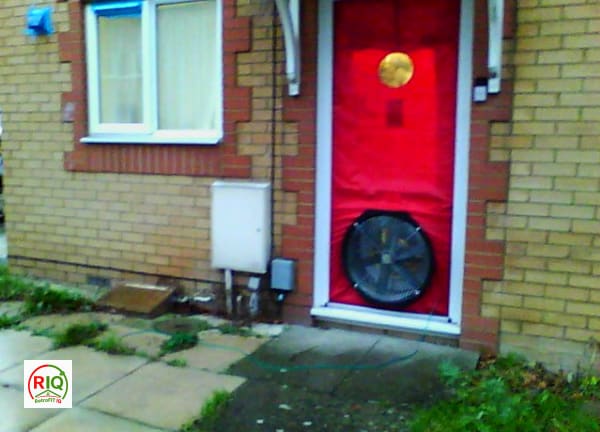
- Blower door testing to quantify air leakage (ACH₅₀) and locate it
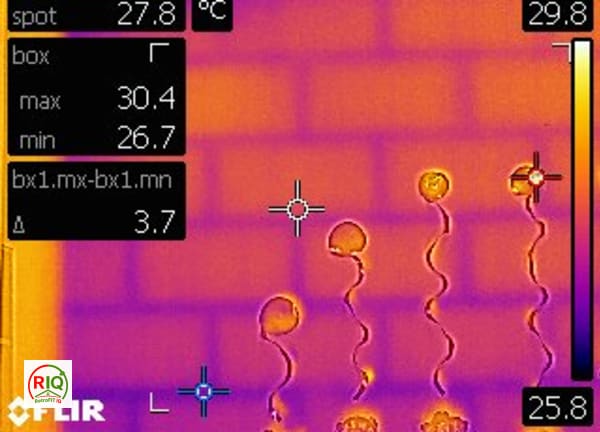
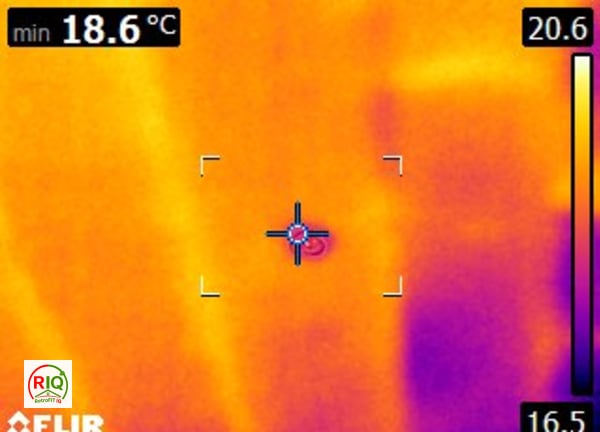
- Thermal imaging to find missing insulation and thermal bridges
- A fabric-first plan: reduce demand, then right-size the heating
- Verification so you can prove the home is easier (and cheaper) to heat