
Why do I feel a draught from my electrical sockets and switches?
Feeling cold air whisper out of a plug socket or light switch is a clear sign that air is leaking through the wall behind it — usually from a cold, draughty cavity or void that connects to the outside. The socket back-box is open into that space, and the faceplate is not sealed, so whenever there is a pressure difference, air is pushed through the box and into the room. It is a small but telling leak, and it often points to larger leakage paths within the wall.
 Reviewed by George Sora, Certified Passive House DesignerUpdated June 2026
Quick answer & key takeaways
7 min read- A draught from a socket means air is leaking through the wall cavity behind it.
- The back-box is open into a cold void connected to outside, and the faceplate does not seal it.
- It is most common on external walls and signals wider leakage in the construction.
- It can be sealed safely with proper measures, but electrical safety must come first.
- Biggest misconception: it is just the socket. It reveals a leaky wall cavity behind it.
- Retrofit IQ's approach: trace the wider leakage and seal it as part of an airtightness plan.
What this usually means
An electrical socket or switch sits in a metal or plastic back-box recessed into the wall, with cables entering it through knock-out holes from the cavity, void or chase behind. That space is often connected — directly or indirectly — to the cold outside, to a draughty masonry cavity, or to the floor and ceiling voids. Because the faceplate is not airtight and the back-box is open to the void via the cable holes, the socket becomes a ready-made hole in the wall through which air can pass whenever inside and outside pressures differ.
On a windy or cold day, the stack effect and wind pressure drive air through these paths, and you feel it as a cold draught emerging from the socket or switch, sometimes with a faint whistle. It is most noticeable on external walls and on the windward side of the house, and in homes with unfilled cavities or open service voids. While the leak at any one socket is modest, sockets and switches are numerous, and the draught from them is usually a symptom of a wider leakage problem in the wall and its voids rather than an isolated fault.
The encouraging part is that it is straightforward to address, provided electrical safety comes first. Air leakage at sockets is sealed with proper measures — airtight back-boxes or back-box seals, sealing the cable entries, and tackling the cavity or void leakage feeding them — work that should be done by or with a competent electrician where the wiring is involved. Because the socket draught flags a leaky wall, it is best handled as part of a broader airtightness assessment, so the actual leakage paths behind the sockets are found and sealed, not just the faceplates.
Common causes
Open back-box into a void
Cable holes leave the back-box open to a cold cavity or void, so air passes straight into the room.
Unsealed faceplate
The socket or switch plate does not seal against the wall, allowing air through the gap around it.
Connected wall cavity
An unfilled or leaky masonry cavity links the back-box to the cold outside air.
Open floor and ceiling voids
Service voids behind walls connect to draughty floor and loft spaces, feeding the leak.
Wind and stack pressure
Pressure differences push air through the path, felt most on external and windward walls.
Signs and symptoms
Cold air from a socket or switch
Feeling a draught at a socket confirms air is leaking through the wall void behind it.
Worse on windy or cold days
A draught that strengthens with wind reflects pressure-driven leakage through the cavity.
Mostly on external walls
Sockets on outside walls draught more because the void connects to the cold exterior.
Faint whistle at the faceplate
A whistling sound around the socket plate indicates significant airflow through it.
Cold patch around the socket
A chilly area on the wall by the socket suggests cold air entering the void behind.
What most people check first
- Whether the draughty sockets are on external or windward walls.
- Whether the draught worsens with wind, indicating cavity leakage.
- Whether the wall cavity or service voids are open and connected to outside.
- Whether any sealing work can be done safely with a competent electrician.
What most people miss
- That a socket draught reveals a leaky wall cavity, not just a gap at the faceplate.
- That sockets are numerous, so collectively they leak a meaningful amount.
- That sealing must respect electrical safety and involve a competent electrician.
- That the real fix tackles the void behind, not only the faceplate.
The building physics
A socket draught is pressure-driven flow through a series path: from outside or a cold void, through the cavity or service void, into the open back-box via the cable knock-outs, and out around the unsealed faceplate into the room. Each element offers a route of low resistance, and the driving force is the pressure difference created by wind and the stack effect. Because the back-box deliberately has openings for the cables and the faceplate is not designed to be airtight, the socket is effectively a manufactured leakage point wherever the wall behind it connects to colder air.
The reason it concentrates on external and windward walls is that those experience the largest pressure differences and are most likely to connect to the cold exterior through an unfilled cavity. The same leakage paths usually feed other points too — skirtings, coving, where pipes and cables penetrate — so a draughty socket is a visible marker of a generally leaky wall and void system. Treating only the faceplate, with a foam gasket, helps a little but leaves the underlying cavity leakage intact, which is why a thorough approach addresses the void.
Effective sealing therefore works back along the path. Airtight back-boxes or proprietary back-box membranes seal the box and its cable entries; the faceplate gasket closes the residual gap; and the broader cavity or void leakage is reduced as part of wall and junction air-sealing. All of this must be subordinate to electrical safety — disconnection, correct materials and a competent electrician where wiring is touched. Done as part of an airtightness plan informed by a blower door test, sealing socket leakage contributes to a measurable reduction in overall infiltration rather than just curing one annoying draught.
How to seal draughty sockets safely
Treat the socket draught as a sign of wall-void leakage. Seal the back-box and faceplate properly and address the cavity behind — always with electrical safety first.
- 01
Confirm the leakage path
Establish that air is coming through the back-box from a cold cavity or void behind the wall.
- 02
Involve a competent electrician
Ensure any work touching the wiring is done safely by or with a qualified electrician.
- 03
Seal the back-box and cables
Fit an airtight back-box or membrane and seal the cable entries so the box no longer leaks.
- 04
Gasket the faceplate
Add a faceplate seal to close the residual gap around the socket or switch.
- 05
Address the cavity leakage
Reduce the wider cavity or void leakage feeding the sockets as part of wall air-sealing.
- 06
Verify with a blower door
Re-test to confirm the sealing has reduced the home's overall air leakage.
How to prevent it coming back
- Use airtight back-boxes and faceplate seals when rewiring or decorating.
- Seal cavity and service-void leakage as part of airtightness work.
- Always involve a competent electrician for socket sealing.
- Treat socket draughts as a prompt to assess wider wall leakage.
How Retrofit IQ investigates this
We trace the leakage feeding the sockets and seal it safely as part of a measured airtightness plan.
Do not spend money fixing symptoms before you understand the cause — investigate first, then build with confidence.
Do I need a professional investigation?
Draughts from several sockets and switches are a useful sign that the walls and voids are leaking, and are worth investigating with a blower door test. Tracing the leakage paths behind the sockets ensures the sealing tackles the real cavity leakage, not just the faceplates — and that it is done safely.
Where to go next
Relevant services
Related comparisons
From the Academy
Related case studies
Evidence from Real Projects (26)
Real project and investigation images from our own fieldwork, matched to this page — not stock photography.
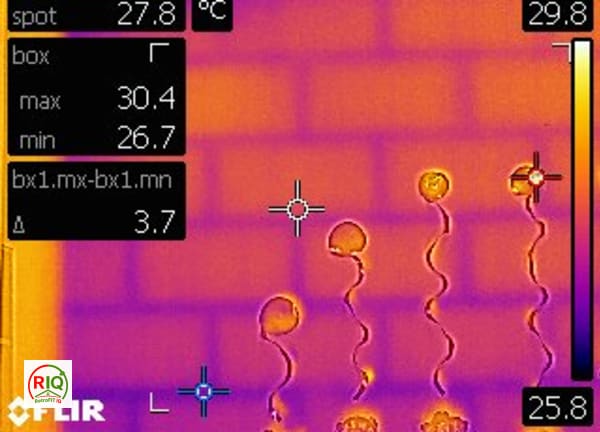
Thermal Bridging Visible Through Masonry Blockwork Wall
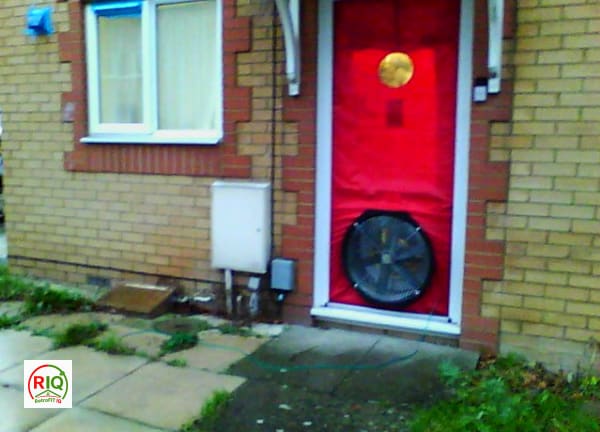
Blower Door Airtightness Test Setup

Sample Building Performance Investigation Report — Thermal Imaging

Thermal Bridge at Wall-Ceiling Junction Near Window

Thermal Bridge at Internal Corner Wall Junction

Ceiling / external-wall junction
No related investigations yet.
Browse all investigationsFrequently asked questions
Why do I feel a draught from my electrical sockets?+
Because air is leaking through the wall behind the socket. The back-box is open to a cold cavity or void via the cable holes, and the faceplate is not airtight, so pressure differences push air through the box into the room — most often on external walls.
Is a draughty socket a sign of a bigger problem?+
Often, yes. The socket draught usually reveals a leaky wall cavity or service void that also leaks at skirtings, coving and penetrations, so it is best treated as a marker of wider air leakage rather than an isolated fault.
Can I seal a draughty socket myself?+
Faceplate gaskets are simple, but anything involving the back-box or wiring should be done by or with a competent electrician for safety. The most effective sealing addresses the back-box, cable entries and the cavity behind.
Why are sockets on outside walls more draughty?+
External and windward walls experience the largest pressure differences and are most likely to connect through an unfilled cavity to the cold outside, so their sockets leak more air into the room.
Does sealing sockets really make a difference?+
Individually each leak is small, but sockets are numerous and usually flag wider wall leakage, so sealing them as part of an airtightness plan contributes to a measurable reduction in overall infiltration.
How do I seal sockets without causing other problems?+
Seal the back-box, cable entries and faceplate properly with a competent electrician, address the cavity leakage feeding them, and keep the home's controlled ventilation adequate so reducing leakage does not raise humidity.
How do you tackle socket draughts?+
We use a blower door test with smoke and thermal imaging to trace the leakage behind the sockets, then seal the back-boxes, faceplates and cavity safely within an airtightness plan, and re-test to confirm the improvement.
Stop guessing — find the real cause
Do not spend money fixing symptoms before you understand the cause. Every home behaves differently, and the only reliable way to know what is happening in yours is professional building performance diagnostics. At RetrofitIQ we verify buildings using the right combination of investigations:
- Thermal imaging
- Blower door testing
- Moisture & dew point readings
- Ventilation review
- Building physics assessment
- Passive House methodology