
Can a house be too airtight?
Strictly speaking, a house cannot be too airtight — but it can very easily be under-ventilated, and the two get confused. Airtightness and ventilation are different things: airtightness stops uncontrolled, accidental leakage that wastes heat and causes draughts, while ventilation deliberately supplies fresh air and removes moisture and pollutants. Problems blamed on a home being 'too airtight' — stuffiness, condensation, poor air quality — are really problems of sealing without providing the controlled ventilation that a tight home needs.
 Reviewed by George Sora, Certified Passive House DesignerUpdated June 2026
Quick answer & key takeaways
7 min read- A house cannot be too airtight, but it can be under-ventilated.
- Airtightness stops uncontrolled leakage; ventilation supplies controlled fresh air.
- Sealing without ventilation causes stuffiness, condensation and poor air quality.
- The answer is 'build tight, ventilate right' — do both, not less of one.
- Biggest misconception: draughts are healthy ventilation. They are uncontrolled and wasteful.
- Retrofit IQ's approach: seal the leaks and provide controlled ventilation to match.
What this usually means
The fear that a house can be 'too airtight' comes from a real observation — homes that are sealed up sometimes become stuffy, humid or prone to condensation — but it misdiagnoses the cause. Airtightness simply means the building envelope does not leak air uncontrollably through gaps and cracks. That uncontrolled leakage is not useful ventilation: it is random, weather-driven, wastes heat and creates draughts, and it cannot be relied upon to supply fresh air where and when it is needed. Reducing it is unambiguously good for comfort and efficiency.
What a tight home needs is the other half of the equation: deliberate, controlled ventilation. Fresh air, and the removal of moisture, carbon dioxide and pollutants, should be provided on purpose — through extract fans, trickle vents, or ideally mechanical ventilation with heat recovery — rather than left to chance through leaks. When a home is sealed but no controlled ventilation is added, the moisture and stale air that used to escape through the draughts now have nowhere to go, and you get the stuffiness and condensation that people wrongly attribute to the house being 'too airtight'.
So the correct principle is 'build tight, ventilate right': make the envelope as airtight as practical to save energy and remove draughts, and provide good controlled ventilation to keep the air fresh and the home dry. The most comfortable, efficient and healthy homes — including Passive House standard dwellings — are extremely airtight and very well ventilated at the same time. The goal is never to leave the house leaky in the hope of accidental ventilation; it is to control both the air leakage and the fresh-air supply deliberately.
Common causes
Sealing without ventilation
Reducing leakage but adding no controlled ventilation leaves moisture and stale air with nowhere to go.
Relying on draughts for fresh air
Uncontrolled leakage is treated as ventilation, but it is random, wasteful and unreliable.
Blocked or missing extract
Without working extractors in kitchen and bathroom, moisture builds up in a tighter home.
Closed trickle vents
Purpose-provided vents shut to stop draughts remove the home's background ventilation.
No mechanical ventilation in a tight home
A very airtight home without MVHR or extract lacks the deliberate air supply it needs.
Signs and symptoms
Stuffy, stale air
A home that feels airless after sealing signals a ventilation shortfall, not excessive airtightness.
Condensation appearing after sealing
Moisture that used to escape through leaks now condenses, indicating ventilation was not added.
Rising indoor humidity
Persistently high humidity after draught-proofing shows the home needs controlled ventilation.
Lingering smells or cooking odours
Odours that hang around point to inadequate fresh-air supply in a tighter home.
Window condensation in winter
Increased condensation after sealing reflects under-ventilation rather than the home being too tight.
What most people check first
- Whether the home has controlled ventilation, not just reduced leakage.
- Whether kitchen and bathroom extract fans work and are used.
- Whether trickle vents have been closed off to stop draughts.
- Whether humidity rose after sealing, indicating a ventilation shortfall.
What most people miss
- That airtightness and ventilation are different things, not opposites.
- That draughts are not healthy ventilation — they are uncontrolled and wasteful.
- That problems blamed on being 'too airtight' are really under-ventilation.
- That the best homes are both very airtight and very well ventilated.
The building physics
Air leakage and ventilation are distinct flows. Infiltration is uncontrolled air movement through gaps driven by wind and stack pressure; it varies with the weather, delivers air where the leaks happen to be rather than where it is needed, and carries heat out as it goes. Ventilation is the intentional supply of outdoor air and extraction of stale, moist indoor air, sized to the occupants' needs. Treating infiltration as ventilation is unreliable: on still days it provides almost nothing, and on windy days it wastes heat — so it can simultaneously under-ventilate and over-cool a home.
Reducing infiltration always helps energy and comfort, but it removes whatever accidental moisture removal the leaks provided. In a home generating the usual several litres of water vapour a day, that moisture must still be removed, or indoor humidity rises and condensation and mould follow. This is why airtightness must be paired with deliberate ventilation — extract in wet rooms, background ventilation, or mechanical ventilation with heat recovery — sized to remove the moisture and supply fresh air independently of the weather.
Mechanical ventilation with heat recovery is the logical companion to a tight envelope: it supplies measured fresh air and extracts stale, humid air continuously, recovering most of the heat from the outgoing air, so the home stays fresh and dry without wasting energy. This is the basis of low-energy and Passive House design, where extremely low air leakage and excellent controlled ventilation coexist. The lesson is that the question 'can a house be too airtight?' is the wrong question; the right one is 'is the house ventilated as well as it is sealed?'.
How to get airtightness and ventilation right
Seal the uncontrolled leakage and provide deliberate, controlled ventilation to match — 'build tight, ventilate right' — rather than leaving the home leaky.
- 01
Measure the airtightness
Use a blower door test to quantify the leakage and locate it for sealing.
- 02
Seal the uncontrolled leaks
Close the random gaps that waste heat and cause draughts, guided by the leak map.
- 03
Provide controlled ventilation
Ensure working extract in wet rooms and background ventilation, sized to remove moisture.
- 04
Consider MVHR for tight homes
In a very airtight home, mechanical ventilation with heat recovery supplies fresh air and recovers heat.
- 05
Keep purpose vents open
Leave trickle vents and extractors working rather than shutting them to stop draughts.
- 06
Monitor humidity and air quality
Check humidity and CO₂ to confirm the ventilation matches the sealed envelope.
How to prevent it coming back
- Always pair airtightness work with controlled ventilation.
- Never rely on draughts as a substitute for ventilation.
- Keep extractors and trickle vents working in a tighter home.
- Monitor humidity to confirm the home is ventilated as well as sealed.
How Retrofit IQ investigates this
We measure airtightness and assess ventilation together, so the home is both well sealed and well ventilated.
Do not spend money fixing symptoms before you understand the cause — investigate first, then build with confidence.
Do I need a professional investigation?
If a home feels stuffy, humid or condensation-prone after draught-proofing or insulation, it is worth investigating the ventilation rather than reopening the leaks. Measuring the airtightness and assessing the ventilation together confirms whether the home is sealed well but ventilated poorly — and how to provide the controlled fresh air it needs.
Where to go next
Relevant services
Related comparisons
From the Academy
Related case studies
Evidence from Real Projects (17)
Real project and investigation images from our own fieldwork, matched to this page — not stock photography.
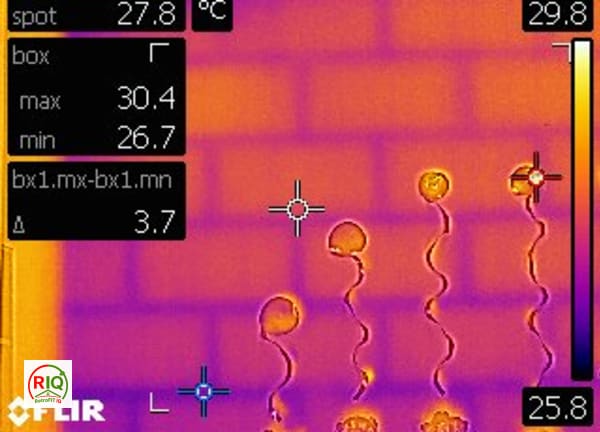
Thermal Bridging Visible Through Masonry Blockwork Wall

Sample Building Performance Investigation Report — Thermal Imaging
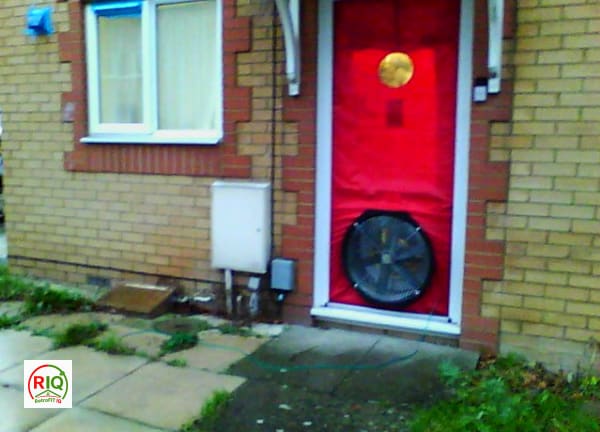
Blower Door Airtightness Test Setup

Thermal Bridge at Internal Corner Wall Junction

Bathroom

Thermal Bridge at Wall-Ceiling Junction Near Window
No related investigations yet.
Browse all investigationsFrequently asked questions
Can a house be too airtight?+
No — a house cannot be too airtight, but it can be under-ventilated. Airtightness stops wasteful, uncontrolled leakage; the home then needs deliberate, controlled ventilation to supply fresh air and remove moisture. Problems blamed on being 'too airtight' are really under-ventilation.
Won't sealing my house make it unhealthy?+
Not if you ventilate it properly. Draughts are not reliable, healthy ventilation — they are random and wasteful. Sealing the leaks and providing controlled ventilation gives fresher, drier air than relying on accidental leakage.
Why did sealing my house cause condensation?+
Because moisture that used to escape through the draughts now has nowhere to go. The fix is not to reopen the leaks but to add controlled ventilation — working extractors, trickle vents or mechanical ventilation — to remove the moisture.
What does 'build tight, ventilate right' mean?+
It means making the envelope as airtight as practical to save energy and stop draughts, while providing good controlled ventilation to keep the air fresh and the home dry. The best homes do both at once.
Do airtight homes need mechanical ventilation?+
Very airtight homes usually benefit from mechanical ventilation with heat recovery, which supplies fresh air and extracts stale, humid air continuously while recovering most of the heat — keeping the home fresh and dry without wasting energy.
Should I leave my trickle vents open?+
Yes — they provide background ventilation. Closing them to stop draughts removes the home's controlled fresh-air supply, which is more likely to cause stuffiness and condensation than the airtightness itself.
How do you balance airtightness and ventilation?+
We measure the airtightness with a blower door, seal the uncontrolled leaks, and assess and provide controlled ventilation to match, monitoring humidity and air quality so the home is both well sealed and well ventilated.
Stop guessing — find the real cause
Do not spend money fixing symptoms before you understand the cause. Every home behaves differently, and the only reliable way to know what is happening in yours is professional building performance diagnostics. At RetrofitIQ we verify buildings using the right combination of investigations:
- Thermal imaging
- Blower door testing
- Moisture & dew point readings
- Ventilation review
- Building physics assessment
- Passive House methodology