
Do trickle vents cause draughts, and should I close them?
Trickle vents — the small adjustable vents in the top of window frames — can feel draughty in cold or windy weather, and it is tempting to close them. But they are providing deliberate background ventilation, and closing them removes the controlled fresh air that keeps the home healthy and dry, often causing condensation and stuffiness. The honest answer is that the slight draught is the price of ventilation, and the better solution is usually to keep them open and address the home's overall airtightness and ventilation properly.
 Reviewed by George Sora, Certified Passive House DesignerUpdated June 2026
Quick answer & key takeaways
7 min read- Trickle vents provide deliberate background ventilation, not accidental leakage.
- They can feel draughty in cold, windy weather, which tempts people to close them.
- Closing them removes controlled fresh air and often causes condensation and stuffiness.
- It is usually better to keep them open and improve overall airtightness and ventilation.
- Biggest misconception: trickle vents are a fault to be sealed. They are a feature you need.
- Retrofit IQ's approach: keep purpose ventilation, seal uncontrolled leaks, balance the home.
What this usually means
Trickle vents are a purpose-provided ventilation feature, not an accidental gap. They allow a small, controllable amount of outside air into each room continuously, supplying fresh air and helping to carry away the moisture, carbon dioxide and pollutants that build up indoors. In a reasonably airtight modern home they often provide much of the background ventilation the building relies on, which is why they are required in many new and replacement windows. Unlike a random draught, their airflow is intended, located and adjustable.
They can, though, feel draughty — especially in cold or windy weather, when the incoming air is chilly and the pressure difference is high. This is genuine air movement, and on a cold day it is noticeable. The temptation is to close the vents to stop the draught, and many people do. The trouble is that this removes the very ventilation the home needs: with the vents shut and the rest of the home reasonably sealed, moisture and stale air accumulate, humidity rises, and condensation and stuffiness commonly appear within days — problems that are then wrongly blamed on the windows or the house being 'too airtight'.
So the better approach is to keep the trickle vents open and tackle the discomfort at its real source. The chilly draught is usually worsened by the home being under-warmed at the surfaces or by uncontrolled leakage elsewhere creating strong pressure differences; improving insulation, sealing the uncontrolled leaks, and ensuring good overall ventilation makes the background airflow far less noticeable. Where the trickle vents alone cannot ventilate the home comfortably, the answer is better controlled ventilation — such as continuous mechanical extract or heat-recovery ventilation — not closing off the fresh-air supply.
Common causes
Cold incoming air in winter
Trickle vents admit outside air that feels chilly on cold days, making the ventilation noticeable.
High pressure differences
Wind and stack effect drive more air through the vents, increasing the felt draught.
Under-warmed surfaces nearby
Cold surfaces and downdraughts amplify the chill felt around the vent.
Uncontrolled leakage elsewhere
Leaky homes create strong pressure differences that pull more air through the vents.
Vents as the main ventilation
Where they provide most of the background ventilation, their airflow cannot simply be removed.
Signs and symptoms
Cold air from the top of the window
A chill from the window head is the trickle vent admitting outside air, especially in winter.
Draught stronger on windy days
More airflow through the vent in wind reflects the higher pressure difference.
Condensation after closing the vents
Moisture appearing once the vents are shut shows they were providing needed ventilation.
Stuffiness with vents closed
Stale, stuffy air after closing the vents signals a ventilation shortfall.
Rising humidity in winter
Humidity climbing after the vents are closed confirms their role in keeping the home dry.
What most people check first
- Whether the trickle vents are the home's main background ventilation.
- Whether closing them in the past caused condensation or stuffiness.
- Whether nearby cold surfaces are amplifying the felt draught.
- Whether uncontrolled leakage elsewhere is increasing the airflow through them.
What most people miss
- That trickle vents are deliberate ventilation, not a fault to be sealed.
- That closing them commonly causes condensation and stuffiness within days.
- That the felt draught is usually worsened by cold surfaces and leakage elsewhere.
- That the answer is better ventilation and warmth, not less fresh air.
The building physics
Background ventilation provides a low, continuous exchange of indoor and outdoor air to dilute moisture, carbon dioxide and pollutants. Trickle vents deliver this in a controlled, located way, sized so that — together with intermittent extract in wet rooms — the home meets its ventilation needs. The airflow through them is driven by the same wind and stack pressures as any other opening, so on cold, windy days it rises and feels draughty; but this is the intended ventilation doing its job, not uncontrolled leakage.
Closing the vents removes that controlled exchange. In a reasonably airtight home, the moisture generated by normal living then has no reliable route out, so indoor humidity rises and, when humid air meets cold surfaces, condensation and mould follow. This is the same mechanism behind problems blamed on a home being 'too airtight': the issue is not the airtightness but the loss of ventilation. Keeping the vents open maintains the dilution and moisture removal that prevent these problems.
The discomfort can be reduced without sacrificing ventilation. Warmer internal surfaces — from insulation and good glazing — reduce the contrast between the incoming air and the room, and sealing uncontrolled leakage elsewhere lowers the pressure differences that drive excessive flow through the vents, so the background ventilation becomes far less noticeable. Where trickle ventilation is insufficient or persistently uncomfortable, the correct upgrade is mechanical ventilation with heat recovery, which supplies tempered fresh air continuously and recovers heat — delivering better air quality than open trickle vents with none of the cold draught.
What to do about draughty trickle vents
Keep the ventilation, lose the draught. Leave the vents open and reduce the discomfort by warming surfaces, sealing uncontrolled leaks, and upgrading to better ventilation if needed.
- 01
Keep the trickle vents open
Maintain the background ventilation rather than closing it off and risking condensation.
- 02
Warm the nearby surfaces
Improve insulation and glazing so incoming air contrasts less with the room and feels less chilly.
- 03
Seal uncontrolled leakage
Reduce other leaks so pressure differences fall and less air is forced through the vents.
- 04
Check overall ventilation
Ensure wet-room extract works so the home is ventilated as a whole, not via draughts.
- 05
Consider MVHR
Where trickle vents are insufficient or uncomfortable, upgrade to heat-recovery ventilation for tempered fresh air.
- 06
Monitor humidity
Track humidity to confirm the home stays dry with the ventilation in place.
How to prevent it coming back
- Keep trickle vents open to maintain background ventilation.
- Warm internal surfaces so incoming air feels less cold.
- Seal uncontrolled leakage to reduce excessive flow through the vents.
- Upgrade to MVHR where trickle ventilation is insufficient or uncomfortable.
How Retrofit IQ investigates this
We assess the home's ventilation and airtightness together so it stays fresh and dry without uncomfortable draughts.
Do not spend money fixing symptoms before you understand the cause — investigate first, then build with confidence.
Do I need a professional investigation?
If trickle vents feel too draughty to leave open, or closing them has caused condensation, it is worth assessing the home's airtightness and ventilation together. This shows whether the discomfort comes from cold surfaces and leakage elsewhere — and whether better controlled ventilation would keep the home fresh and dry without the cold draught.
Where to go next
Relevant services
Related comparisons
From the Academy
Related case studies
Evidence from Real Projects (18)
Real project and investigation images from our own fieldwork, matched to this page — not stock photography.
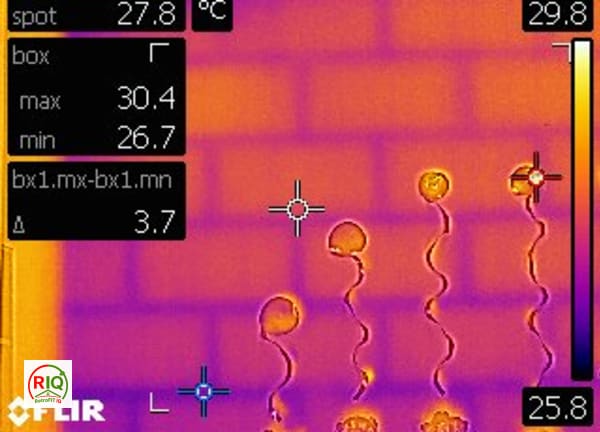
Thermal Bridging Visible Through Masonry Blockwork Wall

Sample Building Performance Investigation Report — Thermal Imaging
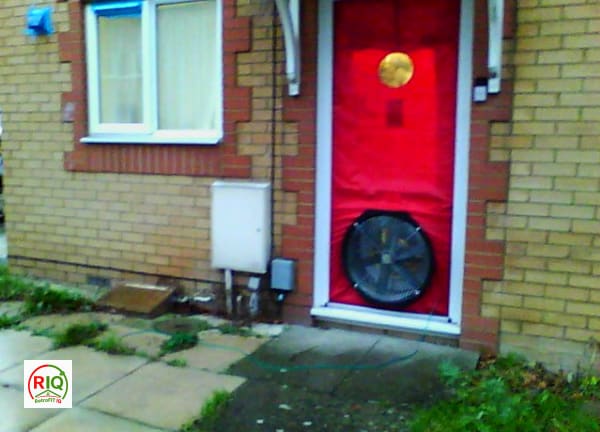
Blower Door Airtightness Test Setup

Thermal Bridge at Wall-Ceiling Junction Near Window

Thermal Bridge at Internal Corner Wall Junction

Bathroom
No related investigations yet.
Browse all investigationsFrequently asked questions
Do trickle vents cause draughts?+
They can feel draughty in cold, windy weather because they admit outside air, but that airflow is deliberate background ventilation, not uncontrolled leakage. The slight draught is the price of the fresh air that keeps the home healthy and dry.
Should I close my trickle vents?+
Usually not. Closing them removes controlled ventilation, so moisture and stale air build up and condensation and stuffiness commonly appear within days. It is better to keep them open and tackle the discomfort at its source.
Why do trickle vents feel so cold in winter?+
Because the incoming air is chilly and pressure differences are higher in cold, windy weather. Cold surfaces nearby and uncontrolled leakage elsewhere amplify the sensation, making the background ventilation more noticeable.
Will closing trickle vents cause condensation?+
Often, yes. In a reasonably airtight home the moisture from normal living needs a route out; closing the vents removes it, humidity rises, and condensation and mould can follow. The vents are usually doing an important job.
How can I stop the draught without closing the vents?+
Warm the internal surfaces with insulation and good glazing, seal uncontrolled leakage elsewhere to reduce pressure differences, and ensure good overall ventilation — which together make the background airflow far less noticeable.
Is there a better alternative to trickle vents?+
Yes — mechanical ventilation with heat recovery supplies tempered fresh air continuously and recovers heat, giving better air quality than open trickle vents with none of the cold draught. It is the logical upgrade for a tighter home.
How do you decide what to do about trickle vents?+
We assess the home's airtightness and ventilation together, confirm whether cold surfaces and leakage are worsening the draught, and recommend keeping the vents open with improvements — or upgrading to heat-recovery ventilation.
Stop guessing — find the real cause
Do not spend money fixing symptoms before you understand the cause. Every home behaves differently, and the only reliable way to know what is happening in yours is professional building performance diagnostics. At RetrofitIQ we verify buildings using the right combination of investigations:
- Thermal imaging
- Blower door testing
- Moisture & dew point readings
- Ventilation review
- Building physics assessment
- Passive House methodology