
How do I stop draughts around my front door?
Draughts around a front door come from the gaps the door has to leave to open and close — at the bottom threshold, down the sides and top, around the letterbox and keyhole — and sometimes from a more hidden source: air leaking through the gap between the door frame and the surrounding wall. Stopping them well means finding which gaps are actually leaking, because sealing the obvious ones while leaving a leaky frame-to-wall junction, or a poorly fitting threshold, only half-solves the problem. Front doors are also a common point where cold air enters and spills into the hallway, so getting the seal right makes a noticeable difference to comfort. The reliable approach is to locate every leakage path first, then seal each appropriately without stopping the door working.
 Reviewed by George Sora, Certified Passive House DesignerUpdated June 2026
Quick answer & key takeaways
9 min read- Draughts come from the threshold, sides, top, letterbox, keyhole and the frame-to-wall gap.
- The hidden leak is often around the frame where it meets the wall, not the door itself.
- Sealing only the visible gaps leaves the hidden paths leaking.
- Each gap needs the right seal — brush, compression, threshold or filling the frame gap.
- Biggest misconception: a draught excluder at the bottom fixes it. The sides and frame often leak more.
- Retrofit IQ's approach: locate every leakage path, then seal each appropriately.
What this usually means
A front door has to be a moving part, so it is built with gaps — a clearance at the threshold to let it swing, margins down the hinge and closing sides and across the top, and openings for the letterbox and keyhole. Any of these can leak cold air, especially as the door, its seals and its frame age and the door drops or warps slightly on its hinges. People usually notice the draught at the bottom and fit an excluder there, but the sides and top frequently leak as much or more, and the letterbox and keyhole can admit surprisingly strong jets of cold air. So the first thing to understand is that the draught around a front door is rarely a single gap; it is a set of gaps, and a fix aimed at only one of them leaves the others open.
There is also a less obvious source that catches many homeowners out: the junction between the door frame and the wall it is fitted into. When a door is installed, the gap between the frame and the masonry is meant to be sealed, but over time, or where it was never done well, that gap leaks air behind the architrave and plaster — so the cold air seems to come from around the door even though the door itself is shut tight against its seals. This hidden frame-to-wall leakage is why a homeowner can replace all the door's weatherseals and still feel a draught: the air is bypassing the door entirely and coming through the structure around it.
Stopping the draughts properly therefore means locating every leakage path and sealing each in the right way. The door's moving edges need compression or brush seals that close the gap while still allowing the door to operate; the threshold needs a seal or a draught-proof threshold strip matched to the clearance; the letterbox and keyhole need brush or sprung covers; and the frame-to-wall junction needs the gap filled and sealed behind the architrave. Because the relative importance of these paths varies from door to door — and because the hidden frame leak is invisible — the efficient method is to find the leaks first, ideally by feeling for them under the pressure difference a blower door test creates or with a smoke pencil, and then seal the paths that actually matter rather than guessing.
Common causes
Threshold gap at the bottom
The clearance under the door lets cold air in, especially if the door has dropped.
Gaps down the sides and top
Worn or missing edge seals leak air along the closing and hinge sides and the head.
Letterbox and keyhole
Open letterboxes and keyholes admit strong jets of cold air.
Frame-to-wall junction
An unsealed gap between the frame and the wall leaks air behind the architrave.
A dropped or warped door
A door that no longer sits squarely against its seals leaves gaps that draught.
Signs and symptoms
Cold air felt at the door edges
Draught along the sides or top points to worn or missing edge seals.
Cold spilling across the hallway
Cold air pooling in the hall shows the door is a significant leakage point.
Draught from the letterbox
A noticeable jet at the letterbox or keyhole reveals an unsealed opening.
Draught despite new door seals
Cold air after re-sealing the door suggests the frame-to-wall junction is leaking.
Door rattles or sits unevenly
A door that does not close squarely is not meeting its seals all round.
What most people check first
- Whether the draught is at the threshold, the sides, the top or the letterbox.
- Whether cold air persists even with the door shut tight against its seals.
- Whether the frame-to-wall junction behind the architrave is sealed.
- Whether the door has dropped or warped so it no longer meets its seals.
What most people miss
- That the sides and top often leak more than the bottom.
- That the frame-to-wall junction is a hidden, common leakage path.
- That the letterbox and keyhole can admit strong draughts.
- That finding the leaks first beats guessing where to seal.
The building physics
Air leaks through a door assembly wherever there is a continuous gap and a pressure difference across it. Wind pressure on the elevation and the stack effect — warm air rising inside and drawing cold air in low down — create that pressure difference, and the front door, often near the foot of a stairwell, sits where the stack effect pulls air in strongly. The flow through a gap rises sharply with its size, so a small clearance under a dropped door or a worn margin down the closing side can carry a substantial volume of cold air, while the letterbox and keyhole act as discrete orifices that produce concentrated jets. Reducing leakage means closing the continuous paths and the orifices so the gaps no longer present an open route under pressure.
The frame-to-wall junction is a distinct and often dominant path because it leaks through the structure rather than the door. The installation gap between the frame and the masonry, if unsealed or poorly sealed, connects the outside air to the interior behind the architrave and plaster, so air bypasses the door's weatherseals entirely. This is why upgrading the door's own seals can fail to cure the draught: the leakage is occurring around the frame, hidden from view, and only sealing that junction — filling the gap and making it airtight behind the trim — addresses it. Because it is concealed, this path is easily missed by an inspection that looks only at the visible door edges.
Locating the paths under a controlled pressure difference is what makes sealing efficient and complete. A blower door test depressurises the dwelling so that all the leakage paths draw air inward at once, allowing each to be felt or traced with smoke and ranked by significance — distinguishing the threshold, the edge seals, the letterbox and the hidden frame junction. Each path then takes the appropriate measure: compression or brush seals on the moving edges that still permit operation, a threshold seal matched to the clearance, sprung covers on the letterbox and keyhole, and filling and sealing the frame-to-wall gap. Sealing in response to the measured paths cures the draught without impeding the door, in contrast to fitting a single excluder and leaving the larger, often hidden, leaks open.
How to stop draughts around a front door
Find every leakage path — threshold, edges, letterbox and the hidden frame-to-wall junction — then seal each appropriately so the cold air is stopped without preventing the door from working.
- 01
Locate the leaks
Feel for or trace the draughts at the threshold, edges, letterbox and frame, ideally under a pressure difference.
- 02
Seal the moving edges
Fit compression or brush seals down the sides and top that close the gap but still let the door operate.
- 03
Draught-proof the threshold
Add a threshold seal or strip matched to the clearance to close the gap at the bottom.
- 04
Cover the letterbox and keyhole
Fit brush or sprung covers to stop the concentrated jets of cold air.
- 05
Seal the frame-to-wall gap
Fill and seal the hidden junction between the frame and the wall behind the architrave.
- 06
Adjust a dropped door
Re-hang or adjust the door so it sits squarely against its seals all round.
How to prevent it coming back
- Seal the sides, top and frame junction, not just the threshold.
- Keep the door adjusted so it meets its seals squarely.
- Fit covers to the letterbox and keyhole.
- Find the leaks before sealing rather than guessing.
How Retrofit IQ investigates this
We locate every leakage path around the door under a controlled pressure difference, so the sealing targets the gaps that actually leak.
Do not spend money fixing symptoms before you understand the cause — investigate first, then build with confidence.
Do I need a professional investigation?
If a front door draught is persistent, spills cold air through the hallway, or remains after re-sealing the door, it is worth locating the leakage paths properly — particularly the hidden frame-to-wall junction. Under a blower door test the paths can be ranked and sealed where it counts, curing the draught completely rather than leaving the larger, often concealed, leaks open.
Where to go next
Relevant services
Related comparisons
From the Academy
Related case studies
Evidence from Real Projects (24)
Real project and investigation images from our own fieldwork, matched to this page — not stock photography.
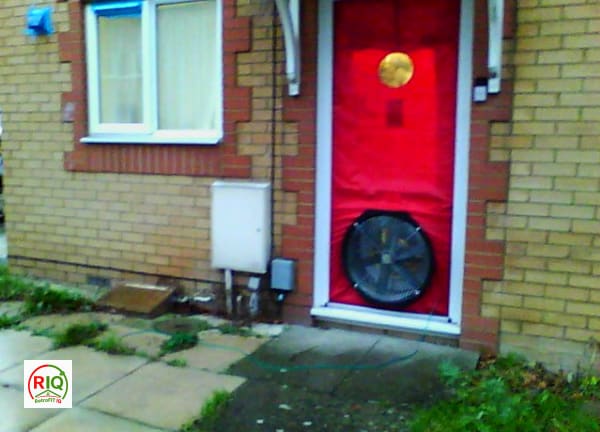
Blower Door Airtightness Test Setup

Thermal Bridge at Wall-Ceiling Junction Near Window
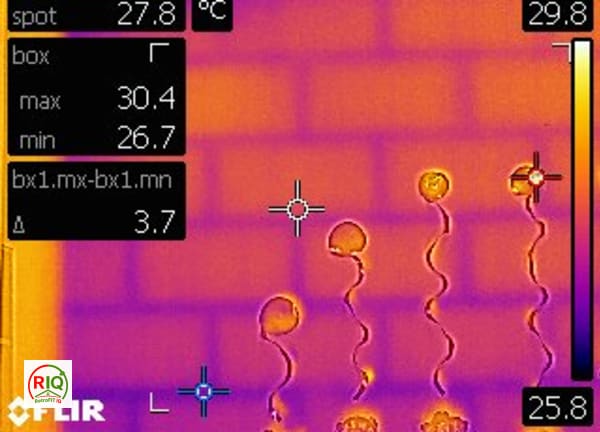
Thermal Bridging Visible Through Masonry Blockwork Wall

Sample Building Performance Investigation Report — Thermal Imaging

Thermal Bridge at Internal Corner Wall Junction

Top of door frame
No related investigations yet.
Browse all investigationsFrequently asked questions
How do I stop draughts around my front door?+
Find every leaking gap first — the threshold, the sides and top, the letterbox and keyhole, and the hidden junction between the frame and the wall — then seal each appropriately: compression or brush seals on the moving edges, a threshold seal, covers on the letterbox, and filling the frame-to-wall gap. Sealing only the obvious gap at the bottom leaves the others open.
Why do I still feel a draught after fitting a draught excluder?+
Because the bottom is rarely the only path. The sides and top often leak as much or more, the letterbox and keyhole admit strong jets, and air frequently leaks through the hidden gap between the frame and the wall — bypassing the door entirely. An excluder at the bottom addresses just one of several paths.
What is the frame-to-wall junction and why does it matter?+
It is the gap between the door frame and the masonry it is fitted into, which is meant to be sealed on installation. If it leaks, cold air comes in behind the architrave and plaster, so you feel a draught around the door even though the door is shut tight against its seals. It is a common, hidden cause.
Can I seal the door too tightly?+
The moving edges need seals that close the gap while still letting the door open and close, so compression and brush seals are used rather than rigid filling. The threshold and frame junction can be sealed firmly, but the door's operating edges must remain functional.
How do I find the hidden leaks?+
The reliable way is under a pressure difference — a blower door test depressurises the home so every leakage path draws air inward and can be felt or traced with smoke, including the concealed frame junction. This ranks the paths so you seal the ones that actually matter.
My door rattles and sits unevenly — is that the problem?+
Often, yes. A door that has dropped or warped no longer meets its seals squarely, leaving gaps that draught regardless of the seals fitted. Re-hanging or adjusting it so it closes evenly against its seals all round is part of the fix.
Stop guessing — find the real cause
Do not spend money fixing symptoms before you understand the cause. Every home behaves differently, and the only reliable way to know what is happening in yours is professional building performance diagnostics. At RetrofitIQ we verify buildings using the right combination of investigations:
- Thermal imaging
- Blower door testing
- Moisture & dew point readings
- Ventilation review
- Building physics assessment
- Passive House methodology