
Why is my conservatory too cold in winter and too hot in summer?
A conservatory is too cold in winter and too hot in summer for one underlying reason: it is almost entirely glass and roof with very little insulation or thermal mass. Glass lets heat out rapidly in winter and lets solar heat flood in during summer, with nothing to buffer either, so the room swings to extremes. Making a conservatory usable year-round means reducing those swings — improving the roof and glazing, controlling solar gain and ventilation — or accepting its limits.
 Reviewed by George Sora, Certified Passive House DesignerUpdated June 2026
Quick answer & key takeaways
7 min read- A conservatory is mostly glass and roof, with little insulation or mass to buffer temperature.
- In winter it loses heat fast through the glazing and roof, so it runs cold.
- In summer it admits huge solar gain, so it overheats.
- The same lack of insulation drives both the cold and the heat.
- Biggest misconception: a heater or blinds alone make it usable. The fabric drives the swings.
- Retrofit IQ's approach: reduce the heat loss and solar gain, and ventilate — or set realistic expectations.
What this usually means
A conservatory's defining feature — being made almost entirely of glass — is exactly what makes it uncomfortable. Glazing has a far higher heat loss than an insulated wall or roof, and very little thermal mass to store warmth, so in winter the room sheds heat quickly and cannot hold it: it is cold whenever the sun is not shining, and expensive to heat because the heat escapes as fast as it is supplied. A polycarbonate or glass roof makes this worse, losing heat upward all winter.
In summer the same glass works in reverse. Sun pours through the glazing and especially the roof, and with no insulation or shading to limit it and little mass to absorb it, the room heats rapidly to uncomfortable levels — often far hotter than outside. The wide daily and seasonal swings, from cold and unusable in winter to greenhouse-hot in summer, are the direct consequence of an envelope that neither keeps heat in nor keeps heat out.
Making a conservatory comfortable year-round means tackling the fabric and the gains rather than just adding a heater or blinds. The single biggest improvement is usually the roof: replacing a glazed or polycarbonate roof with an insulated one dramatically cuts both winter heat loss and summer solar gain. Improving the glazing, adding solar control and shading, and providing ventilation reduce the swings further. Where that is not done, it is realistic to treat a conservatory as a seasonal space rather than expecting full year-round comfort from an uninsulated glass box.
Common causes
Almost all glazing, little insulation
A conservatory's glass walls and roof lose heat fast in winter and admit solar gain in summer.
A glazed or polycarbonate roof
The roof is the biggest source of both winter heat loss and summer solar gain.
Little thermal mass
With little mass to store warmth or buffer heat, the room swings quickly to extremes.
No solar control or shading
Unshaded glazing lets summer sun overheat the room unchecked.
Limited ventilation
Without effective ventilation, summer heat cannot be purged.
Signs and symptoms
Cold and unusable in winter
A conservatory that is too cold to use in winter is losing heat rapidly through its glazing and roof.
Greenhouse-hot in summer
Overheating in summer reflects large solar gain with no insulation, shading or mass to limit it.
Expensive and ineffective to heat
Heat that escapes as fast as it is supplied makes the room costly and hard to warm.
Big temperature swings day to day
Rapid swings with the weather show an envelope that buffers neither heat loss nor gain.
Condensation in cold weather
Cold glazing can stream with condensation in winter, adding a moisture problem.
What most people check first
- Whether the roof is glazed/polycarbonate (a major loss and gain) or insulated.
- Whether there is any solar control, shading or ventilation.
- Whether the room is expected to be comfortable year-round or seasonally.
- Whether condensation appears on the glazing in winter.
What most people miss
- That the same lack of insulation drives both the winter cold and the summer heat.
- That the roof is usually the biggest single improvement.
- That a heater or blinds alone cannot overcome the fabric.
- That realistic expectations matter for an uninsulated glass room.
The building physics
A conservatory sits at the extreme of the heat-loss and solar-gain spectrum because its envelope is dominated by glazing. Heat loss scales with area and U-value, and glazing — particularly an old glazed or polycarbonate roof — has a high U-value over a large area, so winter losses are severe and largely unbufferable given the minimal thermal mass. The same low mass means the room cannot store useful warmth, so it cools almost as soon as the heat source or sun is removed.
In summer, solar gain dominates. The large glazed area, especially the roof facing the sky, admits intense solar radiation; with no insulation to limit conducted gain, no shading to block the sun and little mass to absorb and delay it, the room temperature rises rapidly and far above outside. The result is the characteristic conservatory swing: a high-loss, low-mass, high-gain box that follows the external conditions to both extremes with little to moderate them.
Improving comfort means changing the envelope's response. Replacing a glazed/polycarbonate roof with an insulated roof is the most effective single measure, cutting the dominant winter loss and summer gain at once; upgrading glazing and adding solar-control and shading reduces gain further; and ventilation allows summer heat to be purged. These move the room toward a normal, insulated extension. Where the fabric is left as glass, building physics sets the limit — and the honest conclusion is often that an uninsulated conservatory is a seasonal space, which a clear assessment makes explicit rather than masking with heaters and blinds.
How to make a conservatory usable year-round
Reduce the heat loss and the solar gain — starting with the roof — and provide ventilation, or set realistic expectations for an uninsulated glass room.
- 01
Assess the fabric and gains
Establish the roof and glazing performance, the solar gain and the ventilation, and how the room is intended to be used.
- 02
Improve the roof
Replace a glazed or polycarbonate roof with an insulated roof to cut winter loss and summer gain — usually the biggest single gain.
- 03
Upgrade glazing and add solar control
Improve the glazing and add solar-control or shading to reduce both heat loss and solar gain.
- 04
Provide ventilation
Enable effective ventilation, including a summer purge, to remove accumulated heat.
- 05
Match heating to the improved fabric
Once losses are reduced, provide heating that can keep the room warm in winter.
- 06
Set realistic expectations
Where the fabric stays largely glass, plan to use the room seasonally rather than expecting full year-round comfort.
How to prevent it coming back
- Specify an insulated roof rather than glazed/polycarbonate where year-round use is wanted.
- Include solar control and shading from the outset.
- Provide effective ventilation for summer heat.
- Be realistic about the comfort an all-glass room can offer.
How Retrofit IQ investigates this
We assess the conservatory's fabric and gains to find the improvements that most reduce its temperature swings.
Do not spend money fixing symptoms before you understand the cause — investigate first, then build with confidence.
Do I need a professional investigation?
If a conservatory is unusable in winter or summer, it is worth assessing the roof, glazing, solar gain and ventilation — so the improvements that most reduce the temperature swings (usually the roof) are identified, and realistic expectations set for the space.
Where to go next
Relevant services
Related comparisons
From the Academy
Related problems you may also have
Evidence from Real Projects (22)
Real project and investigation images from our own fieldwork, matched to this page — not stock photography.

Thermal Bridging Visible Through Masonry Blockwork Wall

Sample Building Performance Investigation Report — Thermal Imaging

Thermal Bridge at Internal Corner Wall Junction
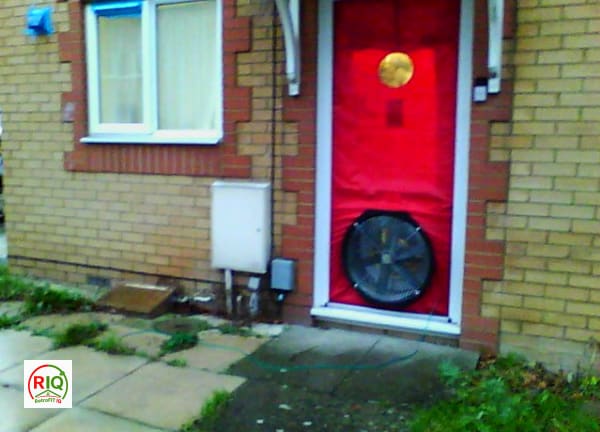
Blower Door Airtightness Test Setup

Thermal Bridge at Wall-Ceiling Junction Near Window
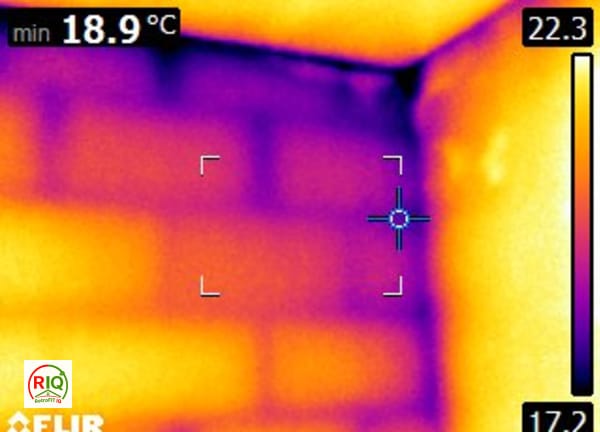
Cold wall surface vs warm ceiling
No related investigations yet.
Browse all investigationsFrequently asked questions
Why is my conservatory too cold in winter and too hot in summer?+
Because it is almost all glass and roof with little insulation or thermal mass. Glass loses heat fast in winter and admits huge solar gain in summer, with nothing to buffer either, so the room swings to both extremes.
What is the single best improvement?+
Usually replacing a glazed or polycarbonate roof with an insulated one. The roof is the biggest source of both winter heat loss and summer solar gain, so insulating it cuts both at once.
Will a heater make my conservatory usable in winter?+
Only at high cost and limited effect, because the heat escapes through the glass as fast as it is supplied. Reducing the heat loss — especially the roof — must come first for heating to work.
Will blinds stop my conservatory overheating?+
Internal blinds help a little, but external solar control and, above all, an insulated roof are far more effective because they stop or limit the solar gain before it heats the room.
Can a conservatory be made comfortable all year?+
It can be improved substantially — insulated roof, better glazing, solar control and ventilation move it toward a normal extension. Left as mostly glass, it is realistically a seasonal space.
Why does my conservatory get condensation in winter?+
The cold glazing falls below the dew point of the indoor air, so moisture condenses on it. Improving the glazing and ventilation reduces it, as with any cold-surface condensation.
How do you assess a conservatory?+
We log the temperature swings, review the roof and glazing, assess solar gain and ventilation, and prioritise the measures — usually starting with the roof — while setting realistic expectations.
Stop guessing — find the real cause
Do not spend money fixing symptoms before you understand the cause. Every home behaves differently, and the only reliable way to know what is happening in yours is professional building performance diagnostics. At RetrofitIQ we verify buildings using the right combination of investigations:
- Thermal imaging
- Blower door testing
- Moisture & dew point readings
- Ventilation review
- Building physics assessment
- Passive House methodology