
How do I make my extension warm and comfortable?
Making an extension warm and comfortable year-round means getting four things right together: good, continuous insulation; a well-detailed, airtight junction with the original house; the right glazing for the amount and orientation of glass; and heating sized to the extension's real heat loss. Extensions are uncomfortable when one of these is weak — thin insulation or a cold junction makes them cold and condensation-prone in winter, while too much unshaded glazing makes them overheat in summer. The route to comfort is to assess the extension's heat loss and gains and fix the weak links, rather than simply turning up the heating in winter and suffering the heat in summer.
 Reviewed by George Sora, Certified Passive House DesignerUpdated June 2026
Quick answer & key takeaways
6 min read- Comfort needs insulation, a sealed junction, the right glazing and adequate heating.
- Thin insulation or a cold junction makes an extension cold in winter.
- Too much unshaded glazing makes it overheat in summer.
- Heating must match the extension's real heat loss.
- Biggest misconception: just add a big radiator. The fabric must be sorted first.
- RetrofitIQ's approach: assess heat loss and gains, then fix the weak links.
What this usually means
An extension's comfort depends on its fabric and its heating working together. Continuous insulation in the walls, roof and floor keeps the surfaces warm and the heat loss low; an airtight, well-detailed junction with the existing house avoids the cold bridge and draughts that otherwise form there; and the glazing — sized and specified for its orientation — admits useful light and winter sun without causing summer overheating. Where these are right, the extension is warm in winter and pleasant in summer; where one is weak, comfort suffers in one season or both. Heating then needs to be sized to whatever heat loss remains.
This is why simply adding a bigger radiator rarely makes a cold extension comfortable: if the fabric loses heat faster than the radiator can supply, or the surfaces stay cold and condensing, more heat just raises the bill. The productive approach is to measure the extension's heat loss and solar gains — thermal imaging for cold surfaces and the junction, a heat-loss assessment for the demand, and a review of the glazing and orientation — then fix the weak links: improve insulation, detail the junction, address the glazing and shading, and finally size the heating (often into the home's existing system or underfloor heating) to the reduced load. Done in that order, the extension becomes comfortable year-round for far less running cost.
Common causes
Thin or discontinuous insulation
Cold surfaces and high heat loss make the extension cold.
Cold, leaky junction with the house
A bridge and draughts at the join undermine comfort.
Glazing mismatched to orientation
Too much unshaded glass causes winter cold and summer overheating.
Heating not matched to heat loss
Under- or mis-sized heating for the extension's demand.
Signs and symptoms
Cold extension in winter
High heat loss through fabric and junction.
Overheating in summer
Excessive unshaded solar gain.
Condensation on cold surfaces
Under-insulated fabric below the dew point.
Heating struggles to warm it
Heat loss outpacing the heating supplied.
What most people check first
- Whether the insulation is continuous in walls, roof and floor.
- Whether the junction with the house is sealed and bridge-free.
- Whether the glazing suits its orientation and shading.
- Whether the heating matches the extension's heat loss.
What most people miss
- That fabric must be sorted before sizing heating.
- That the junction with the house is a key weak link.
- That glazing affects both winter cold and summer heat.
- That comfort is a year-round, four-factor problem.
The building physics
Year-round comfort in an extension is a balance of heat loss in winter and heat gain in summer, both shaped by the fabric and glazing. Continuous insulation and an airtight, bridge-free junction minimise the winter heat loss and keep surface temperatures above the dew point, eliminating cold and condensation; glazing specified and shaded for its orientation controls solar gain so the space is bright and warmed by winter sun without overheating in summer. Heating is then sized to the residual heat loss — and because good fabric lowers that loss, the heating can be modest and, ideally, integrated with the home's system or delivered as underfloor heating for even comfort.
The order of operations matters: improving the fabric first reduces the heat loss and gain, which both improves comfort directly and shrinks the heating required, so sizing the heating before fixing the fabric tends to over-provide and over-spend. A combined assessment — thermal imaging for cold surfaces and the junction bridge, a heat-loss calculation for the demand, and an orientation and glazing review for solar gain — identifies the weak links and the right sequence. Addressing insulation, junction detailing, glazing/shading and then heating in that order delivers an extension that is warm in winter, comfortable in summer and cheap to run, rather than one that is fought with heating and cooling.
How to make an extension comfortable year-round
Assess the heat loss and solar gains, then fix the weak links in order — insulation, the junction, glazing and shading — before sizing the heating to the reduced load.
- 01
Assess heat loss and gains
Measure the demand and the solar gain across seasons.
- 02
Improve the insulation
Make walls, roof and floor continuously insulated.
- 03
Detail the junction
Seal and insulate the join with the existing house.
- 04
Address glazing and shading
Match glazing to orientation and add shading where needed.
- 05
Size the heating
Provide heating matched to the reduced heat loss.
- 06
Verify comfort
Confirm the extension is warm in winter and cool in summer.
How to prevent it coming back
- Sort the fabric before sizing heating.
- Detail the old-to-new junction carefully.
- Match glazing and shading to orientation.
- Integrate heating with the home's system where possible.
How Retrofit IQ investigates this
We assess an extension's heat loss and solar gains so the right fixes, in the right order, make it comfortable year-round.
Do not spend money fixing symptoms before you understand the cause — investigate first, then build with confidence.
Do I need a professional investigation?
If an extension is cold in winter, hot in summer or expensive to heat, it is worth a combined heat-loss and solar-gain assessment. That identifies the weak links — insulation, the junction, the glazing or the heating — and the right order to fix them, so the extension becomes comfortable year-round for less running cost.
Where to go next
Relevant services
Related comparisons
From the Academy
Related case studies
Related problems you may also have
Evidence from Real Projects (21)
Real project and investigation images from our own fieldwork, matched to this page — not stock photography.
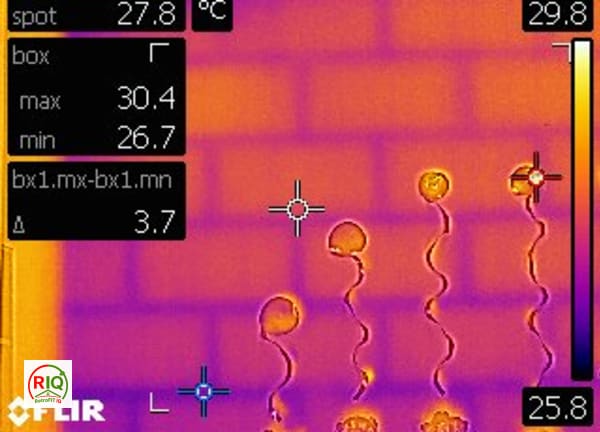
Thermal Bridging Visible Through Masonry Blockwork Wall

Sample Building Performance Investigation Report — Thermal Imaging

Thermal Bridge at Internal Corner Wall Junction

Thermal Bridge at Wall-Ceiling Junction Near Window
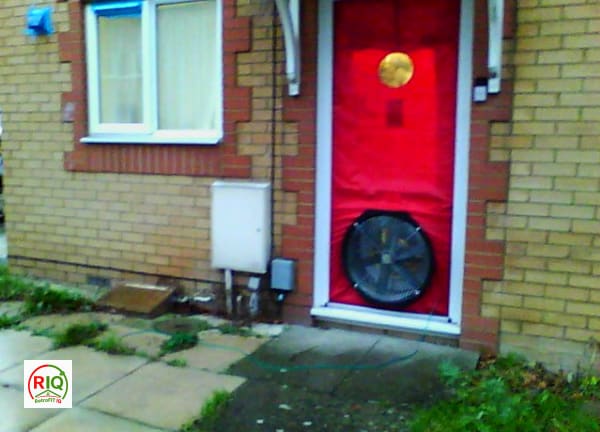
Blower Door Airtightness Test Setup
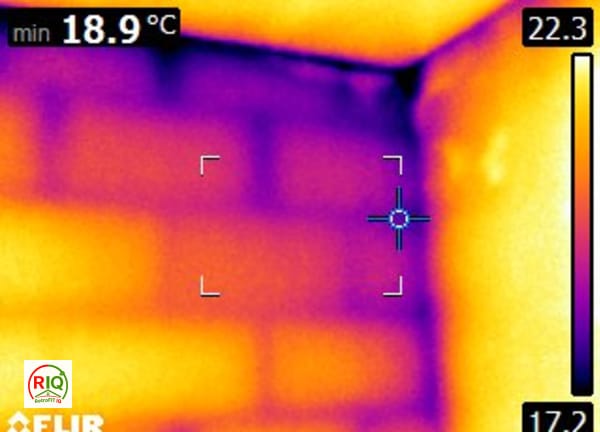
Cold wall surface vs warm ceiling
No related investigations yet.
Browse all investigationsFrequently asked questions
How do I make my extension warm and comfortable?+
Get four things right together: continuous insulation; an airtight, well-detailed junction with the original house; glazing suited to its orientation with shading where needed; and heating sized to the extension's real heat loss. Fixing the weak links in that order makes the extension warm in winter, comfortable in summer and cheap to run.
Will a bigger radiator fix a cold extension?+
Rarely on its own. If the fabric loses heat faster than the radiator can supply, or the surfaces stay cold and condensing, more heat just raises the bill. Improving the insulation and junction first reduces the loss, so the heating can be modest and effective.
Why is my extension cold in winter but hot in summer?+
Usually because it has thin insulation and a lot of unshaded glazing. The poor fabric loses heat in winter, and the glazing admits too much solar gain in summer. Better insulation and orientation-appropriate glazing with shading fix both seasons.
What should I fix first?+
The fabric — insulation and the junction with the house — then the glazing and shading, then the heating. Improving the fabric reduces both the winter loss and summer gain and shrinks the heating needed, so doing it first avoids over-spending on heating that the fabric would otherwise defeat.
How do I know what my extension needs?+
A combined heat-loss and solar-gain assessment, with thermal imaging, measures the demand, finds the cold surfaces and junction bridge, and reviews the glazing and orientation. That identifies the weak links and the right order to address them for year-round comfort.
Stop guessing — find the real cause
Do not spend money fixing symptoms before you understand the cause. Every home behaves differently, and the only reliable way to know what is happening in yours is professional building performance diagnostics. At RetrofitIQ we verify buildings using the right combination of investigations:
- Thermal imaging
- Blower door testing
- Moisture & dew point readings
- Ventilation review
- Building physics assessment
- Passive House methodology