
Why is my extension getting condensation?
Condensation in an extension usually comes down to cold surfaces and inadequate ventilation, often concentrated where the extension meets the original house. Extensions present a lot of glazing and a large roof and wall area for their size, so they run cold if the insulation or airtightness is sub-standard; thermal bridges at the junction with the existing building create cold lines where condensation and mould form; and a new, well-sealed extension can trap moisture if it was not given proper ventilation. The fix is to find which of these dominates — cold fabric, bridging at the join, or a ventilation deficit — and address it, rather than just wiping the symptom.
 Reviewed by George Sora, Certified Passive House DesignerUpdated June 2026
Quick answer & key takeaways
5 min read- Extension condensation comes from cold surfaces and poor ventilation.
- Lots of glazing and exposed surface make extensions run cold.
- Thermal bridges at the join with the house create cold, condensing lines.
- A sealed extension can trap moisture without ventilation.
- Biggest misconception: it's just a damp issue. It's cold fabric and ventilation.
- RetrofitIQ's approach: locate the cold surfaces and bridges, and check ventilation.
What this usually means
Extensions have a high ratio of external surface — walls, roof and especially glazing — to floor area, so unless they are well insulated and sealed they lose heat quickly and their internal surfaces run cold. Cold surfaces below the dew point of the indoor air condense moisture, which is why an under-performing extension gets condensation on its walls, ceiling, glazing and corners. The junction with the original house is a particular weak point: it is hard to insulate continuously, so a thermal bridge often forms there, creating a cold line where condensation and mould concentrate.
Ventilation is the other half. A modern, airtight extension that was not given adequate ventilation traps the moisture generated within it (or that drifts in from a kitchen or utility area), raising humidity until it condenses on the cold surfaces. So extension condensation is typically a combination of cold fabric — from thin insulation, bridging at the join, or poorly fitted glazing — and a ventilation deficit. Diagnosing it with thermal imaging (to find the cold surfaces and bridges) and a humidity check (to find the ventilation deficit) shows which to address: warming the surfaces by improving insulation and detailing the junction, and providing ventilation to control the moisture.
Common causes
Cold, under-insulated surfaces
High surface area and thin insulation make the extension run cold.
Thermal bridge at the join
The junction with the house forms a cold, condensing line.
Poorly fitted glazing
Cold glass and leaky frames condense and lose heat.
Inadequate ventilation
A sealed extension trapping moisture indoors.
Signs and symptoms
Condensation on extension walls or ceiling
Cold surfaces below the dew point.
Mould along the join with the house
A thermal bridge creating a cold line.
Wet glazing in the extension
Cold glass and humid air condensing.
Stuffy, humid extension air
A ventilation deficit raising humidity.
What most people check first
- Whether the extension's surfaces are cold from thin insulation.
- Whether a thermal bridge has formed at the junction with the house.
- Whether the glazing is cold or poorly fitted.
- Whether the extension has adequate ventilation.
What most people miss
- That the join with the house is a common cold bridge.
- That a high surface-to-floor ratio makes extensions run cold.
- That a sealed extension needs deliberate ventilation.
- That warming surfaces and ventilating both matter.
The building physics
An extension's condensation risk is governed by its surface temperatures relative to the indoor dew point. With a high external-surface-to-volume ratio and often ambitious glazing, an extension loses heat readily, so unless the insulation and airtightness are good its surfaces run cold and fall below the dew point, condensing moisture. The junction with the existing house is especially vulnerable: achieving continuous insulation across the interface between old and new construction is difficult, so a thermal bridge frequently forms, producing a localised cold line where condensation and mould concentrate — a classic signature of a poorly detailed extension.
The moisture side depends on ventilation. A modern extension built airtight but without commissioned ventilation cannot remove the moisture generated within it or migrating from adjacent wet areas, so humidity and dew point rise and condensation worsens. Diagnosis therefore combines thermal imaging — to map the cold surfaces, the glazing and the junction bridge — with humidity measurement to establish the ventilation deficit. The remedy follows: improve the insulation and detail the junction to warm the surfaces above the dew point, upgrade or seal the glazing, and provide controlled ventilation to manage the moisture. That coordinated approach removes the condensation at its cause rather than treating the visible symptom.
How to stop condensation in an extension
Warm the cold surfaces by improving insulation and detailing the junction with the house, upgrade cold glazing, and provide ventilation to control the moisture.
- 01
Map the cold surfaces
Use thermal imaging to find cold walls, ceiling and the junction bridge.
- 02
Improve the insulation
Warm the under-insulated surfaces above the dew point.
- 03
Detail the junction
Address the thermal bridge where the extension meets the house.
- 04
Upgrade or seal glazing
Reduce cold glass and leaky frames.
- 05
Provide ventilation
Add controlled ventilation to manage the moisture.
- 06
Verify it clears
Confirm the surfaces are warm and condensation stops.
How to prevent it coming back
- Insulate extensions well, including the junction with the house.
- Detail the old-to-new interface to avoid cold bridges.
- Provide commissioned ventilation in a sealed extension.
- Specify and fit glazing carefully.
How Retrofit IQ investigates this
We map the cold surfaces and ventilation deficit behind extension condensation to fix the cause.
Do not spend money fixing symptoms before you understand the cause — investigate first, then build with confidence.
Do I need a professional investigation?
If an extension is getting condensation or mould — especially along the join with the house — it is worth thermal imaging and a humidity check. That reveals whether cold fabric, a junction bridge or a ventilation deficit dominates, so the right fix warms the surfaces and controls the moisture rather than masking the symptom.
Where to go next
Relevant services
Related comparisons
Related case studies
Related problems you may also have
Evidence from Real Projects (18)
Real project and investigation images from our own fieldwork, matched to this page — not stock photography.
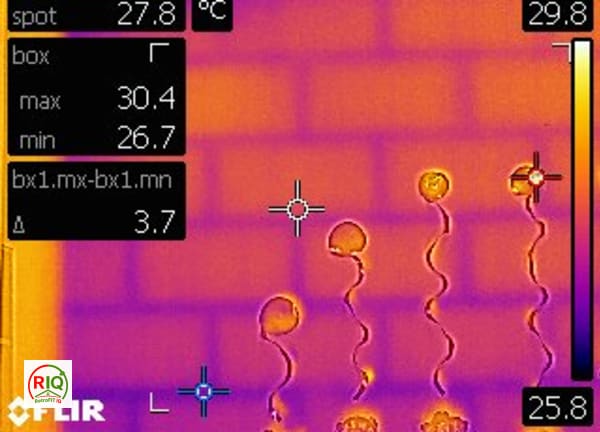
Thermal Bridging Visible Through Masonry Blockwork Wall

Sample Building Performance Investigation Report — Thermal Imaging

Thermal Bridge at Internal Corner Wall Junction

Thermal Bridge at Wall-Ceiling Junction Near Window

Airtightness Testing in a Stratford Victorian Terrace
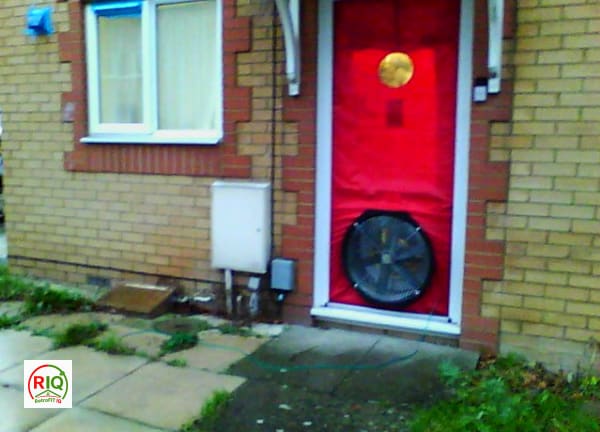
Blower Door Airtightness Test Setup
No related investigations yet.
Browse all investigationsFrequently asked questions
Why is my extension getting condensation?+
Usually because its surfaces are cold and its ventilation is inadequate. Extensions have a lot of glazing and exposed surface, so they run cold if under-insulated; a thermal bridge often forms where the extension meets the house, creating a cold line; and a sealed extension can trap moisture. Condensation forms on those cold surfaces.
Why is the mould worst along the join with the house?+
Because the junction between old and new construction is hard to insulate continuously, so a thermal bridge often forms there — a cold line where the surface falls below the dew point and condensation and mould concentrate. Detailing that junction is key to fixing it.
Is it a damp problem?+
It's condensation, which is a cold-surface-and-ventilation problem rather than rising or penetrating damp. Treating it as 'damp' with coatings or injections misses the cause; warming the surfaces and providing ventilation is what actually stops it.
Does my extension need ventilation?+
Often, yes. A modern, airtight extension that wasn't given proper ventilation traps the moisture generated within it or drifting in from a kitchen, raising humidity until it condenses. Adding controlled ventilation is usually part of the fix.
How do I find the cause?+
Thermal imaging maps the cold surfaces, glazing and the junction bridge, and a humidity check shows whether ventilation is inadequate. Together they reveal whether cold fabric, bridging or a ventilation deficit dominates, so the fix is targeted.
Stop guessing — find the real cause
Do not spend money fixing symptoms before you understand the cause. Every home behaves differently, and the only reliable way to know what is happening in yours is professional building performance diagnostics. At RetrofitIQ we verify buildings using the right combination of investigations:
- Thermal imaging
- Blower door testing
- Moisture & dew point readings
- Ventilation review
- Building physics assessment
- Passive House methodology