
Why is my orangery or glass extension uncomfortable?
Orangeries and glass extensions are uncomfortable for the same reason they are appealing: they have a large area of glazing, which loses heat readily in winter and admits strong solar gain in summer, so the space swings between cold and hot far more than a conventional room. Glass has a much higher heat loss and far higher solar gain than an insulated wall or roof, so a room dominated by it is hard to keep at a steady, comfortable temperature. The discomfort is a predictable consequence of the construction, and it is addressed by reducing the heat loss and the solar gain — better glazing, shading, a more solid roof, and adequate heating and ventilation — once the dominant problem is identified.
 Reviewed by George Sora, Certified Passive House DesignerUpdated June 2026
Quick answer & key takeaways
8 min read- Large glazed areas lose heat fast in winter and gain heat fast in summer.
- Glass has far higher heat loss and solar gain than an insulated wall or roof.
- So the space swings cold to hot more than a normal room.
- Comfort comes from cutting the heat loss and solar gain, not just adding heating.
- Biggest misconception: more heating or a fan fixes it. The glazing drives the problem.
- Retrofit IQ's approach: identify the dominant heat path, then reduce loss and gain together.
What this usually means
An orangery or glass extension is, thermally, mostly glazing — large windows, glazed doors and often a glazed or partly glazed roof. Glazing performs far worse than an insulated wall or roof in both directions: it loses much more heat per square metre in winter, because even good glazing has a higher U-value than an insulated solid element, and it admits much more solar heat in summer, because sunlight passes straight through it. A room made largely of glass therefore experiences the outdoor conditions far more strongly than a conventional room — it cools quickly on a cold night and overheats rapidly on a sunny day — which is exactly the swing from cold to hot that makes these spaces uncomfortable to use year-round.
The roof is often the decisive element. A fully glazed or polycarbonate roof both loses a great deal of heat upward in winter and admits intense overhead solar gain in summer (overhead glazing faces the high summer sun directly), so an orangery or conservatory with such a roof is the hardest to keep comfortable. A more solid, insulated roof — as in a true orangery with a lantern, or a conservatory converted to a solid roof — dramatically reduces both the winter heat loss and the summer overheating, which is why the roof is usually the highest-value change. The glazed walls and doors add to the swing, and unshaded glazing on sunny orientations drives the summer heat; large single or older glazing makes both worse.
Making the space comfortable therefore means reducing the heat loss and the solar gain rather than simply fighting them with heating or a fan. Improving the glazing (to lower-U, solar-control units), adding external or integral shading to the sunny and overhead glazing, and above all improving the roof, cut the swings so the room sits closer to a comfortable temperature; adequate heating sized to the (reduced) heat loss and good ventilation for summer purging then keep it usable in both seasons. Because the relative importance of the roof, the glazed walls and the orientation varies, identifying which dominates — through assessing the construction, the solar exposure and how the temperature actually swings — is what lets the measures be targeted, turning an unusable glass box into a comfortable room.
Common causes
Large glazed area
Glass loses and gains heat far faster than insulated walls, so the space swings cold to hot.
Glazed or polycarbonate roof
An overhead glazed roof loses much heat in winter and overheats badly in summer.
Unshaded sunny glazing
Glazing facing the sun with no shading admits strong solar gain.
Poor glazing performance
Single or older glazing worsens both the heat loss and the gain.
Inadequate heating and ventilation
Heating not sized to the loss, and no summer purge, leave the space uncomfortable.
Signs and symptoms
Freezing in winter
Rapid heat loss through the glazing leaves the space cold and expensive to heat.
Overheating in summer
Strong solar gain through the glass makes the room too hot to use.
Worst under a glazed roof
Extreme swings under a glass or polycarbonate roof point to it as the main cause.
Unusable in extreme weather
A space only comfortable in mild weather reflects the glazing-driven swing.
Condensation on the glazing
Cold glazing in winter can also stream with condensation.
What most people check first
- Whether the roof is glazed/polycarbonate or solid and insulated.
- Whether the glazing is shaded on sunny and overhead orientations.
- Whether the glazing performance is poor (single or old units).
- Whether the heating and summer ventilation are adequate.
What most people miss
- That glass loses and gains far more heat than an insulated element.
- That the roof is usually the decisive element.
- That external shading beats internal blinds for solar gain.
- That cutting the loss and gain matters more than adding heating.
The building physics
Glazing is the weakest thermal element of a building envelope in both heating and cooling seasons. Its U-value, even for good double or triple units, exceeds that of an insulated wall or roof, so conductive heat loss per unit area is several times higher; and its solar transmittance admits a large fraction of incident solar radiation as heat, which insulated opaque elements do not. A space dominated by glazing therefore has a high heat-loss coefficient and a high solar-gain coefficient simultaneously, producing large temperature excursions: rapid cooling when it is cold outside and rapid heating when the sun is out. This dual sensitivity is the physical basis of the cold-in-winter, hot-in-summer discomfort characteristic of orangeries and glass extensions.
The roof orientation amplifies the effect. A horizontal or near-horizontal glazed roof faces the high summer sun directly, so it admits the strongest solar flux of any surface, and it also loses heat upward efficiently in winter; thus a glazed or polycarbonate roof contributes disproportionately to both problems. Replacing it with an insulated solid roof, or a solid roof with a modest lantern, removes the largest single source of both winter loss and summer gain, which is why it is typically the highest-impact intervention. Vertical glazing adds orientation-dependent solar gain — strong on south and west elevations — and its heat loss, while shading intercepts the gain most effectively when placed externally, before the radiation enters and becomes heat inside.
Achieving comfort is therefore a matter of reducing both coefficients and then matching the services to the result. Upgrading the glazing lowers the U-value and, with solar-control coatings, the solar gain; external or integral shading cuts the summer gain on the critical orientations and the roof; and an insulated roof addresses the dominant path. With the loss and gain reduced, heating sized to the lowered heat loss holds winter temperature affordably, and night-purge or cross ventilation removes residual summer heat. An assessment of the construction, the glazing performance, the solar exposure by orientation and the observed temperature swing identifies which element dominates, so the measures — especially the high-value roof improvement — are targeted rather than the space being fought with oversized heating and fans against a fundamentally glazing-driven imbalance.
How to make an orangery or glass extension comfortable
Cut the heat loss and solar gain — improve the roof and glazing, add external shading, and size the heating and ventilation to the reduced loads — starting with the element that dominates.
- 01
Assess the dominant path
Establish whether the roof, the glazed walls or the orientation drives the discomfort.
- 02
Improve the roof
Replace a glazed or polycarbonate roof with an insulated solid roof, the highest-value change.
- 03
Upgrade the glazing
Fit lower-U, solar-control glazing to cut both winter loss and summer gain.
- 04
Add external shading
Shade the sunny and overhead glazing externally to intercept solar gain before it enters.
- 05
Size the heating to the loss
Provide heating matched to the reduced heat loss for affordable winter comfort.
- 06
Enable summer ventilation
Provide cross or night-purge ventilation to remove residual summer heat.
How to prevent it coming back
- Specify an insulated roof rather than fully glazing it.
- Use solar-control glazing and external shading on sunny orientations.
- Size heating to the heat loss, not by guess.
- Provide summer purge ventilation from the outset.
How Retrofit IQ investigates this
We identify which element drives the cold-to-hot swing so the heat loss and solar gain are reduced where it counts.
Do not spend money fixing symptoms before you understand the cause — investigate first, then build with confidence.
Do I need a professional investigation?
If an orangery or glass extension is too cold in winter and too hot in summer to use comfortably, it is worth assessing which element drives the swings before spending. Establishing whether the roof, the glazed walls or the orientation dominates lets the high-value measures — usually an insulated roof, better glazing and external shading — be targeted, so the space becomes usable year-round rather than fought with heating and fans.
Where to go next
Relevant services
Related comparisons
From the Academy
Related case studies
Related problems you may also have
Evidence from Real Projects (13)
Real project and investigation images from our own fieldwork, matched to this page — not stock photography.

Sample Building Performance Investigation Report — Thermal Imaging

Thermal Bridging Visible Through Masonry Blockwork Wall

Thermal Bridge at Internal Corner Wall Junction

Thermal Bridge at Wall-Ceiling Junction Near Window
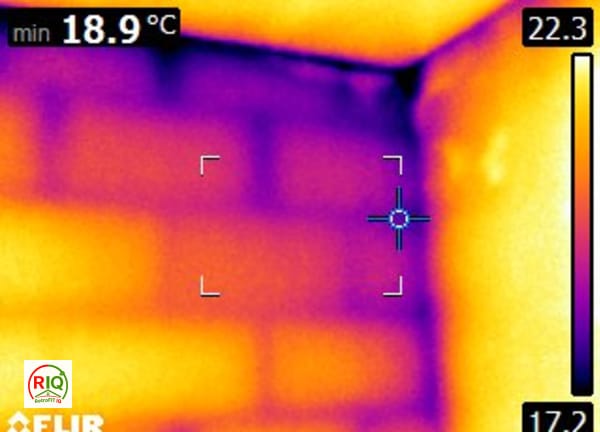
Cold wall surface vs warm ceiling
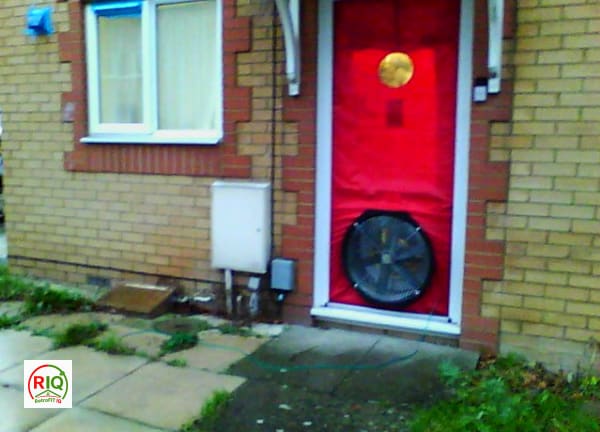
Blower Door Airtightness Test Setup
No related investigations yet.
Browse all investigationsFrequently asked questions
Why is my orangery or glass extension uncomfortable?+
Because it is mostly glazing, which loses heat far faster than an insulated wall in winter and admits much more solar heat in summer — so the space swings between cold and hot more than a normal room. The fix is to reduce both the heat loss and the solar gain, especially through the roof and glazing, rather than just adding heating or a fan.
Why is the roof so important?+
Because a glazed or polycarbonate roof both loses a great deal of heat upward in winter and, facing the high summer sun directly, admits the strongest solar gain of any surface. Replacing it with an insulated solid roof removes the largest single source of both problems, which is why it is usually the highest-value change.
Will better glazing fix it?+
It helps significantly — lower-U, solar-control glazing reduces both the winter heat loss and the summer gain. But on its own it may not be enough if the roof is glazed and the sunny glazing is unshaded, so it is usually combined with an improved roof and external shading.
Should I use blinds for the summer heat?+
External shading is far more effective than internal blinds, because it intercepts the sunlight before it passes the glass and becomes heat inside the room. Internal blinds stop the light only after it has already entered, so they do much less to prevent overheating.
Do I just need more heating?+
More heating can keep it warmer in winter but at high cost, because the glazing keeps losing the heat — and it does nothing for summer overheating. Reducing the heat loss and solar gain first, then sizing the heating to the lower load and providing summer ventilation, is what makes the space comfortable affordably.
How do you make it comfortable year-round?+
We assess which element drives the swings — usually the roof and glazing — by logging the temperatures and the solar exposure, then specify an insulated roof, better glazing, external shading, heating sized to the reduced loss, and summer purge ventilation, so the space works in both seasons.
Stop guessing — find the real cause
Do not spend money fixing symptoms before you understand the cause. Every home behaves differently, and the only reliable way to know what is happening in yours is professional building performance diagnostics. At RetrofitIQ we verify buildings using the right combination of investigations:
- Thermal imaging
- Blower door testing
- Moisture & dew point readings
- Ventilation review
- Building physics assessment
- Passive House methodology