
Should I replace my conservatory roof with a solid roof?
Replacing a conservatory's glass or polycarbonate roof with a solid, insulated roof is often the single most effective way to turn an unusable, baking-then-freezing conservatory into a comfortable year-round room — because the roof is usually where most of the heat is lost in winter and gained in summer. But it only delivers if the rest of the structure can keep up: the glazed walls, the floor and any dwarf walls also need to perform, and the existing base and frames must be able to carry and suit a heavier roof. So it is usually worth it, provided it is done as part of the whole picture.
 Reviewed by George Sora, Certified Passive House DesignerUpdated July 2026
Quick answer & key takeaways
8 min read- The roof is usually the conservatory's biggest heat loss in winter and gain in summer.
- A solid, insulated roof is often the most effective single upgrade for year-round comfort.
- It only works fully if the glazed walls, floor and dwarf walls also perform.
- The existing base and frames must be able to carry and suit a heavier roof.
- Biggest misconception: a solid roof alone makes any conservatory comfortable. The whole structure matters.
- Retrofit IQ's approach: assess the roof, walls, floor and structure together, then prioritise the roof.
What this usually means
A typical conservatory is uncomfortable because it is mostly thin, poorly insulating glazing and polycarbonate — it overheats in summer as the sun pours through the roof and glass, and loses heat rapidly in winter, especially upward through the roof. The roof is the dominant culprit: it faces the most sun in summer and the cold sky in winter, and a glass or polycarbonate conservatory roof has very little insulating value. Replacing it with a solid, insulated, tiled or panelled roof dramatically cuts that heat loss and solar gain, which is why it so often transforms the space.
However, the roof is not the only path. Once it is solid and insulated, the next-largest losses and gains move to the glazed walls, the floor (often an uninsulated slab), and any dwarf walls — so if these are left poor, the room is much improved but may still be cold in deep winter or warm in strong sun. The best outcomes treat the conservatory as a small extension: solid insulated roof, good glazing in sensible proportions, an insulated floor, and insulated dwarf walls, so all the elements perform together rather than the roof carrying the whole burden.
There are also practical constraints to check before committing. A solid roof is heavier than glass or polycarbonate, so the existing frames, ring beam and base must be structurally able to carry it, and that should be verified rather than assumed. Building regulations and, occasionally, planning may apply to a roof conversion. And ventilation matters: a more enclosed, better-sealed room needs adequate ventilation to avoid condensation. Within those checks, replacing the roof is frequently the highest-value step in making a conservatory usable all year — but it is best specified alongside the walls, floor and structure, not in isolation.
Common causes
Poorly insulating glass/polycarbonate roof
The existing roof loses heat fast in winter and admits strong solar gain in summer.
Roof as the dominant heat path
Facing the most sun and the cold sky, the roof is usually the biggest loss and gain to fix first.
Glazed walls and floor still poor
After the roof, the glazed walls, floor and dwarf walls become the next-largest losses and gains.
Structure not designed for a heavier roof
Frames, ring beam and base may need checking to carry a solid roof safely.
Ventilation overlooked
A more enclosed room needs adequate ventilation to avoid condensation.
Signs and symptoms
Baking in summer, freezing in winter
Extreme temperature swings point to the glazed roof driving both gain and loss.
Unusable for much of the year
A conservatory only comfortable in spring and autumn signals poor roof and glazing performance.
Heat pouring in through the roof
Strong overhead solar gain in summer indicates the roof is the main path to fix.
Cold and condensation in winter
Rapid winter heat loss and condensation on the cold roof and glass confirm poor insulation.
High running cost to heat
Expensive, ineffective heating reflects the large losses through the roof and glazing.
What most people check first
- Whether the roof is the dominant heat loss and gain (it usually is).
- Whether the glazed walls, floor and dwarf walls also need improving.
- Whether the existing frames, ring beam and base can carry a solid roof.
- Whether ventilation will be adequate once the room is more enclosed.
What most people miss
- That the roof is usually the biggest single loss and gain to fix first.
- That a solid roof alone may not be enough if the walls and floor stay poor.
- That the structure must be checked to carry a heavier roof.
- That a more enclosed room needs adequate ventilation.
The building physics
A conservatory's poor comfort stems from a high ratio of low-performance envelope to volume: extensive glazing and a glass or polycarbonate roof give very high U-values and large solar apertures, so heat loss and solar gain are both large relative to the small heated volume, producing rapid swings. The roof contributes disproportionately because it has both the largest exposure to summer solar radiation (high incidence on a near-horizontal or shallow surface) and to winter long-wave loss to the cold sky, while its glazing or polycarbonate offers minimal resistance. Replacing it with an insulated warm-roof build-up sharply lowers both the U-value and the solar gain through the largest element.
Once the roof is addressed, the residual performance is governed by the next elements in the heat balance — the glazed walls, the floor and the dwarf walls. Their U-values and areas then dominate, so leaving them poor caps the achievable comfort: the room improves greatly but can still be cold in extreme winter or warm under strong low sun through west-facing glazing. Treating the conservatory as a small extension — insulated roof, appropriately proportioned and specified glazing, insulated floor and dwarf walls — brings all the terms of the heat balance under control and gives genuine year-round use.
Two further factors are decisive in practice. Structurally, a solid roof imposes a greater dead load than glass or polycarbonate, so the supporting frames, ring beam and foundations must be assessed and, if necessary, upgraded — and the work brought within building regulations. Hygrothermally, converting an open, leaky conservatory into a more enclosed, insulated room changes its moisture balance: with cold-sky radiative loss removed and surfaces warmer, condensation risk on the roof falls, but the room now needs deliberate ventilation to remove moisture that previously escaped through the leaky glazing. An assessment that quantifies the element losses, checks the structure and considers ventilation determines whether, and how, a solid roof will make the conservatory comfortable.
How to decide on a solid conservatory roof
Treat the conservatory as a small extension: prioritise the insulated roof, ensure the walls, floor and dwarf walls keep up, verify the structure can carry it, and provide ventilation.
- 01
Assess where heat is lost and gained
Confirm the roof is the dominant path and identify the next-largest losses and gains.
- 02
Specify a solid, insulated roof
Replace the glass or polycarbonate with an insulated warm-roof build-up to cut loss and gain.
- 03
Improve the walls and floor
Upgrade the glazing in sensible proportions and insulate the floor and dwarf walls so they keep up.
- 04
Check the structure
Verify the frames, ring beam and base can carry the heavier roof, upgrading if needed, within building regs.
- 05
Provide ventilation
Ensure the more enclosed room has adequate ventilation to avoid condensation.
- 06
Verify year-round comfort
Confirm the room is comfortable in summer and winter once the works are complete.
How to prevent it coming back
- Treat a conservatory upgrade as a whole-structure project, led by the roof.
- Don't rely on a solid roof alone if the walls and floor stay poor.
- Verify the structure can carry a heavier roof before committing.
- Provide ventilation so the more enclosed room stays condensation-free.
How Retrofit IQ investigates this
We quantify the conservatory's element losses and gains, check the structure, and prioritise the roof within a whole-structure plan.
Do not spend money fixing symptoms before you understand the cause — investigate first, then build with confidence.
Do I need a professional investigation?
If your conservatory is unusable for much of the year, it is worth assessing where it loses and gains heat before replacing the roof, because the roof is usually the biggest single fix but the walls, floor and structure also matter. A measured assessment confirms the priorities and the structural feasibility, so a solid roof genuinely delivers a year-round room.
Where to go next
Relevant services
Related comparisons
From the Academy
Related case studies
Related problems you may also have
Evidence from Real Projects (19)
Real project and investigation images from our own fieldwork, matched to this page — not stock photography.

Thermal Bridging Visible Through Masonry Blockwork Wall

Sample Building Performance Investigation Report — Thermal Imaging

Thermal Bridge at Internal Corner Wall Junction

Thermal Bridge at Wall-Ceiling Junction Near Window

Acoustic Floor Upgrades: Mineral Wool Insulation Between Joists
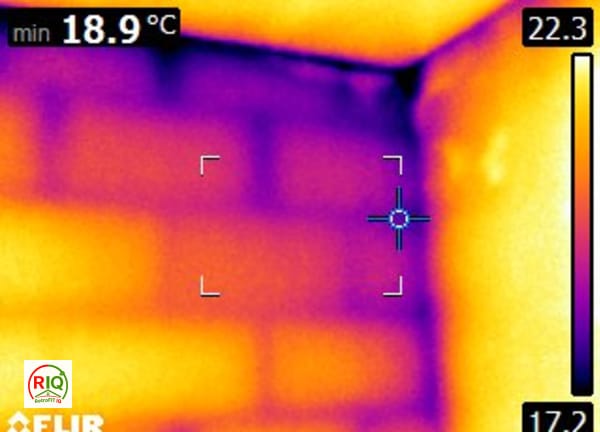
Cold wall surface vs warm ceiling
No related investigations yet.
Browse all investigationsFrequently asked questions
Should I replace my conservatory roof with a solid roof?+
Often yes — the roof is usually where a conservatory loses most heat in winter and gains most in summer, so a solid, insulated roof is frequently the most effective single upgrade for year-round comfort. But it works best when the glazed walls, floor and structure also keep up.
Will a solid roof alone make my conservatory comfortable?+
It transforms it, but may not be enough on its own if the glazed walls and floor stay poor — the room can still be cold in deep winter or warm under strong sun. The best results treat the conservatory as a small extension and improve all the elements.
Is my conservatory strong enough for a solid roof?+
A solid roof is heavier than glass or polycarbonate, so the existing frames, ring beam and base must be checked to carry it, and the work brought within building regulations. This should be verified rather than assumed before committing.
Why is the roof the most important part?+
Because it faces the most summer sun and the cold winter sky, and a glass or polycarbonate roof has almost no insulating value — so it is usually the biggest single source of both overheating and heat loss in a conservatory.
Will a solid roof cause condensation?+
It generally reduces condensation by warming the surfaces, but the more enclosed room then needs adequate ventilation to remove moisture that previously escaped through the leaky glazing, so ventilation should be considered as part of the work.
Is it worth the cost?+
For a conservatory unusable much of the year, it is often the highest-value step toward a year-round room — provided it is specified alongside the walls, floor and structure and the structure can carry it. An assessment confirms the value for your conservatory.
How do you decide what my conservatory needs?+
We log the temperature swings, map the losses and gains with thermal imaging, assess solar gain, check the structure can carry a solid roof, and prioritise the roof within a whole-structure plan with ventilation.
Stop guessing — find the real cause
Do not spend money fixing symptoms before you understand the cause. Every home behaves differently, and the only reliable way to know what is happening in yours is professional building performance diagnostics. At RetrofitIQ we verify buildings using the right combination of investigations:
- Thermal imaging
- Blower door testing
- Moisture & dew point readings
- Ventilation review
- Building physics assessment
- Passive House methodology