
Why does my house overheat in summer?
A house overheats in summer when more solar heat enters during the day than can be removed at night. Sun through unshaded glazing and a hot roof pours energy in; if the home is then unable to purge that heat overnight — because windows stay shut, ventilation is limited or the structure holds onto warmth — temperatures climb day after day. Overheating is a building-physics balance of solar gain in versus heat out, and it is increasingly common in modern, well-insulated and glazed homes.
 Reviewed by George Sora, Certified Passive House DesignerUpdated June 2026
Quick answer & key takeaways
7 min read- Overheating is too much solar gain in versus too little heat out at night.
- Unshaded south- and west-facing glazing is usually the biggest source of gain.
- Hot roofs and loft spaces add significant heat to the rooms below.
- Night-time ventilation to purge heat is essential and often missing.
- Biggest misconception: overheating is just hot weather. It is a controllable balance.
- Retrofit IQ's approach: assess solar gains, shading and night ventilation, not just add cooling.
What this usually means
Overheating is the summer mirror of winter heat loss: instead of warmth escaping, solar energy accumulates. During the day, sunlight passing through glazing is absorbed by floors, walls and furnishings and re-radiated as heat, and a sun-baked roof conducts heat into the spaces below. The more unshaded glass a home has, especially facing south and west, and the hotter its roof, the more energy enters — and once inside, that heat does not leave on its own.
The other half of the balance is getting heat out, which mainly happens overnight when the outside air is cooler. A home that can purge heat at night — through secure openable windows, cross-ventilation or mechanical means — resets each day and stays comfortable. One that cannot, because windows are kept shut for security or noise, or ventilation is limited, carries the day's heat into the night and accumulates more the next day, so temperatures ratchet upward through a warm spell.
Modern homes are particularly prone to it. Good insulation and airtightness that keep heat in during winter also slow heat from escaping in summer; large glazed areas admit a lot of solar gain; and tight, sealed envelopes need deliberate ventilation to purge heat. So overheating is not simply bad luck with the weather — it is the predictable result of the home's glazing, shading, insulation and ventilation, all of which can be assessed and improved so the home stays comfortable without resorting straight to energy-hungry air conditioning.
Common causes
Excessive unshaded solar gain
Large south- and west-facing glazing without shading admits a great deal of solar heat during the day.
Hot roof and loft spaces
A sun-heated roof conducts warmth into rooms below, especially top-floor and loft rooms.
No effective night-time ventilation
Without purging heat overnight, the day's accumulated warmth carries over and builds up.
Lack of shading
Missing external shading, blinds or overhangs lets direct sun heat the interior unchecked.
Internal heat gains
Appliances, lighting and occupants add heat that a poorly ventilated home cannot shed.
Signs and symptoms
Rooms hottest in afternoon and evening
Peak heat later in the day reflects accumulated solar gain that has not been purged.
Upstairs and loft rooms worst
Heat rising and a hot roof make top-floor and loft rooms overheat most.
Hot, stuffy nights
A home that stays hot overnight is failing to purge the day's heat.
Worse on sunny, still days
Overheating that tracks sunshine and calm air points to solar gain and weak ventilation.
Heat lingering through warm spells
Temperatures climbing over consecutive hot days show heat accumulating faster than it leaves.
What most people check first
- Which rooms overheat and whether they face south or west.
- Whether glazing is shaded by blinds, overhangs or external shading.
- Whether the home can be ventilated at night to purge heat.
- Whether top-floor or loft rooms suffer most (a hot roof).
What most people miss
- That overheating is a balance of solar gain in and heat out, not just weather.
- That shading the glazing prevents far more heat than trying to remove it later.
- That night-time purge ventilation is essential to reset each day.
- That well-insulated, glazed modern homes are especially at risk.
The building physics
Summer overheating is governed by the dynamic heat balance of the building over the day-night cycle. Solar radiation through glazing is the dominant gain in most homes, set by the glazed area, its orientation and its solar transmittance, plus conduction through sun-heated roofs and walls; internal gains from people and appliances add to it. These gains are stored in the building's thermal mass and released, so peak temperatures lag the peak sun and overheating builds cumulatively when the gains exceed what is removed.
Removing heat relies chiefly on ventilation, and most effectively on night cooling: when outdoor air falls below indoor temperature overnight, ventilating flushes accumulated heat and cools the thermal mass ready for the next day. The effectiveness depends on the available opening area, secure cross-ventilation or mechanical purge, and the exposed thermal mass to cool. Where night ventilation is absent or insufficient, the stored heat is not discharged and indoor temperatures rise progressively through a warm spell.
This is why the proven hierarchy is to limit gains first and remove the rest, before adding cooling. Reducing solar gain — external shading, overhangs, solar-control glazing, limiting unshaded glass — cuts the heat at source far more efficiently than extracting it afterwards; effective night-purge ventilation then discharges the residual and internal gains. Dynamic overheating assessment (the kind used in Passive House and standards such as CIBSE TM52/TM59) models these flows to predict overheating and test measures, so the home is designed to stay comfortable rather than retrofitted with air conditioning to mask the problem.
How to stop a house overheating in summer
Limit the solar gain getting in, then purge the residual heat at night. Assess the balance rather than reaching straight for air conditioning.
- 01
Assess gains, shading and ventilation
Establish where solar gain enters, how the home is shaded, and whether it can purge heat at night.
- 02
Shade the glazing
Add external shading, overhangs, shutters or solar-control measures to cut solar gain at source, prioritising south and west glass.
- 03
Reduce roof heat
Improve roof and loft insulation and ventilation so a hot roof adds less heat to the rooms below.
- 04
Enable secure night ventilation
Provide secure openable windows, cross-ventilation or mechanical purge so the day's heat is flushed overnight.
- 05
Cut internal gains
Reduce unnecessary heat from appliances and lighting during the day.
- 06
Verify comfort
Confirm peak temperatures and overnight cooling have improved through warm weather.
How to prevent it coming back
- Shade south- and west-facing glazing before summer.
- Keep effective night-purge ventilation available and secure.
- Insulate and ventilate the roof to limit summer heat gain.
- Limit unshaded glazing and internal heat gains by design.
How Retrofit IQ investigates this
We assess the summer heat balance — gains in, heat out — so overheating is solved at source.
Do not spend money fixing symptoms before you understand the cause — investigate first, then build with confidence.
Do I need a professional investigation?
If your home overheats in summer, it is worth assessing the solar gains, shading and night ventilation — so the heat is limited at source and purged overnight, giving comfortable temperatures without the running cost and carbon of air conditioning.
Where to go next
Relevant services
Related comparisons
From the Academy
Evidence from Real Projects (16)
Real project and investigation images from our own fieldwork, matched to this page — not stock photography.
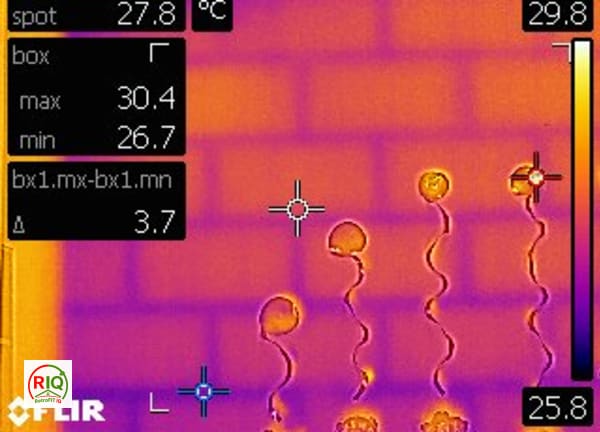
Thermal Bridging Visible Through Masonry Blockwork Wall

Sample Building Performance Investigation Report — Thermal Imaging
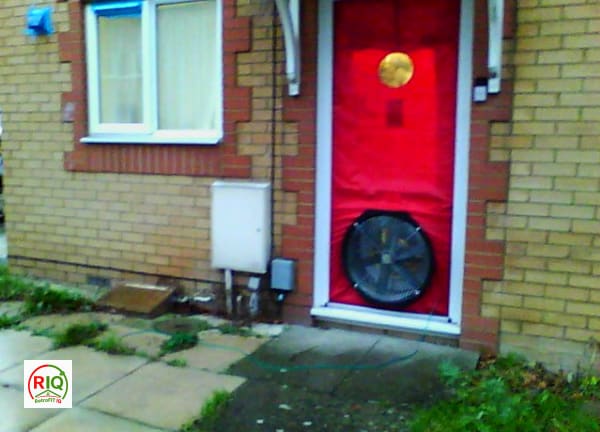
Blower Door Airtightness Test Setup

Thermal Bridge at Internal Corner Wall Junction

Thermal Bridge at Wall-Ceiling Junction Near Window

Loft Thermal Investigation — Thermal Imaging Findings
No related investigations yet.
Browse all investigationsFrequently asked questions
Why does my house overheat in summer?+
Because more solar heat enters during the day — through unshaded glazing and a hot roof — than the home can purge at night. When heat accumulates faster than it leaves, temperatures climb through a warm spell.
Why is my house hotter than outside at night?+
The day's solar and internal gains are stored in the structure and released slowly. If the home cannot ventilate to flush that heat overnight, it stays warmer than the cooling outside air.
Does insulation make overheating worse?+
Insulation keeps heat in, which is ideal in winter but means summer heat, once inside, is slower to escape. That is why shading to limit gains and night ventilation to purge heat matter so much in well-insulated homes.
What is the best way to stop overheating?+
Limit the solar gain getting in first — external shading, solar-control glazing, less unshaded glass — then purge the residual heat with secure night ventilation. Add cooling only if needed after that.
Why are upstairs rooms hottest?+
Heat rises, and a sun-heated roof conducts warmth into the rooms below, so top-floor and loft rooms overheat most. Roof insulation, ventilation and shading help.
Do I need air conditioning?+
Often not. Shading, roof improvements and night-purge ventilation solve most overheating without the running cost and carbon of air conditioning. Assessment shows whether passive measures are enough.
How do you assess overheating?+
We log temperatures, review solar gains and shading, assess night ventilation and the roof, and model the heat balance to predict overheating and test the measures that will fix it.
Stop guessing — find the real cause
Do not spend money fixing symptoms before you understand the cause. Every home behaves differently, and the only reliable way to know what is happening in yours is professional building performance diagnostics. At RetrofitIQ we verify buildings using the right combination of investigations:
- Thermal imaging
- Blower door testing
- Moisture & dew point readings
- Ventilation review
- Building physics assessment
- Passive House methodology