
Why is my loft room too hot in summer?
Loft and top-floor rooms often overheat in summer because the roof absorbs intense solar heat, thin or gappy insulation lets it through, and the room has little ability to lose that heat or keep it out. Overheating is the summer counterpart of winter heat loss — and the same fabric weaknesses usually cause both. Controlling it is about insulation, shading, ventilation and thermal mass.
 Reviewed by George Sora, Certified Passive House DesignerUpdated June 2026
Quick answer & key takeaways
6 min read- Loft rooms overheat because the roof absorbs strong solar heat and thin insulation lets it in.
- The same poor insulation that loses heat in winter admits heat in summer.
- Glazing facing the sun and little shading add solar gain that the room cannot shed.
- Night ventilation and shading are key to keeping loft rooms cool.
- Biggest misconception: overheating is just the weather. The roof and fabric usually drive it.
- Retrofit IQ's approach: assess roof insulation, solar gain and ventilation to control summer heat.
What this usually means
A loft conversion or top-floor room sits directly beneath the roof, which on a sunny day can reach very high temperatures as it absorbs solar radiation. If the roof insulation is thin, gappy or interrupted, that heat passes through into the room below. Unlike a ground-floor room buffered by the rest of the house, a loft room is exposed on its sloping ceilings and often has roof windows, so it gains heat readily and struggles to lose it.
Solar gain through glazing compounds the problem. Roof windows and dormer glazing facing the sun admit direct solar heat, which is absorbed by the room's surfaces and re-radiated, raising the temperature further. With little thermal mass to absorb the heat and often limited ventilation, the room warms through the day and stays warm into the night.
Crucially, the fabric weaknesses that cause summer overheating are usually the same ones that cause winter heat loss — thin or discontinuous roof insulation and poor detailing. So improving the roof's performance helps in both seasons. Controlling overheating then adds summer-specific measures: shading the glazing, ventilating at night to purge heat, and where possible adding thermal mass.
Common causes
Thin or gappy roof insulation
Inadequate insulation in the sloping ceiling lets the hot roof transmit heat into the room.
Solar gain through roof windows
Unshaded roof and dormer glazing admits direct solar heat that the room cannot easily shed.
Little night ventilation
Without a way to purge heat overnight, the room cannot cool down before the next day.
Low thermal mass
Lightweight loft construction has little capacity to absorb and buffer heat, so temperatures swing quickly.
Dark or heat-absorbing roof finishes
Dark roofs absorb more solar energy, raising the temperature reaching the insulation.
Signs and symptoms
Loft room much hotter than the rest of the house
A top-floor room that is markedly warmer than downstairs points to roof gain and thin insulation.
Uncomfortable heat under the sloping ceilings
Warmth radiating from the sloped ceiling shows heat passing through the roof insulation.
Hot, stuffy nights that don't cool down
A room that stays hot overnight lacks the ventilation to purge the day's heat.
Strong heat near roof windows
Noticeable heat around unshaded roof glazing indicates solar gain.
Worse on south or west-facing slopes
Rooms under sun-facing roof slopes overheat most, reflecting solar exposure.
What most people check first
- How the loft room compares to the rest of the house on hot days.
- Whether roof windows or dormers face the sun and have any shading.
- Whether the room can be ventilated at night to purge heat.
- The likely depth and continuity of the roof (sloping ceiling) insulation.
What most people miss
- That summer overheating and winter heat loss share the same fabric causes.
- That shading the glazing is one of the most effective measures.
- That night ventilation is essential to purge accumulated heat.
- That improving roof insulation helps in both summer and winter.
The building physics
Summer overheating in a loft room is driven by heat gains exceeding the room's ability to lose heat. The gains come from solar radiation absorbed by the roof and conducted through the insulation, plus direct solar gain through glazing. The losses depend on ventilation and the temperature difference to cooler air. When a hot roof drives heat in through thin insulation while unshaded glazing adds solar gain, and the room has little ventilation or mass to buffer it, the temperature climbs and stays high.
Insulation works in both directions: it slows heat flowing out in winter and heat flowing in during summer, and it also damps the daily temperature swing reaching the room. Good, continuous roof insulation therefore reduces the peak heat arriving from the hot roof and delays it, helping the room stay cooler. This is why the same fabric improvement benefits both seasons — it reduces the heat transfer regardless of direction.
Beyond insulation, the controls on overheating are shading, ventilation and mass. Shading the glazing — ideally externally — stops solar heat before it enters; night ventilation purges accumulated heat when outdoor air is cooler; and thermal mass absorbs heat during the day and releases it at night, smoothing the peaks. Assessing the roof insulation, solar exposure and ventilation together is what allows a targeted, effective strategy rather than relying on portable cooling.
How to keep a loft room cool in summer
Reduce the heat getting in, and improve the room's ability to lose it. Address insulation, shading and ventilation together.
- 01
Assess the gains and losses
Identify how much heat comes through the roof versus the glazing, and how the room can ventilate, to target the biggest factor.
- 02
Improve roof insulation
Ensure the sloping ceiling is well and continuously insulated, reducing the heat conducted in (and lost in winter).
- 03
Shade the glazing
Add external shading or solar-control measures to roof and dormer windows facing the sun, cutting solar gain before it enters.
- 04
Ventilate at night
Provide secure night ventilation, or use balanced ventilation, to purge accumulated heat when outdoor air is cooler.
- 05
Add thermal mass where feasible
Where construction allows, increase mass to buffer the daily temperature swing.
- 06
Verify comfort
Check the room's summer temperatures after the measures to confirm overheating is controlled.
How to prevent it coming back
- Insulate the roof well and continuously for both summer and winter.
- Shade sun-facing roof glazing, ideally externally.
- Provide a means of secure night ventilation.
- Consider solar exposure and shading at the design stage of any loft conversion.
How Retrofit IQ investigates this
We assess roof insulation, solar gain and ventilation to control overheating at source.
Do not spend money fixing symptoms before you understand the cause — investigate first, then build with confidence.
Do I need a professional investigation?
It is worth assessing when a loft or top-floor room is uncomfortably hot in summer, particularly in a loft conversion, so the roof insulation, solar gain and ventilation can be addressed together rather than masked with portable cooling that adds running cost.
Where to go next
Relevant services
Related comparisons
From the Academy
Related case studies
Evidence from Real Projects (19)
Real project and investigation images from our own fieldwork, matched to this page — not stock photography.
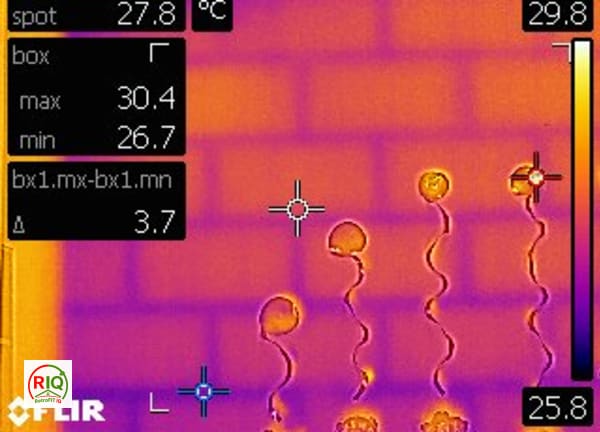
Thermal Bridging Visible Through Masonry Blockwork Wall

Sample Building Performance Investigation Report — Thermal Imaging

Acoustic Floor Upgrades: Mineral Wool Insulation Between Joists

Thermal Bridge at Wall-Ceiling Junction Near Window

Thermal Bridge at Internal Corner Wall Junction
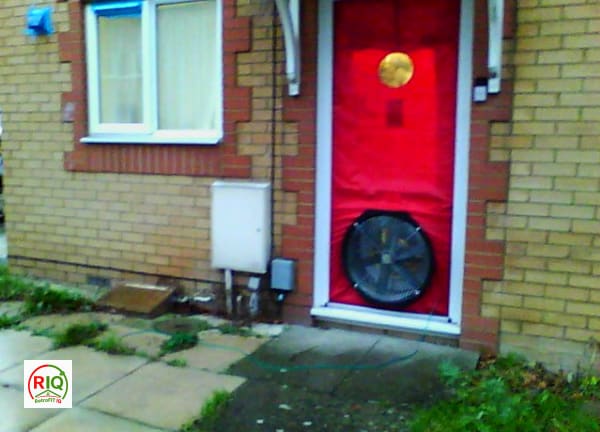
Blower Door Airtightness Test Setup
No related investigations yet.
Browse all investigationsFrequently asked questions
Why is my loft room too hot in summer?+
The roof absorbs strong solar heat, and thin or gappy insulation lets it through into the room, while sun-facing glazing adds solar gain the room cannot easily lose. The same fabric weaknesses usually cause winter heat loss too.
Does loft insulation help in summer?+
Yes. Good, continuous roof insulation slows and reduces the heat coming in from the hot roof, as well as the heat lost in winter, so it helps in both seasons.
What's the best way to keep a loft room cool?+
Reduce heat getting in (roof insulation and shading the glazing) and improve heat loss (night ventilation), ideally combined. External shading and night purge ventilation are particularly effective.
Why is it worse in rooms with roof windows?+
Roof windows facing the sun admit direct solar heat that is absorbed and re-radiated in the room. Shading them cuts this gain before it enters.
Will air conditioning fix it?+
Cooling can mask the symptom but adds running cost and does nothing about the heat getting in. Addressing insulation, shading and ventilation tackles the cause.
Is overheating linked to my winter heat loss?+
Often yes — thin, discontinuous roof insulation lets heat in during summer and out in winter, so improving the fabric benefits both.
How do you assess loft overheating?+
We assess roof insulation with thermal imaging, review solar exposure and shading, and check ventilation, then recommend insulation, shading and night-ventilation measures to control it.
Stop guessing — find the real cause
Do not spend money fixing symptoms before you understand the cause. Every home behaves differently, and the only reliable way to know what is happening in yours is professional building performance diagnostics. At RetrofitIQ we verify buildings using the right combination of investigations:
- Thermal imaging
- Blower door testing
- Moisture & dew point readings
- Ventilation review
- Building physics assessment
- Passive House methodology