
Why are some rooms warmer than others?
When some rooms are warm and others stay cold, the heating system and the building are not matched room by room. The cold rooms are usually losing more heat — through exposed walls, more glazing or air leakage — or receiving less, through undersized or poorly balanced radiators. Diagnosing which applies to each cold room is the key to even, comfortable heat throughout the home.
 Reviewed by George Sora, Certified Passive House DesignerUpdated June 2026
Quick answer & key takeaways
7 min read- Uneven temperatures come from differences in heat loss and in heat delivery between rooms.
- Cold rooms often have more exposed surface — corner rooms, rooms above unheated spaces, more glazing.
- Radiators that are undersized, unbalanced or sludged deliver too little heat to some rooms.
- Air leakage and thermal bridges make specific rooms harder to keep warm.
- The fix matches each cold room's cause — more heat loss reduction or better heat delivery.
- Biggest misconception: it's just the thermostat's location. Usually it's heat loss or balancing.
- Retrofit IQ's approach: measure heat loss and surface temperatures room by room, and review the heating distribution.
What this usually means
An evenly heated home depends on each room's heat supply matching its heat loss. Where rooms differ in temperature, that match has broken down somewhere: either the cold rooms lose more heat than the warm ones, or they receive less from the heating system, or both. Because every room has a different exposure and a different radiator, uneven heating is common — and it is usually a combination of building and system factors rather than a single fault.
On the building side, some rooms are simply harder to keep warm. A corner room has two external walls; a room above an unheated garage or passage loses heat downwards; a room with large or single-glazed windows loses heat through the glass; and rooms with more air leakage or thermal bridges run colder. These rooms need more heat to reach the same temperature, so if they have the same or smaller radiators than easier rooms, they fall behind.
On the system side, heat delivery often varies between rooms. Radiators may be undersized for the room's loss, the system may be poorly balanced so some radiators get more flow than others, valves or pipework may be restricted, or sludge may have reduced a radiator's output. The result is that even rooms with similar heat loss can end up at different temperatures. Diagnosing uneven heating therefore means looking at both the loss from each cold room and the heat reaching it — which is exactly what measurement reveals.
Common causes
More exposed surface in cold rooms
Corner rooms, rooms above unheated spaces and rooms with large glazing lose more heat and need more to stay warm.
Undersized radiators
A radiator too small for a room's heat loss cannot keep it as warm as better-matched rooms.
Poor system balancing
Without balancing, radiators nearest the boiler can hog flow while distant ones run cool, creating uneven temperatures.
Sludge or restricted flow
Cold spots on radiators, sludge or restricted valves reduce a radiator's output to specific rooms.
Localised air leakage and thermal bridges
Draughty rooms or those with cold junctions lose heat faster and lag behind the rest of the home.
Thermostat location
A thermostat in a warm room can satisfy and switch off the heating before colder rooms are comfortable.
Signs and symptoms
Persistent cold rooms while others are warm
Specific rooms that never match the rest point to higher heat loss or lower heat delivery there.
Radiators cold at the bottom or top
Cold patches on a radiator indicate sludge or trapped air reducing its output to that room.
Distant rooms cooler than those near the boiler
A pattern of cooling with distance from the boiler suggests the system needs balancing.
Corner and end rooms coldest
Rooms with the most external surface running coldest reflects their higher heat loss.
Heating satisfies before cold rooms warm
The system switching off while some rooms are still cold can indicate thermostat placement or balancing issues.
What most people check first
- Which rooms are cold and how exposed they are (corner, over unheated space, lots of glazing).
- Whether the cold rooms' radiators are sized appropriately and heat evenly across their surface.
- Whether distant radiators run cooler than those near the boiler (balancing).
- Where the thermostat is and whether it sits in a warm room.
What most people miss
- That cold rooms usually lose more heat, not just receive less.
- That system balancing and radiator sizing strongly affect room-to-room temperatures.
- That sludge and restricted flow can starve specific rooms of heat.
- That the fix should match each cold room's actual cause, found by measuring.
The building physics
Each room reaches the temperature at which its heat input equals its heat loss. Heat loss varies by room according to the area and U-value of its external surfaces, its glazing, its exposure and its air leakage; heat input varies according to its radiator size, the flow it receives and the radiator's condition. Where these two sides differ between rooms, the rooms settle at different temperatures. So uneven heating is not mysterious — it is the predictable result of mismatched loss and delivery, room by room.
The building side explains why certain rooms are reliably the cold ones. A corner room with two external walls has more conducting and radiating surface than an internal room; a room over an unheated garage loses heat through its floor; a room with large windows loses heat through glazing with a far higher U-value than the wall. These rooms have intrinsically higher heat loss, so without proportionally more heat they will always lag. Reducing their loss — insulation, better glazing, sealing leakage and treating thermal bridges — brings them into line.
The system side explains the rest. Hydronic heating must be balanced so each radiator receives the flow its room needs; without balancing, radiators near the boiler take more than their share and distant ones run cool. A radiator undersized for its room's loss cannot keep up; sludge or trapped air leaves cold patches and reduces output; and a thermostat in a warm room can switch the whole system off before cold rooms are satisfied. Diagnosing uneven heating therefore combines a room-by-room view of heat loss (thermal imaging and surface temperatures) with a review of the heating distribution (radiator sizing, balancing and condition) — so each cold room gets the right remedy rather than a blanket guess.
How to even out the heat in your home
Match each cold room's supply to its loss. Identify, room by room, whether the problem is too much heat loss or too little heat delivery, then correct the one that applies.
- 01
Diagnose each cold room
Use thermal imaging and surface-temperature readings to see which cold rooms lose more heat, and check radiator sizing and condition to see which receive too little.
- 02
Balance the heating system
Have the system balanced so each radiator gets the flow its room needs, bringing distant and cold rooms up to temperature.
- 03
Address radiator problems
Bleed trapped air, clear sludge or upsize radiators that are too small for the rooms they serve.
- 04
Reduce heat loss in the cold rooms
Insulate exposed walls and floors, improve glazing and seal air leakage in the rooms that lose the most heat.
- 05
Review controls and thermostat location
Consider zoning or thermostatic radiator valves and ensure the main thermostat is not in a room that satisfies too early.
- 06
Verify even temperatures
Re-measure room temperatures and surfaces to confirm the home now heats evenly.
How to prevent it coming back
- Match radiator sizing to each room's heat loss, especially exposed corner and end rooms.
- Keep the system balanced and free of sludge and trapped air.
- Reduce heat loss in intrinsically colder rooms with insulation and better glazing.
- Use thermostatic radiator valves and sensible thermostat placement for room-by-room control.
- Address localised draughts and thermal bridges that make specific rooms colder.
How Retrofit IQ investigates this
We measure heat loss and surface temperatures room by room and review the heating distribution, so each cold room gets the remedy that actually applies to it.
Do not spend money fixing symptoms before you understand the cause — investigate first, then build with confidence.
Do I need a professional investigation?
It is worth investigating when specific rooms stay stubbornly cold, when balancing and bleeding radiators has not solved it, or when you are planning fabric or heating works and want them to deliver even comfort. Measuring room by room shows whether the cause is heat loss or heat delivery, so each cold room is fixed correctly.
Where to go next
Relevant services
Related comparisons
From the Academy
Related case studies
Related problems you may also have
Evidence from Real Projects (24)
Real project and investigation images from our own fieldwork, matched to this page — not stock photography.

Sample Building Performance Investigation Report — Thermal Imaging
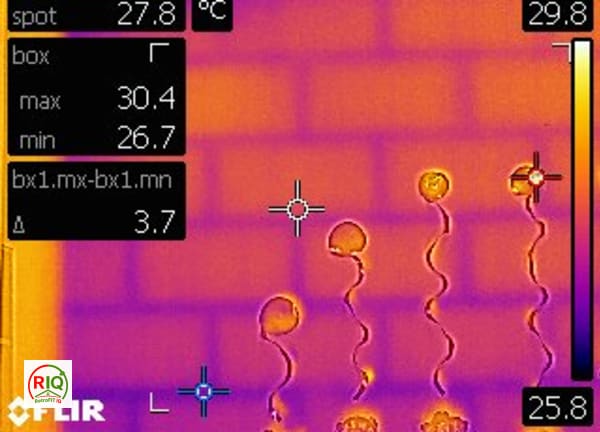
Thermal Bridging Visible Through Masonry Blockwork Wall

Thermal Bridge at Wall-Ceiling Junction Near Window

Thermal Bridge at Internal Corner Wall Junction
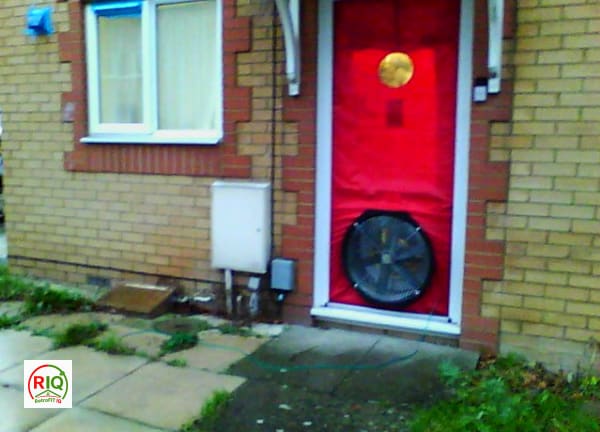
Blower Door Airtightness Test Setup

Cold wall mapped against warm radiator and surrounding fabric
No related investigations yet.
Browse all investigationsFrequently asked questions
Why are some rooms warmer than others?+
Because the cold rooms either lose more heat — through exposed walls, more glazing or air leakage — or receive less, through undersized, unbalanced or sludged radiators. Usually it is a combination, diagnosed room by room.
Why is my corner room always the coldest?+
Corner rooms have two external walls and more exposed surface, so they lose more heat than internal rooms. Unless they get proportionally more heat, they stay colder.
Will balancing the radiators fix uneven heating?+
Often it helps significantly, by ensuring each radiator gets the flow its room needs. But if a cold room also has high heat loss or an undersized radiator, balancing alone may not be enough.
Why is one radiator cold at the bottom?+
Usually sludge build-up; cold at the top usually means trapped air. Both reduce the radiator's output, leaving that room cooler than the rest.
Could the thermostat be causing it?+
It can contribute. A thermostat in a warm room can switch the heating off before colder rooms are comfortable. Thermostatic radiator valves and sensible placement help even this out.
Should I insulate or fix the heating to even it out?+
It depends on each cold room. Rooms with high heat loss benefit from insulation and better glazing; rooms starved of heat benefit from balancing or radiator upgrades. Measuring shows which applies.
How do you diagnose uneven heating?+
We measure heat loss and surface temperatures room by room with thermal imaging, review radiator sizing and balancing, and check for localised leakage, then fix each cold room's actual cause.
Stop guessing — find the real cause
Do not spend money fixing symptoms before you understand the cause. Every home behaves differently, and the only reliable way to know what is happening in yours is professional building performance diagnostics. At RetrofitIQ we verify buildings using the right combination of investigations:
- Thermal imaging
- Blower door testing
- Moisture & dew point readings
- Ventilation review
- Building physics assessment
- Passive House methodology