
Will better insulation make my house hotter in summer?
A common worry is that insulating a home will make it hotter in summer by 'trapping heat' — but this misunderstands how insulation and overheating work. Summer overheating is driven by solar gain (sunlight entering through windows and heating the roof) and by an inability to get rid of that heat through ventilation, not by insulation. Insulation actually slows heat from passing through the fabric in both directions, so a well-insulated home gains heat from the hot outdoors more slowly and, once cooled, stays cool longer. The real causes of a hot house are unshaded glazing, a sun-baked roof and a lack of night ventilation — and insulation, far from causing the problem, is part of the solution.
 Reviewed by George Sora, Certified Passive House DesignerUpdated June 2026
Quick answer & key takeaways
8 min read- Insulation does not cause summer overheating — solar gain and poor ventilation do.
- Insulation slows heat flow in both directions, so it keeps heat out as well as in.
- A well-insulated home gains outdoor heat more slowly and stays cool longer once cooled.
- The real causes are unshaded glazing, a hot roof and no night-purge ventilation.
- Biggest misconception: insulation traps summer heat. It actually helps keep the home cool.
- Retrofit IQ's approach: cut solar gain and improve ventilation, with insulation as an ally.
What this usually means
Overheating in summer happens when more heat enters a home than it can shed. Heat enters mainly as solar gain — sunlight passing through windows and warming the rooms directly, and the sun heating the roof and walls, which then conduct that warmth inward — and as warm outdoor air. A home overheats when this incoming heat builds up faster than ventilation can remove it. The level of insulation is not what drives this; the drivers are how much solar heat gets in and how well the home can purge the heat it has accumulated. Blaming insulation confuses the role it plays.
Insulation works by slowing the conduction of heat through the fabric, and it does this in both directions: in winter it slows heat escaping from the warm inside to the cold outside, and in summer it slows heat passing from the hot outside to the cooler inside. So a well-insulated roof and walls actually reduce the heat the hot outdoors pushes into the home through the fabric, and they help the home hold onto the cooler temperatures achieved by night ventilation. The notion that insulation 'traps' summer heat would only apply to heat generated inside the home with no way out — but the dominant summer heat comes from outside, and insulation reduces that inward flow.
The genuine causes of a hot house — and therefore the real fixes — lie with solar gain and ventilation. Unshaded windows on sunny orientations and overhead rooflights admit strong solar gain; a dark, sun-baked roof drives heat into the top floor; and without a night-purge route to flush cool night air through, the day's accumulated heat stays in the home. Addressing these — external shading and solar-control glazing, improving and where possible reflecting the roof, and enabling secure night ventilation — is what cools a home, and good insulation supports it by keeping the conducted heat out and the night-time coolth in. So insulating well is compatible with, and helpful to, summer comfort; the mistake is to insulate while leaving the solar gain unshaded and the ventilation inadequate, then attribute the resulting heat to the insulation.
Common causes
Solar gain through glazing
Unshaded windows and rooflights admit strong solar heat — the main driver of overheating.
A sun-baked roof
The sun heats the roof, which conducts warmth into the rooms below.
No night-purge ventilation
Without a route to flush cool night air through, the day's heat stays in the home.
Misattributing heat to insulation
Insulation slows inward heat flow, so it is not the cause of overheating.
Internal heat with no escape
Heat generated indoors needs ventilation to remove it, not less insulation.
Signs and symptoms
Rooms hot where the sun strikes
Heat concentrated at sunny windows points to solar gain, not insulation.
Top floor hottest
A hot top floor reflects the roof's solar gain, helped by better roof insulation.
Hot into the night
Heat persisting after dark indicates a lack of night-purge ventilation.
Cooler after night ventilation
The home cooling when aired at night shows ventilation, not insulation, is the lever.
Overheating despite poor insulation
A poorly insulated home that still overheats confirms insulation is not the cause.
What most people check first
- Whether unshaded glazing is admitting strong solar gain.
- Whether the roof is driving heat into the top floor.
- Whether there is a night-purge ventilation route.
- Whether the heat is coming from outside (insulation helps) or generated inside.
What most people miss
- That insulation slows inward heat flow, helping keep the home cool.
- That solar gain and ventilation, not insulation, drive overheating.
- That external shading and night ventilation are the real fixes.
- That a poorly insulated home overheats too — disproving the myth.
The building physics
Insulation reduces the thermal transmittance of the fabric, lowering the conductive heat flow for a given temperature difference regardless of its direction. In summer, when the external air and the sun-warmed surfaces are hotter than the interior, the temperature gradient runs inward, so insulation reduces the heat conducted into the home through the roof and walls — exactly as it reduces outward loss in winter. The idea that insulation makes a home hotter rests on imagining heat trapped inside, but the dominant summer heat originates outdoors and from solar gain; insulation impedes that inward conduction and, by reducing the fabric's coupling to the hot exterior, helps the interior stay closer to the cooler night-time condition achieved by ventilation.
Overheating is governed instead by the balance of solar and internal gains against the capacity to remove heat by ventilation, modulated by thermal mass. Solar gain through glazing is transmitted directly and instantly as the sun strikes the glass, so unshaded or overhead glazing dominates the heat input; the sun-heated roof adds a conducted, time-lagged gain that a thinly insulated roof transmits quickly to the top floor. Removing accumulated heat depends on ventilation — particularly night-purge ventilation that uses cool night air and the stack effect to flush the heat out — and on thermal mass to buffer the daytime peaks. None of these mechanisms is worsened by insulation; shading reduces the solar input, ventilation removes the stored heat, and insulation reduces the conducted input and helps retain the night-time coolth.
The practical implication is that summer comfort and good insulation are complementary, and the failure mode is mis-sequencing rather than insulating. A home that is insulated but left with unshaded glazing and inadequate night ventilation will overheat — not because of the insulation but because the dominant solar gain and the lack of purge were not addressed. The correct strategy reduces solar gain (external shading, solar-control glazing, reflective or better-insulated roof) and provides night-purge ventilation, with insulation supporting both by limiting conducted gain. An overheating assessment that quantifies the solar gain by orientation, the roof's contribution and the night-purge potential identifies the real drivers, so the response targets shading and ventilation — confirming that better insulation is an ally of a cool house, not the cause of a hot one.
How to keep a well-insulated home cool in summer
Treat overheating as a solar-gain and ventilation problem: shade the glazing, address the roof, and enable night-purge ventilation — with insulation helping to keep the conducted heat out.
- 01
Identify the heat inputs
Establish whether unshaded glazing, the roof or internal gains drive the overheating.
- 02
Shade the glazing
Add external shading and solar-control glazing to cut the dominant solar gain.
- 03
Address the roof
Improve and where possible reflect the roof so it conducts less heat to the top floor.
- 04
Enable night-purge ventilation
Provide secure openings to flush cool night air through and remove the day's heat.
- 05
Use insulation as an ally
Keep the fabric well insulated to slow inward heat flow and retain the night-time coolth.
- 06
Verify the real cause
Confirm the solar gain and ventilation are addressed rather than blaming the insulation.
How to prevent it coming back
- Shade glazing externally on sunny and overhead orientations.
- Provide night-purge ventilation to remove accumulated heat.
- Insulate the roof well to slow inward summer heat.
- Address solar gain and ventilation rather than reducing insulation.
How Retrofit IQ investigates this
We identify the real drivers of overheating — solar gain and ventilation — and confirm insulation's role in keeping the home cool.
Do not spend money fixing symptoms before you understand the cause — investigate first, then build with confidence.
Do I need a professional investigation?
If your home overheats in summer and you are unsure whether insulation is helping or hurting, it is worth assessing where the heat actually comes from. Quantifying the solar gain, the roof's contribution and the night-purge potential confirms that solar gain and ventilation are the drivers — so shading and ventilation can be targeted and insulation kept as an ally, rather than wrongly blamed for a hot house.
Where to go next
Relevant services
Related comparisons
From the Academy
Related case studies
Related problems you may also have
Evidence from Real Projects (11)
Real project and investigation images from our own fieldwork, matched to this page — not stock photography.

Sample Building Performance Investigation Report — Thermal Imaging
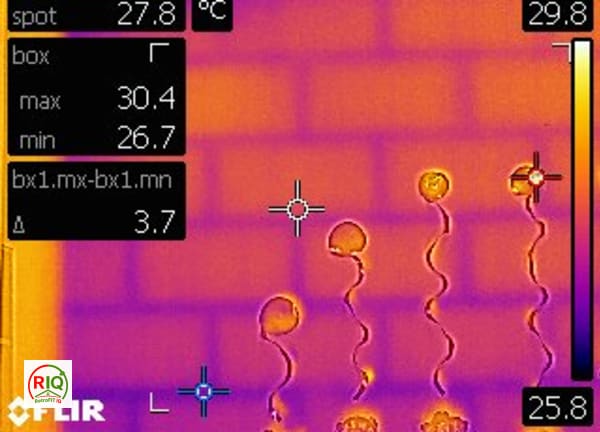
Thermal Bridging Visible Through Masonry Blockwork Wall

Thermal Bridge at Internal Corner Wall Junction

Thermal Bridge at Wall-Ceiling Junction Near Window

Acoustic Floor Upgrades: Mineral Wool Insulation Between Joists

Loft Thermal Investigation — Thermal Imaging Findings
No related investigations yet.
Browse all investigationsFrequently asked questions
Will better insulation make my house hotter in summer?+
No — this is a common misunderstanding. Summer overheating is driven by solar gain through windows and the roof and by poor ventilation, not by insulation. Insulation slows heat flow in both directions, so it actually reduces the heat the hot outdoors pushes into the home and helps it stay cool once cooled by night air.
Doesn't insulation trap heat inside?+
Only heat generated inside the home with no way out, which is a ventilation issue. The dominant summer heat comes from outside — sunlight and warm air — and insulation impedes that inward flow, so it keeps the home cooler rather than trapping heat in.
Then why does my insulated house still overheat?+
Because the real causes were not addressed: unshaded glazing admitting solar gain, a sun-baked roof, and no night-purge ventilation to flush the heat out. A home can be well insulated and still overheat if the solar gain and ventilation are ignored — but the insulation is not the culprit.
Does insulating the loft help in summer?+
Yes. A well-insulated roof slows the heat the sun-baked roof conducts down into the top floor, which is one of the main summer heat paths. So loft and roof insulation helps keep the upper rooms cooler, alongside shading and night ventilation.
What actually keeps a house cool in summer?+
Reducing solar gain with external shading and solar-control glazing, addressing the roof, and providing night-purge ventilation to remove accumulated heat — with good insulation supporting it by limiting conducted heat. The key is to target the solar gain and ventilation, not to reduce insulation.
How do you tell what's making my house hot?+
We log the temperatures, quantify the solar gain through the glazing and roof, and assess the night-purge potential — which confirms that solar gain and ventilation drive the overheating, so we can target shading and ventilation and keep insulation working as an ally.
Stop guessing — find the real cause
Do not spend money fixing symptoms before you understand the cause. Every home behaves differently, and the only reliable way to know what is happening in yours is professional building performance diagnostics. At RetrofitIQ we verify buildings using the right combination of investigations:
- Thermal imaging
- Blower door testing
- Moisture & dew point readings
- Ventilation review
- Building physics assessment
- Passive House methodology