
Do I need external shading, or will internal blinds do?
For controlling overheating, external shading is far more effective than internal blinds, because it stops the sun before it passes through the glass, whereas an internal blind only intercepts the heat once it is already inside the room. Internal blinds help with glare and privacy and offer some benefit, but they cannot match external shutters, blinds or overhangs for keeping a room cool. So if your aim is to stop a room overheating in summer, the honest answer is that external shading is what really works.
 Reviewed by George Sora, Certified Passive House DesignerUpdated June 2026
Quick answer & key takeaways
7 min read- External shading stops solar heat before it enters; internal blinds intercept it after.
- Externally shading the glass is far more effective at preventing overheating.
- Internal blinds still help with glare and privacy and give a small thermal benefit.
- The right type of external shading depends on the window's orientation.
- Biggest misconception: closing the blinds keeps a room cool. Internal blinds barely do.
- Retrofit IQ's approach: shade externally where overheating matters, sized to orientation.
What this usually means
When sunlight strikes a window, the question is where the heat ends up. With external shading — a shutter, external blind, brise-soleil, overhang or even a tree — most of the sun's energy is reflected or absorbed and re-radiated outside, before it ever reaches the glass, so very little enters the room. With an internal blind, the sun passes through the glass first and is absorbed by the blind inside; that energy is now within the room and largely stays there, re-radiated and convected into the space. The glass effectively traps it, which is the familiar greenhouse effect.
This is why internal blinds, though useful, are weak against overheating: by the time they act, the heat is already inside. They do reduce glare, give privacy, and provide a modest thermal benefit (especially reflective or well-sealed types), so they are not useless — but they cannot prevent a sun-facing room from heating up the way external shading can. People often close internal blinds in a heatwave and are disappointed that the room still bakes, precisely because the heat has already crossed the glass.
External shading should be matched to the window's orientation, because the sun's position differs. High summer sun on south-facing glazing is well controlled by horizontal devices — overhangs, brise-soleil, awnings — that block the steep midday sun while still allowing lower winter sun in. Low morning and especially evening sun on east and west windows comes in at a shallow angle and needs vertical or full-cover shading, such as shutters or external blinds, to be stopped. Where external shading is impractical, the next best options are solar-control glazing or, as a fallback, the most reflective internal blinds — but for genuinely preventing overheating, external shading on the sunniest windows is the measure that delivers.
Common causes
Solar gain through glazing
Direct sun through windows is the main overheating driver that shading must intercept.
Heat trapped behind internal blinds
Sun absorbed by an internal blind is already inside the room and largely stays there.
Unshaded south-facing glass
South windows take strong midday sun best controlled by external horizontal shading.
Low east/west sun
Shallow morning and evening sun needs vertical or full external shading to block it.
Large glazed areas
Big windows and glazed extensions gain a lot of sun, making external shading more important.
Signs and symptoms
Room still hot with blinds closed
A sun-facing room overheating despite internal blinds shows the heat is already inside.
South or west rooms worst
The most sun-exposed rooms overheating points to solar gain needing external shading.
Hot conservatory or glazed extension
Large glazed areas baking in sun are classic cases for external shading.
Glare as well as heat
Strong glare alongside heat indicates significant solar gain through the glazing.
Heat building through the afternoon
Rooms warming through a sunny afternoon reflect unshaded solar gain.
What most people check first
- Whether the room overheats even with internal blinds closed.
- Which orientation the overheating windows face.
- Whether external shading is practical on those windows.
- Whether large glazed areas are driving the gain.
What most people miss
- That internal blinds act only after the heat is inside.
- That external shading stops the sun before it enters.
- That the right external shading depends on the window's orientation.
- That solar-control glazing is the next best option where shading is impractical.
The building physics
A window admits solar energy as short-wave radiation; once that radiation is absorbed by surfaces or blinds inside, it is re-emitted as long-wave radiation, to which glass is largely opaque, so the heat is trapped indoors — the greenhouse effect. The decisive factor for overheating is therefore where the absorption happens. External shading absorbs and reflects the radiation outside the glass, so the trapped fraction never forms; an internal blind absorbs it inside, where the glass prevents most of the resulting heat from escaping, so the room still warms. This asymmetry is why external shading vastly outperforms internal blinds.
The metric that captures this is the total solar energy transmittance of the window-and-shading system (its g-value or solar heat gain coefficient). External shading can cut the effective solar transmittance dramatically, often by 70–80% or more, because it operates before the glass; internal blinds achieve far smaller reductions because they operate after it, with the exact figure depending on how reflective and well-sealed the blind is. Solar-control glazing reduces transmittance within the glass itself and sits between the two in effectiveness while needing no external device.
Geometry then sets the appropriate device. Summer sun is high in the south, so a horizontal overhang or brise-soleil blocks the midday sun on south glazing while admitting the lower, welcome winter sun. East and especially west sun is low and intense, striking glazing nearly head-on at the start and end of the day, so only vertical or full-cover external shading (shutters, external blinds, awnings) reliably blocks it. Matching the shading type to orientation, and prioritising the windows with the greatest gain, gives the most effective passive control of overheating; an assessment of the solar exposure shows where external shading is essential and where lesser measures suffice.
How to choose shading that actually stops overheating
Prioritise external shading on the sunniest windows, matched to their orientation; use internal blinds for glare and privacy and solar-control glazing where external shading is impractical.
- 01
Identify the sunniest windows
Find the windows gaining the most sun, usually south, east and west facing.
- 02
Shade them externally
Fit external shutters, blinds, awnings or overhangs to stop the sun before the glass.
- 03
Match the device to orientation
Use horizontal shading for high south sun and vertical/full shading for low east and west sun.
- 04
Use solar-control glazing where needed
Where external shading is impractical, specify solar-control glass to reduce transmittance.
- 05
Keep internal blinds for glare
Retain internal blinds for glare and privacy, recognising their limited thermal benefit.
- 06
Combine with night ventilation
Pair shading with night-purge ventilation so any heat that does enter is removed.
How to prevent it coming back
- Shade sun-facing windows externally, prioritising the worst-affected.
- Match shading type to each window's orientation.
- Use solar-control glazing where external shading is not possible.
- Don't rely on internal blinds to prevent overheating.
How Retrofit IQ investigates this
We assess the solar exposure window by window to specify external shading that genuinely controls overheating.
Do not spend money fixing symptoms before you understand the cause — investigate first, then build with confidence.
Do I need a professional investigation?
If rooms overheat despite closing internal blinds, it is worth assessing the solar exposure to decide where external shading is needed and what type. Identifying the windows and orientations driving the gain ensures the shading is effective rather than cosmetic, and is combined with night ventilation for a comfortable home.
Where to go next
Relevant services
Related comparisons
From the Academy
Related case studies
Related problems you may also have
Evidence from Real Projects (20)
Real project and investigation images from our own fieldwork, matched to this page — not stock photography.
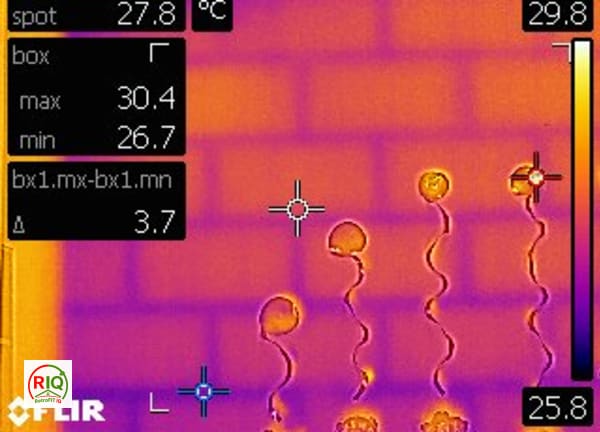
Thermal Bridging Visible Through Masonry Blockwork Wall

Sample Building Performance Investigation Report — Thermal Imaging

Thermal Bridge at Internal Corner Wall Junction

Thermal Bridge at Wall-Ceiling Junction Near Window
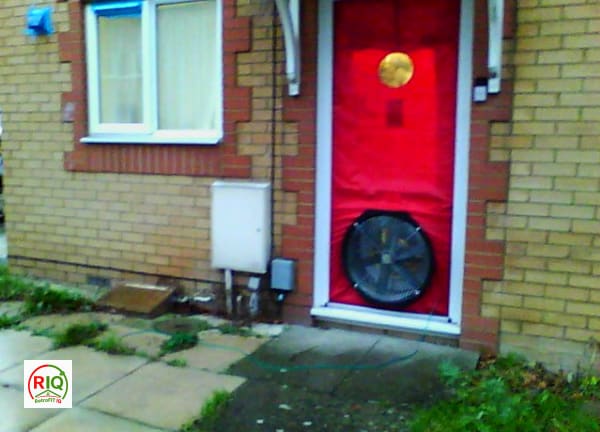
Blower Door Airtightness Test Setup

Acoustic Floor Upgrades: Mineral Wool Insulation Between Joists
No related investigations yet.
Browse all investigationsFrequently asked questions
Do I need external shading, or will internal blinds do?+
For controlling overheating, external shading is far more effective, because it stops the sun before it passes through the glass. Internal blinds only intercept the heat once it is already inside the room, so they barely reduce overheating, though they help with glare and privacy.
Why don't internal blinds keep my room cool?+
Because the sun passes through the glass before reaching them, and the glass then traps the heat the blind absorbs inside the room — the greenhouse effect. The energy is already indoors, so the room still warms even with the blinds closed.
How much more effective is external shading?+
External shading can cut the effective solar gain by around 70–80% or more because it acts before the glass, whereas internal blinds achieve far smaller reductions. It is the difference between preventing the heat and trying to manage it after it has entered.
What type of external shading do I need?+
It depends on orientation: high south sun is well controlled by horizontal overhangs or brise-soleil, while low east and west sun needs vertical or full-cover shading such as shutters or external blinds to block its shallow angle.
What if I can't fit external shading?+
Then solar-control glazing, which reduces solar transmittance within the glass, is the next best option, with the most reflective, well-sealed internal blinds as a fallback. These help, but external shading remains the most effective for overheating.
Do internal blinds have any benefit?+
Yes — they reduce glare, give privacy, and provide a modest thermal benefit, especially reflective types. They are worth having, just not relied upon as the main defence against overheating.
How do you decide what shading I need?+
We assess the solar exposure window by window, identify which orientations drive the overheating, and specify external shading matched to each, combined with solar-control glazing and night ventilation where appropriate.
Stop guessing — find the real cause
Do not spend money fixing symptoms before you understand the cause. Every home behaves differently, and the only reliable way to know what is happening in yours is professional building performance diagnostics. At RetrofitIQ we verify buildings using the right combination of investigations:
- Thermal imaging
- Blower door testing
- Moisture & dew point readings
- Ventilation review
- Building physics assessment
- Passive House methodology