How do I keep my house cool without air conditioning?
You can keep a home comfortable in summer without air conditioning by working with building physics rather than against it: stop the heat getting in during the day, and purge the heat that does build up at night. In practice that means shading the windows that gain the most sun, keeping the fabric (especially the roof) insulated, closing up against the hot daytime air, and ventilating hard once the outside cools in the evening. Done in the right order, these passive measures keep most UK homes comfortable through all but the most extreme heat.
 Reviewed by George Sora, Certified Passive House DesignerUpdated June 2026
Quick answer & key takeaways
7 min read- Cooling without air conditioning means keeping heat out by day and purging it by night.
- Shading the sunniest windows is the single most effective daytime measure.
- Insulation, especially the roof, slows heat entering as well as escaping.
- Night-purge ventilation flushes out the heat once the outside air cools.
- Biggest misconception: you must add cooling. Usually you must reduce and remove gain.
- Retrofit IQ's approach: reduce solar gain, improve the fabric, and ventilate at night.
What this usually means
A home overheats when more heat enters during the day than is removed, so it warms up over a hot spell. The heat comes mainly from the sun through windows (solar gain), through the roof and walls, and from internal sources like appliances and people. Air conditioning tackles only the symptom, at a running and carbon cost, and often while the heat keeps pouring in. The passive approach instead reduces the gain and removes what does accumulate, which for most UK homes is enough to stay comfortable without mechanical cooling.
The biggest single lever is solar shading, because direct sun through glazing is usually the largest gain. Shading on the outside of the windows — external blinds, shutters, brise-soleil, overhangs, or even well-placed planting — stops the sun before it enters and is far more effective than internal blinds, which only intercept the heat after it is already inside. Reducing gain through the fabric matters too, especially at the roof, which receives the most intense sun; good roof insulation slows that heat just as it slows winter heat loss. Closing windows and blinds during the hottest part of the day keeps the hot outside air and sun out.
Then, once the outdoor air drops below the indoor temperature in the evening and overnight, you purge: open windows wide, ideally on opposite sides and at different heights, so cross- and stack-ventilation flush the day's accumulated heat out and cool the building's mass ready for the next day. The order matters — reduce gain first, then remove what remains — and the measures reinforce each other. Where overheating is severe, mechanical ventilation or, as a last resort, a small amount of cooling can supplement, but for the great majority of homes shading, fabric and night ventilation are what keep them cool without air conditioning.
Common causes
Solar gain through windows
Direct sun through glazing is usually the largest daytime heat gain to control.
Heat through the roof
The roof receives the most intense sun, so poor roof insulation lets heat pour in.
Closed-up home with no night purge
Failing to ventilate when the air cools traps the day's accumulated heat indoors.
Internal heat gains
Appliances, cooking and occupants add heat that builds up without ventilation.
Internal blinds only
Blinds inside the glass stop little heat, as the sun has already entered the room.
Signs and symptoms
Rooms that get hotter through the day
Temperatures climbing as the day goes on show solar and fabric gain outpacing removal.
Hot at night, won't cool down
Heat lingering after dark indicates the home is not being purged when the air cools.
South and west rooms worst
Rooms with the most sun-facing glazing overheating points to solar gain as the main driver.
Top floor and loft hottest
Upper rooms being hottest reflects heat entering through the roof.
Stuffy, warm air indoors
Warm, stale air shows internal and solar gains accumulating without ventilation.
What most people check first
- Which windows gain the most sun and whether they are shaded externally.
- Whether the roof is well insulated against summer heat.
- Whether the home is closed up during the hottest part of the day.
- Whether it is ventilated hard at night when the air cools.
What most people miss
- That reducing gain matters more than adding cooling.
- That external shading beats internal blinds by a wide margin.
- That roof insulation cuts summer gain as well as winter loss.
- That night-purge ventilation is essential to remove accumulated heat.
The building physics
Summer comfort is a balance between heat gains and heat losses over the day-night cycle. Gains are dominated by solar radiation through glazing, which depends on orientation, glazing area and shading; by conduction through the roof and walls, greatest at the roof where surface temperatures are highest; and by internal gains. If these exceed the heat removed, the building's thermal mass stores the surplus and the indoor temperature ratchets upward over successive hot days. Controlling overheating therefore means cutting the gains and increasing the night-time removal.
Shading is decisive because solar gain is usually the largest term, and intercepting it externally is far more effective than internally: an external shade reflects and re-radiates the sun outside, whereas an internal blind absorbs it after it has passed through the glass, so most of that energy still ends up in the room. Orientation guides the strategy — high summer sun on south glazing is well controlled by overhangs, while low east and especially west sun needs vertical shading or shutters. Reducing roof gain through insulation lowers the largest conductive input, and lighter, reflective external finishes reduce absorbed solar heat.
Night-purge ventilation exploits the day-night temperature swing. When outdoor air falls below indoor temperature, opening up to drive cross- and stack-ventilation flushes warm air out and cools the exposed thermal mass, which then absorbs heat the following day, damping the temperature rise. The effectiveness depends on having secure, openable area on more than one aspect and on the mass being accessible to the moving air. Combining reduced gain (shading, fabric) with effective night purge is the core of passive summer comfort; mechanical ventilation can assist the purge, and only where these are exhausted does active cooling become justified. An assessment of the gains and the night-ventilation potential shows the most effective measures for a given home.
How to keep your home cool without air conditioning
Work in order: cut the solar and fabric gain by day with shading and insulation, close up during the heat, and purge the accumulated heat with strong night ventilation.
- 01
Shade the sunniest windows externally
Fit external blinds, shutters or overhangs on the windows that gain the most sun.
- 02
Insulate the roof
Improve roof insulation to slow the intense summer heat entering through the top of the house.
- 03
Close up during the heat
Keep windows and blinds closed during the hottest part of the day to keep hot air and sun out.
- 04
Purge at night
Open windows wide on opposite sides once the air cools to flush out the day's heat.
- 05
Reduce internal gains
Limit unnecessary appliance and cooking heat during the hottest hours.
- 06
Add mechanical help only if needed
Where gains are severe, use mechanical ventilation, and active cooling only as a last resort.
How to prevent it coming back
- Shade sun-facing windows on the outside, not just inside.
- Keep the roof well insulated for summer as well as winter.
- Close up by day in hot weather and purge by night.
- Provide secure openable windows on more than one aspect for night ventilation.
How Retrofit IQ investigates this
We identify the dominant summer heat gains and the night-ventilation potential, then specify passive cooling measures.
Do not spend money fixing symptoms before you understand the cause — investigate first, then build with confidence.
Do I need a professional investigation?
If your home overheats in summer despite opening windows, it is worth assessing where the heat is coming in and whether it can be purged at night, rather than reaching for air conditioning. Identifying the dominant gains — solar, roof or internal — shows which shading, fabric and ventilation measures will keep the home comfortable passively.
Where to go next
Relevant services
Related comparisons
From the Academy
Related case studies
Related problems you may also have
Evidence from Real Projects (17)
Real project and investigation images from our own fieldwork, matched to this page — not stock photography.
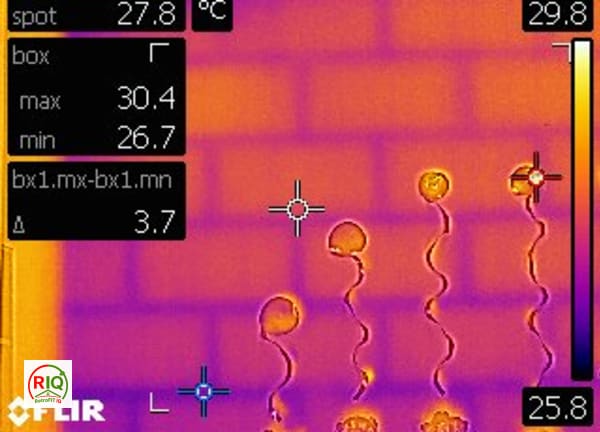
Thermal Bridging Visible Through Masonry Blockwork Wall

Sample Building Performance Investigation Report — Thermal Imaging
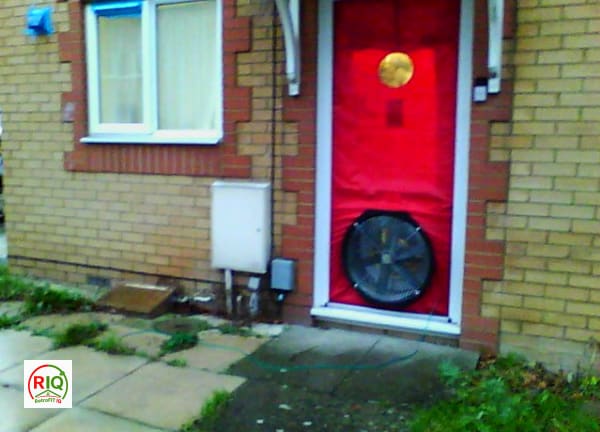
Blower Door Airtightness Test Setup

Thermal Bridge at Internal Corner Wall Junction

Thermal Bridge at Wall-Ceiling Junction Near Window
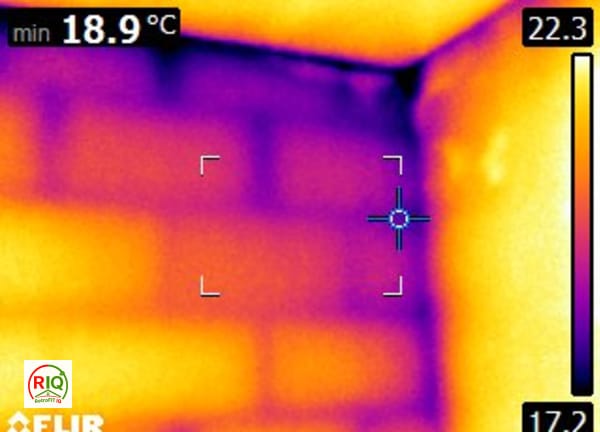
Cold wall surface vs warm ceiling
No related investigations yet.
Browse all investigationsFrequently asked questions
How do I keep my house cool without air conditioning?+
Keep heat out by day and purge it by night: shade the sunniest windows externally, insulate the roof, close up during the hottest part of the day, and ventilate hard once the outside air cools in the evening. Done in order, this keeps most UK homes comfortable without cooling.
What is the single most effective thing I can do?+
Shade the windows that gain the most sun, on the outside. Direct solar gain through glazing is usually the largest heat input, and external shading stops it before it enters — far more effective than internal blinds.
Why are internal blinds not enough?+
Because they only intercept the sun after it has passed through the glass, so most of that heat still ends up in the room. External shades reflect and re-radiate the sun outside, stopping the gain before it gets in.
Does insulation help keep a house cool in summer?+
Yes — especially roof insulation. The roof receives the most intense sun, so insulating it slows heat entering in summer just as it slows heat escaping in winter, reducing how hot the upper rooms get.
What is night-purge ventilation?+
Opening windows wide once the outdoor air drops below the indoor temperature, ideally on opposite sides and at different heights, so cross- and stack-ventilation flush out the day's accumulated heat and cool the building ready for the next day.
When do I actually need air conditioning?+
Rarely, for most UK homes. Only where shading, fabric improvements and night ventilation have been exhausted and overheating is still severe does mechanical cooling become justified — and even then it works best alongside reduced gains.
How do you decide what will cool my home?+
We log the temperatures, identify the dominant gains — solar, roof or internal — and assess the night-ventilation potential, then specify shading, insulation and night-purge measures in the order that keeps the home comfortable passively.
Stop guessing — find the real cause
Do not spend money fixing symptoms before you understand the cause. Every home behaves differently, and the only reliable way to know what is happening in yours is professional building performance diagnostics. At RetrofitIQ we verify buildings using the right combination of investigations:
- Thermal imaging
- Blower door testing
- Moisture & dew point readings
- Ventilation review
- Building physics assessment
- Passive House methodology