
Why is my chimney breast damp?
A damp chimney breast usually comes from one of three causes specific to chimneys: rain getting in at the top of the stack and tracking down, hygroscopic salts in the brickwork left by decades of combustion that draw moisture from the air, or condensation inside a flue that has been blocked up without ventilation. Often more than one is at work. Because the chimney is a tall, exposed, salt-laden structure passing through the house, it behaves differently from an ordinary wall, so its damp needs diagnosing accordingly.
 Reviewed by George Sora, Certified Passive House DesignerUpdated June 2026
Quick answer & key takeaways
8 min read- Damp chimney breasts usually stem from rain ingress, combustion salts, or flue condensation.
- Rain enters at the stack — defective flaunching, flashing or pointing — and tracks down.
- Hygroscopic salts from years of burning draw moisture from the air into the plaster.
- A blocked-up flue with no ventilation condenses internally and stains the breast.
- Biggest misconception: it must be rising damp. Chimneys have their own distinct causes.
- Retrofit IQ's approach: identify which chimney mechanism is at work, then fix it at source.
What this usually means
A chimney is a uniquely exposed, moisture-prone structure. It projects above the roof into the full force of the weather, it has run hot and wet with combustion gases for decades, and it passes vertically through the whole house. Each of these gives it damp problems an ordinary wall does not have, so a damp chimney breast — typically showing as brown or yellowish staining, blistering plaster, or a tide mark on the breast — is usually one of a few chimney-specific causes rather than the rising damp it is often mistaken for.
The first is rain penetration at the top. The crown (flaunching), flashings where the stack meets the roof, and the pointing are all exposed and prone to failure; once they let water in, it runs down the flue and the masonry and emerges as damp on the breast, often well below where it entered. The second is hygroscopic salts: years of burning deposit chlorides and nitrates in the chimney brickwork, and these salts are hygroscopic — they absorb moisture from humid air — so the plaster stays damp and stained even when no liquid water is present, and ordinary re-plastering simply bleeds through again.
The third is condensation in a disused flue. When a chimney is capped or blocked up — for example after removing a fire — without ventilating both ends, the flue becomes a cold, sealed shaft in which moist air condenses and any residual salts go to work, dampening the breast from within. Because these causes need different remedies — repairing the stack, using a salt-resistant replastering system or a ventilated dry lining, or properly ventilating the capped flue — and because more than one often coincides, identifying which mechanism is acting is essential before any redecoration, which otherwise fails within months.
Common causes
Rain ingress at the stack
Defective flaunching, flashings or pointing let rain into the flue and masonry, tracking down to the breast.
Hygroscopic combustion salts
Salts deposited by years of burning absorb moisture from the air, keeping the plaster damp and stained.
Condensation in a blocked flue
A capped or blocked-up flue with no ventilation condenses internally and dampens the breast.
Failed or missing flue lining
An unlined or degraded flue lets moisture and salts migrate into the surrounding masonry.
Multiple causes combined
Rain, salts and condensation frequently act together on the same chimney.
Signs and symptoms
Brown or yellow staining on the breast
Tar-like brown or yellow stains are characteristic of combustion salts and flue moisture.
Blistering or perished plaster
Plaster blowing off the chimney breast indicates salts or persistent moisture in the masonry.
Damp high up near the ceiling
Damp appearing high on the breast points to rain entering at the stack rather than rising from below.
Damp worse in humid weather
Hygroscopic salt damp fluctuates with air humidity rather than with rainfall.
Musty smell from a blocked-up fireplace
A musty odour at a capped flue suggests condensation in an unventilated chimney.
What most people check first
- Whether the stack — flaunching, flashings, pointing — is letting rain in.
- Whether the staining is the brown/yellow of combustion salts.
- Whether a disused flue has been blocked up without ventilation.
- Whether the damp fluctuates with humidity (salts) or rainfall (ingress).
What most people miss
- That chimneys have their own damp causes distinct from rising damp.
- That hygroscopic salts keep plaster damp with no liquid water present.
- That a blocked-up flue needs ventilating at both ends to stay dry.
- That ordinary replastering fails unless the salts and source are addressed.
The building physics
Combustion over many years deposits soluble hygroscopic salts — chiefly chlorides and nitrates — within the chimney masonry. These salts lower the equilibrium humidity at which the material holds water, so they continuously absorb moisture from indoor air and remain damp across a wide range of conditions, producing staining and perished plaster that fluctuate with air humidity rather than rainfall. Crucially, conventional gypsum plaster wicks and is attacked by these salts, so replastering over a salt-contaminated breast re-dampens and fails unless a salt-resistant render system or a ventilated, isolated dry lining is used.
Rain penetration follows the chimney's exposure. The stack stands proud of the roof and relies on its crown, flashings and pointing to shed water; once these fail, water enters the flue and masonry and travels down by gravity and capillarity, emerging on the breast often a storey below the defect. This moisture both stains directly and mobilises the salts, compounding the problem. Diagnosis therefore correlates the damp with rainfall and inspects the stack, because curing it means repairing the source at roof level, not treating the internal face.
A disused flue introduces a condensation risk. A chimney is a tall shaft connecting warm interior to cold exterior; if it is capped or sealed at the fireplace without ventilation, moist air within cannot escape and condenses on the cold flue surfaces, while salts amplify the dampness. The remedy is the long-established rule of ventilating a redundant flue at both ends — an airbrick at the bottom and a ventilated cap or cowl at the top — so a gentle through-draught keeps it dry. Because rain, salts and condensation often coincide, an assessment that correlates the damp pattern with humidity and rainfall, inspects the stack, and tests for salts is what identifies the actual mechanism(s) and the correct combination of stack repair, salt-resistant lining and flue ventilation.
How to fix a damp chimney breast
Identify which chimney mechanism is at work — rain, salts or flue condensation — then repair the stack, use a salt-resistant lining, and ventilate any disused flue at both ends.
- 01
Diagnose the cause
Establish whether it is rain ingress, hygroscopic salts, flue condensation, or a combination.
- 02
Repair the stack
Renew failed flaunching, flashings and pointing so rain can no longer enter at the top.
- 03
Ventilate a disused flue
Fit an airbrick at the bottom and a ventilated cap at the top so a capped flue stays dry.
- 04
Treat the salts
Use a salt-resistant render system or a ventilated dry lining so the breast can be redecorated lastingly.
- 05
Line the flue if needed
Provide or repair a flue liner where moisture and salts are migrating from an unlined flue.
- 06
Allow drying and verify
Let the breast dry once the source is fixed, then confirm the staining does not return.
How to prevent it coming back
- Maintain the stack flaunching, flashings and pointing.
- Ventilate any redundant flue at both top and bottom.
- Use salt-resistant systems when replastering a chimney breast.
- Diagnose the mechanism before redecorating to avoid repeat failure.
How Retrofit IQ investigates this
We identify which chimney mechanism is causing the damp and address it at source before any redecoration.
Do not spend money fixing symptoms before you understand the cause — investigate first, then build with confidence.
Do I need a professional investigation?
A damp chimney breast is worth investigating because it has chimney-specific causes — rain at the stack, combustion salts, or flue condensation — that ordinary damp assumptions miss. Identifying which mechanism is acting, often more than one, ensures the stack, salts and flue ventilation are addressed so redecoration lasts.
Where to go next
Relevant services
Related comparisons
From the Academy
Related case studies
Related problems you may also have
Evidence from Real Projects (10)
Real project and investigation images from our own fieldwork, matched to this page — not stock photography.
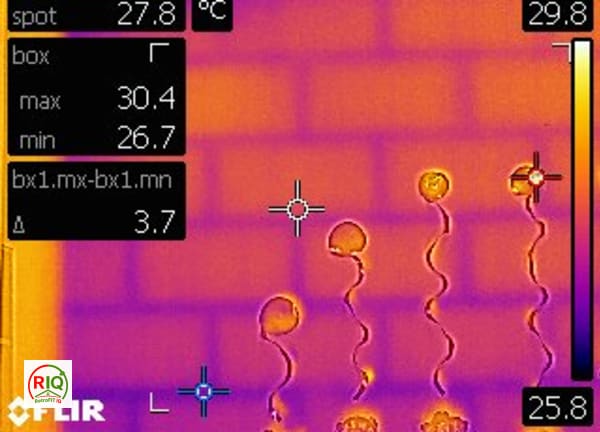
Thermal Bridging Visible Through Masonry Blockwork Wall

Sample Building Performance Investigation Report — Thermal Imaging

Thermal Bridge at Wall-Ceiling Junction Near Window

Thermal Bridge at Internal Corner Wall Junction

Airtightness Testing in a Stratford Victorian Terrace
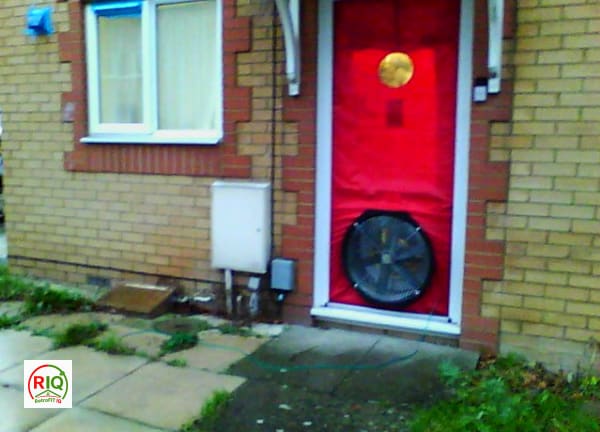
Blower Door Airtightness Test Setup
No related investigations yet.
Browse all investigationsFrequently asked questions
Why is my chimney breast damp?+
Usually one of three chimney-specific causes: rain getting in at the top of the stack and tracking down, hygroscopic salts from years of burning that draw moisture from the air, or condensation inside a disused flue blocked up without ventilation. Often more than one is at work.
Is a damp chimney breast rising damp?+
Rarely. Chimneys have their own causes — rain ingress at the stack, combustion salts and flue condensation — that produce damp and staining commonly mistaken for rising damp. The mechanism should be diagnosed rather than assumed.
What are hygroscopic salts and why do they matter?+
They are salts left in the masonry by decades of burning; being hygroscopic, they absorb moisture from the air, so the plaster stays damp and stained even with no liquid water. Ordinary replastering bleeds through unless a salt-resistant system is used.
Why is my blocked-up fireplace damp and musty?+
Because a flue capped or sealed without ventilation becomes a cold, closed shaft in which moist air condenses, dampening the breast. A redundant flue should be ventilated at both ends — an airbrick low down and a ventilated cap on top.
Why does replastering my chimney breast keep failing?+
Because the salts and the moisture source were not addressed. Hygroscopic salts re-dampen new plaster, and any continuing rain ingress or flue condensation bleeds through. The source and salts must be dealt with before a salt-resistant replaster.
How do I tell rain ingress from salt damp?+
Rain-related damp tends to follow rainfall and may appear high on the breast near the stack; hygroscopic salt damp fluctuates with air humidity rather than rain. Salt analysis and correlating the damp with weather confirm which it is.
How do you fix a damp chimney breast?+
We diagnose whether it is rain, salts or flue condensation, repair the stack, ventilate any disused flue at both ends, use a salt-resistant lining where needed, and confirm the breast dries and stays dry before redecoration.
Stop guessing — find the real cause
Do not spend money fixing symptoms before you understand the cause. Every home behaves differently, and the only reliable way to know what is happening in yours is professional building performance diagnostics. At RetrofitIQ we verify buildings using the right combination of investigations:
- Thermal imaging
- Blower door testing
- Moisture & dew point readings
- Ventilation review
- Building physics assessment
- Passive House methodology